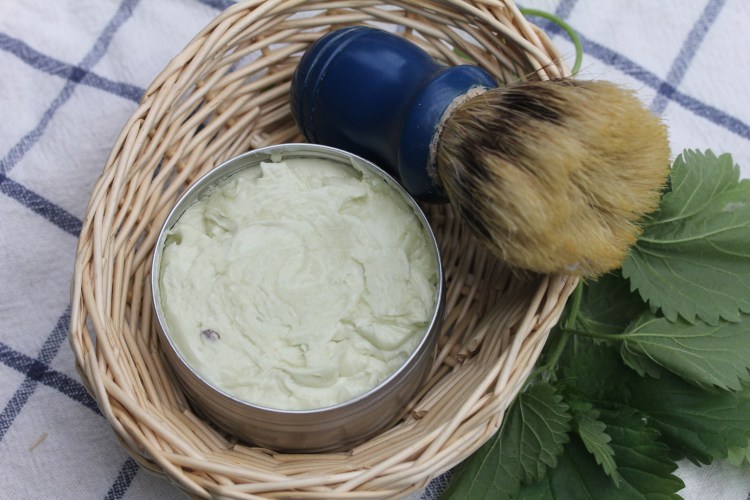
This whip is not waxy like a salve. It is also not meant to be used as a styling (shaping and holding ) product. Rather it is meant to be used to improve the health and condition of your beard.
What does a beard whip do? It nourishes, supports growth, hydrates, thickens, moistens, softens, prevents/relieves beard itch, removes tangles, reduces dandruff, repairs damage, adds volume and protects.
When to use the beard butter? Apply it after your hot shower. This is when the skin is most receptive to being moisturized. It can also be applied it after washing your face.
How much to use? Start with a dime sized amount. A little will go a long way. You can always add a bit more or rub any extra into other parts of your skin. Adjust the amount needed depending on the size of your beard.
Caution-Less is more as they say. Using too much beard butter or applying it too often may cause irritation. If you notice red spots, infected follicles, or acne-take a break until the skin heals. If you observe that the beard feels greasy, clumpy or damp after use-reduce the amount or frequency to find your perfect balance.
Steps towards a better beard
1)Wash your beard using only warm water.
2)Use a hair dryer on cool setting to gently dry your beard.
3)Use your fingers to comb out any tangles.
4)Rub dry hands together to get them warm. Scoop out some beard butter, about the size of your thumb nail. Apply it to the beard and the skin of your face underneath. Lightly massage both the beard and skin.
5)Use a beard brush to distribute evenly. Use fingers to fluff and add volume if desired.
Beard Whip Recipe
1 cup of “beard oil” (infused organic olive oil of nettle , rosemary, yarrow, and calendula)
8 oz of shea butter (solid)
1/4 cup of Apricot oil
1/4 cup of Almond oil
2 TBSP of castor oil
2 TBSP of jojoba oil
1/4 tsp of vitamin E oil
1/4 tsp of argan oil
A few drops of essential oils as desired (rosemary, clove, cedar, sandalwood, orange, bay)
Melt your shea butter in a double boiler. Add in all the other ingredients but the essential oils. Stir well. Remove from heat and let cool for 5 minutes. Stir in the essential oils. Place your pan in the freezer for 10 minutes. Remove. Scoop out contents and place into a food processor. Whip in batches. You want a light fluffy consistency. When you are happy with the result place into tins or jars. Store in a dark, very cool place.
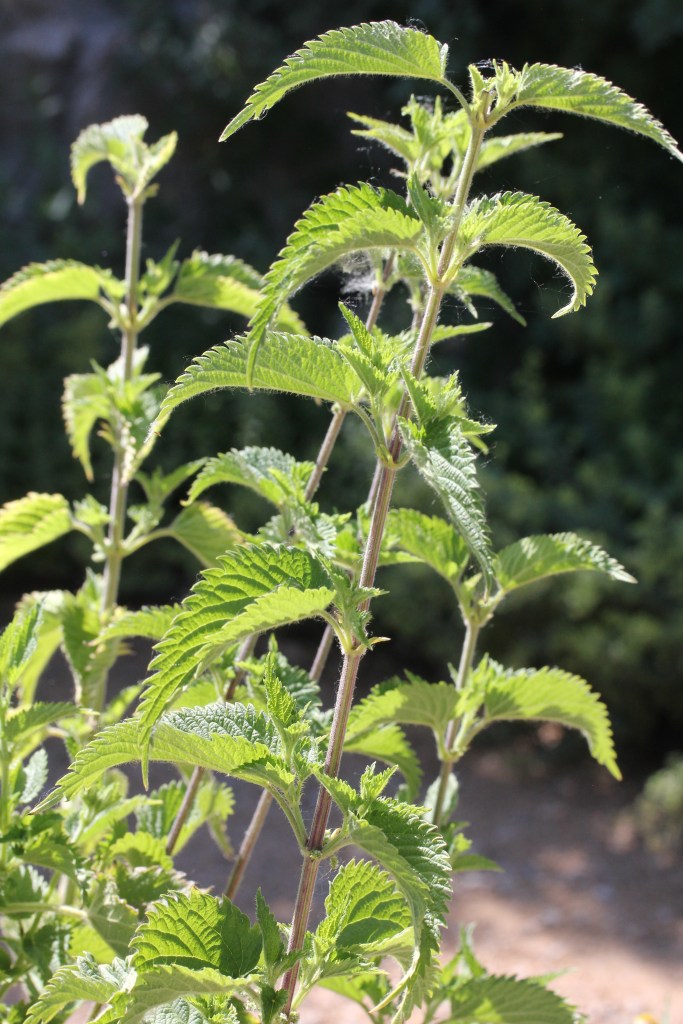
Nettle is hardy perennial in the Urticaceae family that grows 2-7ft high. It has dark green hairy/downy (underneath) stinging leaves that are lance shaped with serrated margins. Arranged alternately on stinging square stems. The yellow roots are tough and tangled. The flowers are very tiny, light green, and on auxiliary clusters. It can be found growing in large abundant patches in the woods, along rivers, roadsides, in fields and cultivated in gardens. It prefers likes sun and nitrogen/organic matter rich soil. It does not like dry conditions. Male and female reproductive parts occur on separate plants.
Nettle has a nasty sting but it is strong and very useful medicinal plants. The young tops are high in vitamins, chlorophyll, and minerals making them a nutritious spring green that can be used in soup, stews, stir fry, pesto, and baked goods. It is one of the few foods that has vitamin C with iron for perfect absorption. This herb counteracts inflammation, supports the body to produce antihistamine, and binds immunoglobulin G-making it helpful for all kinds of allergies (food and seasonal). Supports the secretion of uric acid. It builds and cleanses “blood” for females of all ages and increase circulation. Historically it is has been used to treat anemia, internal bleeding, arthritis, rheumatism, gout, asthma, enlarged prostate, urinary problems, kidney stones/issues, poor milk supply, menstrual problems, heavy periods, colds, bronchitis, sinus infections, high blood sugar/diabetes, cardiac disease, high blood pressure, fluid retention, fever, blood clots, acne, yeast infections, hives, tendonitis, sciatica, poor circulation, sore muscles, night sweats, low blood sugar, neurological problems/infection, hypothyroidism and headaches. Nettles assist the body to clear poison and venom.
Humans have also used nettles for rope, cheese making, textiles, paper, dye, insect repellant and compost.
Parts used: aerial tops, leaves, stems, rhizomes and roots.
Energetics: cool, bitter, dry, salty.
Element: fire
Emotional/Spiritual Uses: releasing an anger that “stings” , establishing boundaries.
Contraindications: Eating late season plants uncooked/raw may damage the kidneys (due to high levels of nitrates) and irritate the digestive tract. The “hairs” on the fresh plants will inject an irritating substance under the skin that can cause pain and rashes. Handle with care. Most people consume this plant only by drying or cooking it. In sensitive/deficient individuals it may irritate the kidneys with prolonged use. Otherwise it is very safe for everyone.
 Blackbird's Backyard Pharmacy