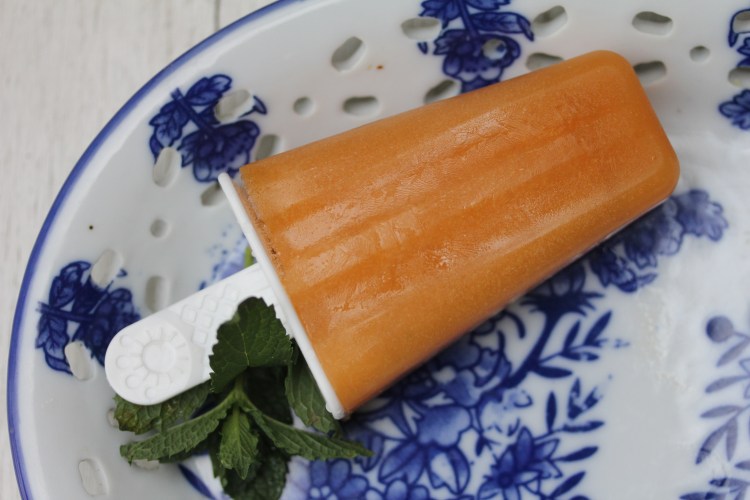
Matcha, Mint, and Cantaloupe Popsicles

Even though we have a month until the fall equinox, it feels like summer flew by and has already ended. My kids start school tomorrow. I have to remind myself that there are still many weeks left of harvesting, weeding, flowers, outdoor dinners, and lovely weather. For those hot days still to come this is a refreshing, cooling, and tasty treat.

Cantaloupe, Mint and Matcha Popsicles

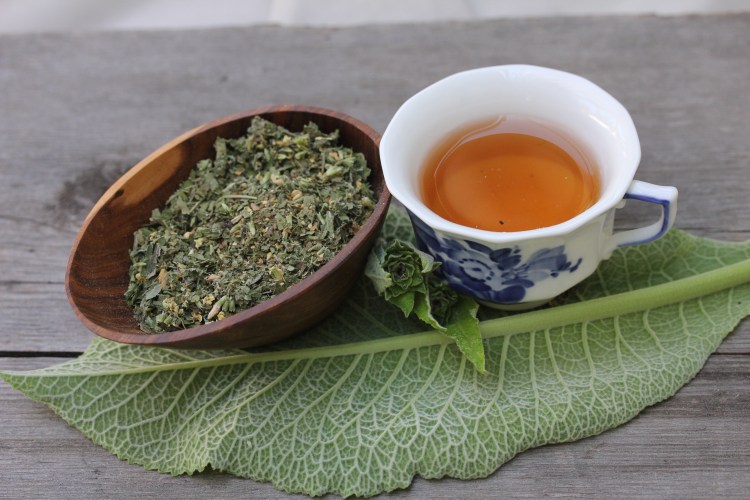
1 cup of matcha and fresh mint tea

4 TBSP of honey

1/2 medium cantaloupe

Make the one cup of strong tea and let it cool to room temperature. In a blender or processor, add all of your ingredients and blend until smooth. Pour into popsicle molds and freeze until set.

Mentha is in the mint/Lamiaceae family and includes both peppermint (Mentha piperita) and spearmint( Mentha spicata). Peppermint is a hybrid perennial plant that is most often found cultivated in gardens. This herb is highly aromatic( menthol). It has erect, square, branching, purple stems. It’s opposite leaves are opposite, oval/lance shaped and often serrated. The sepals and petals are united to form tiny purple flower that have 5 two lipped lobes (2 up, 3 down). These are arranged at the ends of axillary and terminal spikes. Spearmint lacks the purple hues in it’s foliage and is a more vibrant green. The leaves are often greater in number, larger and more serrated and “wrinkled”. They are sessile and have a very short petiole where they join the stem. This plant is usually taller than peppermint. The flowers are more numerous/dense on a larger , interrupted spike. Mints can be invasive and spread quickly through their rhizomes. They will tolerate any kind of soil and thrive in both sun and shade. Grow mints near your vegetables to keep them free of insects and other pests. These plants are a favorite of native bees.

Mints are known for their ability to clean damp/phlegm, increase circulation to the tissues and relax blood vessels. Their volatile oils warm the body, open the pores, and encourage sweating. Historically they been used to treat cramps, spasms, colds, coughs, flu, fever, sinus infections, sore throat, headaches, high blood pressure, menstrual problems, painful urination, nausea/vomiting, heartburn, stomach ache/colic, gas, digestive issues, liver stagnation, ulcers, parasites, bad breath, gum disease, nervous disorders and fainting. Externally mint has been used to treat pain, inflammation, rheumatism, bruises, rashes, hives, bug bites, and skin issues. A steam inhalation may help with asthma, bronchitis, chest congestion and laryngitis. Mints improve the flavor of other teas, are used in many culinary traditions, and can be burned as incense. Spearmint tends to have a sweeter, less spicy/hot/medicinal flavor than peppermint.

Parts used:aerial above ground parts

Energetics: sweet, pungent, cool, warm, dry

Element: fire and water depending on variety

Emotional and Spiritual Uses:Prosperity. protection. Brings movement, openness, and warmth to life. Allows the mind to think quickly and clearly so that we can envision and future and manifest our dreams.

Contraindications: Avoid large doses in pregnancy and nursing. Long term therapeutic use can stress the heart.
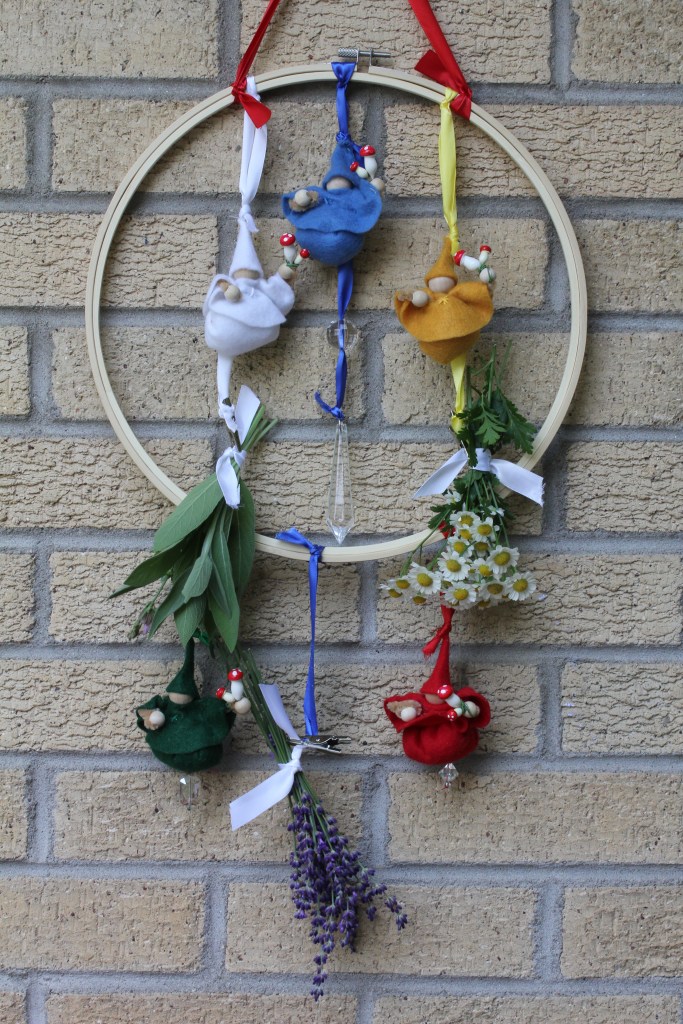
Healing Mobile (lavender)

This is one of those ideas I wish I had come up with when my kids were little. A simple healing mobile combines the healing energy of the five elements and freshly picked plants. Imagine waking up from a nap to this sweet surprise hanging on your bedroom wall while recovering from some childhood illness. Possible herb bundle choices are-lavender, lemon balm, chamomile, sage, rosemary, juniper, mint, hyssop, echinacea, catnip, clary sage, feverfew, and thyme. Chose herbs for their beauty, smell, energetics, or therapeutic qualities. This is also a fun project to make with your children as well. They can also help to pick the herbs as you describe their medicinal properties. It is never too early to plant those “seeds” and create memorable educational moments with your child.

To make the gnomes

1)Bend a white pipe cleaner in half. Slide a medium size wooded bead onto the end and glue in place.

2)Slide two small wooden beads onto a section of tan pipe cleaner. Slip this between the two halves of the white pipe cleaner, just beneath the bead, and twist to hold in place. Fold and twist the ends of the tan pipe cleaner to keep the beads in place. I added some tiny mushrooms to the “hands” by threading the wire through the beads and twisting. You could add other objects as well with a bit of glue etc.

3)Use a paper template, pins and fabric scissors to create the following shapes from piece of felt-large circle, small circle , “cone”/semi circle

4) Make your “cone” for the hat and sew the ends together with a blanket or running stitch. Glue to the top of the head.

5)Cut a small slit in the middle of the small felt circle and slide it over the “head” bead. Fold in half and add a small stitch or two to create the sleeves on the tunic. I sewed a small star/flower on the tunic with embroidery thread before folding.

6)Make a pouch with the large circle. Place some dried lavender flowers and stuffing into the center of the pouch. Fold/bring the edges of the pouch together to create a “ball”. Slip the end of the white pipe cleaner in, pleat, and stitch closed. Add a bit of glue if needed to keep the pipe cleaner from slipping out. You can also just sew it in place too.

Repeat steps to create as many gnomes as you want. Sew the tips of their hats onto colored ribbon for hanging.

Once you are finished with the gnomes. You can tie them onto an embroidery hoop along with pretty ribbons, fresh herb bundles, crystals, shells, beads, messages on paper etc. Anything lovely, natural, symbolic or meaningful will work. Traditional healing modalities worldwide have always utilized all of the senses which can be used for inspiration to make this mobile special.

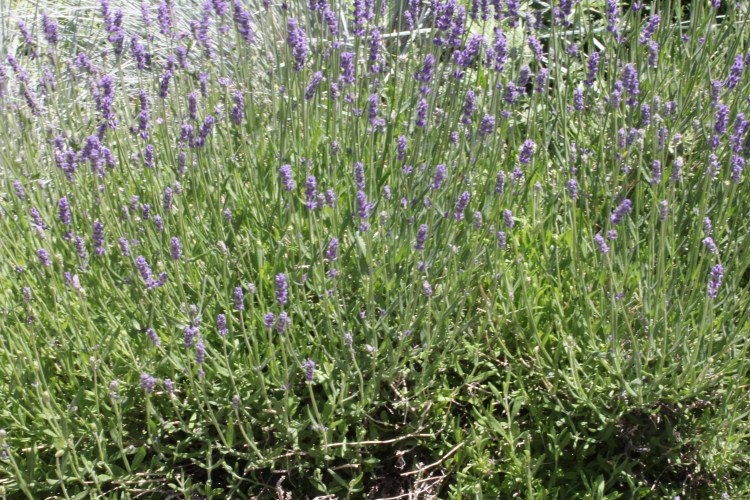
Latin name: Lavandula (there are lots of species). Family: Laminacea (mint family). Lavender is an evergreen perennial shrub that can grow 1-4 ft high. Typically it appears as a smaller singular plant but in the right conditions it will spread and expand to fill a larger space. The entire herb is covered in a grayish down. At this time of year the plant shoots up a flowers in the form of a terminal spikes. The highly scented purple flowers form a group on the tip of their personal stalk. The narrow leaves are sparsely arranged oppositely on the square stem, often clustered at the base of the plant when not in bloom. Lavender can be very easy to grow in many climates especially when given well drained, poor, sandy soil and full sun. Lavender is not native to the United States. It is very popular with bees and butterflies. The smell is the best way to remember this herb. Rub any part of it between your hands and smell your palms.

Lavender’s pure essential oil is a great remedy for burns, cuts, tight muscles, rheumatism, edema, eczema, hair loss, acne, fungal infections, earache, cold sores, and insect bites/stings. This plant contains numerous volatile oils, many of which are powerful anti-microbials. It was used in WW 2 for wounds and parasites. It was burned for bubonic plague to prevent the spread of the disease. Steam inhalations, baths, and infusions have been used to treat chest infections, asthma, dizziness, insomnia, digestive issues, colic, fever, colds, flu, strep, yeast, vaginal infections, bad breath, muscle spasms, headaches, fear, earaches, eczema, acne, burns, cold sores, edema, rheumatism, hair lossatigue, stress and anxiety. Lavender has a history of being present at birth and death because of its calming nature. The flowers are edible and can be used in baked goods, and other sweets. You will find this herb in many gifts and beauty products. 

Energetics:bitter, pungent, sweet, cooling, dry

Element:air

Parts used:flowers. Leaves and stalks can be used for incense

 Contraindications: During pregnancyDo not use the essential oil internally. Do your research on using the pure EO on a frequent basis externally (including in creams and shampoos).

Basil and Peach Salad

My husband loves to buy boxes of Palisade peaches this time of year. The over ripe ones are cheaper but they have to be used up quickly. I have been making this salad during the summers for more than a decade. It still remains a favorite of mine. It is the perfect way to use up a lot of fruit. This recipe is the perfect balance of sweet, sour/tart, acid, “spice”and pungency/heat.

Basil and Peach Salad

10 just barely ripe peaches coarsely chopped

4 large heirloom tomatoes coarsely chopped ( I used an orange variety but any color will do)

Set these aside in a large bowl

1 cup of olive oil

1/4 cup of seasoned rice wine vinegar

1 TBSP of sugar (optional)

Mix the ingredients for the dressing well. I would add a 1/4 cup of dressing to the salad and then add more as needed. Leftover dressing can be stored for later use. This salad is better served fresh and not allowed to sit. The fruit will start to break down due to the acids.

Garnish individual servings with slivers of chopped fresh basil and whole nasturtium flowers. Serve immediately

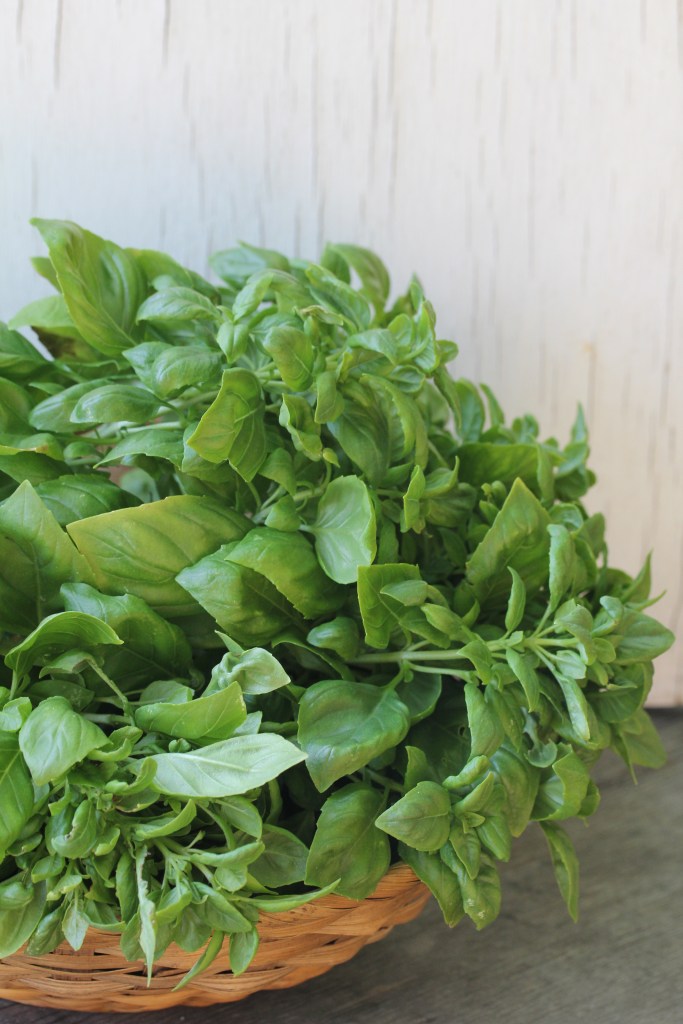
Basil is in the mint family. Typically it is an annual but will overwinter indoors. It is a very common garden herb used as a companion plant and insect repellant. A thin branching root produces several lush square stems growing 1-2 feet high. The leaves can vary from bright to dark green depending on the variety. Some types like Thai basil have purple in their oppositely arranged leaves. Leaves can be oval to spade shaped, toothed or smooth in their margins. Like others in the family, it has lots of small two lipped flowers that grow on racemes/spikes of 2-4 inches. These are a favorite of bumble bees and come in shades of white, red or purple. A distinguishing feature of Ocimum is the smell, similar in all varieties but with slightly different “notes”.

This plant warms, calms, and clears phlegm/damp. Historically basil has been used to treat all manner of digestive complaints such as cramps, vomiting, constipation, gas, low appetite, diarrhea, bacterial infections and inflammation. It stimulates the flow of breast milk, cures a headache, and calms a bad cough. Ocimum has been used for depression, the flu, fever, asthma, retained placenta, fever, anxiety, bronchitis, and fatigue. It works well to support the lungs.

Externally it has helped with acne, bug bites, fungal infections, sore muscles, and arthritis. The essential oils/scent make it useful in aromatherapy, ritual bathing/cleansing, beauty products and as incense.

Parts Used: Leaves and flowers

Energetics:bitter, warm, dry, pungent

Element:Fire

Spiritual/Emotional Uses: Integration, especially when two things seem contrary in nature. May be used to bring luck protection, or blessings to body, home or new relationships. Use it when there is conflict or negative energies in a situation. It is commonly used in ritual baths , especially for the dead.

Contraindications: Avoid large/therapeutic doses in pregnancy

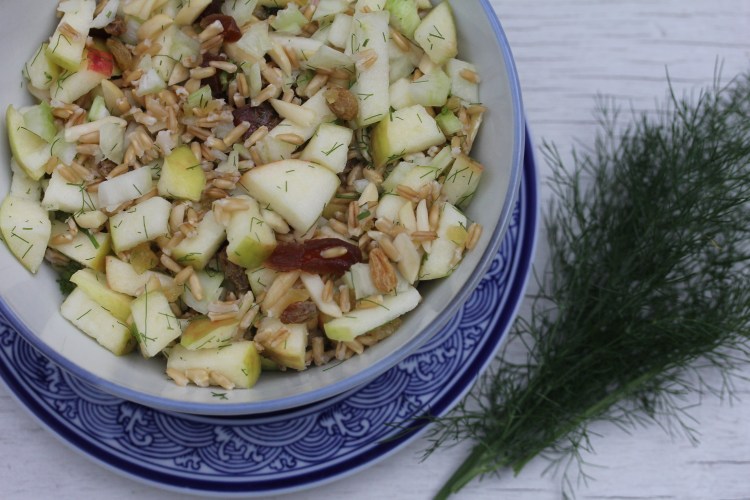
Fennel and Apple Salad

This salad is so versatile. Perfect for a summer picnic or potluck as it transports well. Add a bit of yogurt and you have a yummy breakfast or side dish for brunch. I love that it uses both the bulb/stalk and the leaves. I have a bumper crop fennel this year. It is finally established enough to be a perennial that overwinters and becomes one of the biggest herbs in the garden. Fennel is an under appreciated plant. Even the seeds and pollen are eaten. The bulb can be used raw like celery or cooked like a root vegetable. Roasted, grilled, or charred-So many ways to explore when preparing it to influence its taste and texture. The added benefit of it supporting digestion and easing any stomach complaints. I use it a lot in preparations for children or for when aging has diminished metabolic fire.

Fennel and Apple Salad

1 large apple coarsely chopped

1/2 cup of coarsely chopped celery

1/2 cup of coarsely chopped fennel bulb

1/4 cup of golden Raisin

1/4 cup of chopped dried apricot

1-2 TBSP of finely chopped crystalized ginger root.

1 TBSP of finely chopped fennel leaves

1-2 TBSP of lemon juice

1/2 cup of slivered almonds

1/8 tsp almond extract

1 cup of cooked oat groats-chewy

Combine all ingredients in a large bowl and stir well.

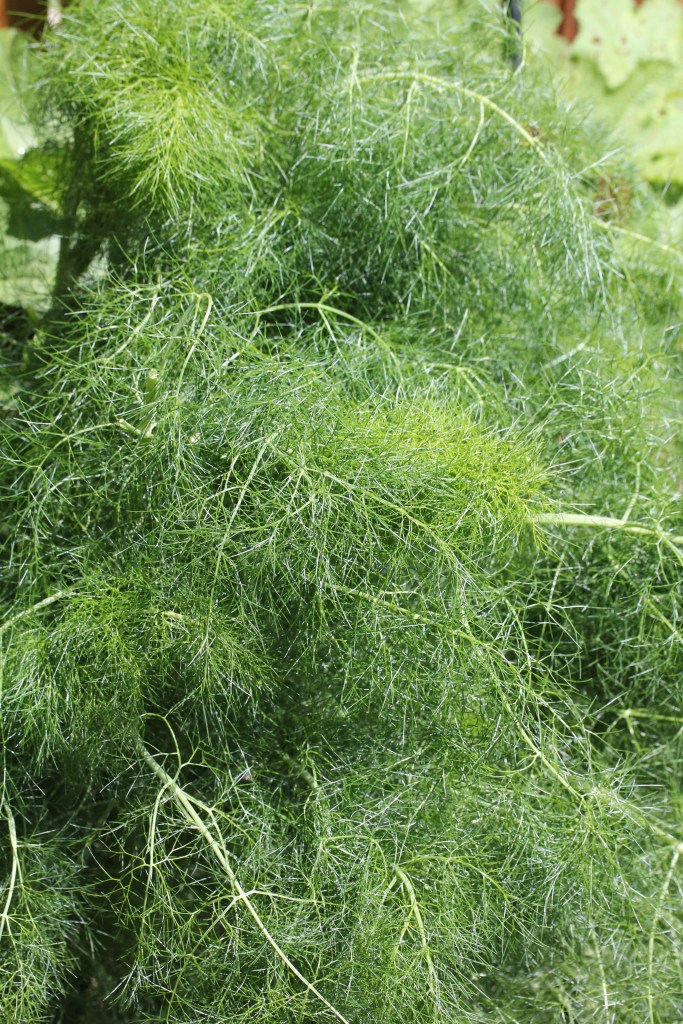
Foeniculum is a member of the parsley/carrot family that is often found in colonies. It is important to identify this herb accurately, even if growing in an urban yard or garden. Warmer climates produce a perennial almost 5 feet tall. A carrot shaped root is below the ground. When very mature the stem can form a large white “bulb” (like celery) at its base. There are 2-5 hollow, pithy, finely grooved bright/jade green stalks with bluish stripes. Some plants appear to have a waxy/white “bloom”. The leaves grow from the center/basal (immature) or branch off upper stalks as wide alternate sheaths (mature) that wrap around the outside. Leaf shape is pinnate, very compound, and constructed of numerous threadlike filiform segments (like some ferns or asparagus). Compound umbels produce yellow flowers in late summer or early fall. When cut, torn, or rubbed the plant parts produce a strong licorice scent. Fennel seeds are light green (becoming a bit yellow as they dry/mature) oblong, dense and a good size.

Caution: Poison hemlock and fennel are easy to confuse. Hemlock will have purple blotches/spots on the stalks, leaves that lacy/broader/more triangular, white flowers, and an unpleasant scent. Poison hemlock and young dying fennel in the fall can be especially hard to tell apart. When in doubt crush plant material or seeds with the foot and smell without touching the plant.

Foeniculum is well know as a remedy for stomach and intestinal complaints. It has been used to treat abdominal cramps, bloating, indigestion, nausea, constipation, heartburn, bad breath, gas, and colic. It expels mucus, relaxes bronchi and clears congestion in the lungs. It relieves a horse throat, moves stagnation in the liver, and increases the flow of breast milk. This herb may help stabilize blood sugar levels, Chewing dried fennel seeds stimulates the digestive juices, helps digest fats, assists in the assimilation of food and treats bad breath. As an infusion it serves as a diuretic for kidney stones and gout. As a weak tea it can lower fever, reduce teething pain, and stop hiccups in children.

Parts Used: Leaves and seeds

Energetics: sweet, warm, moist

Element: fire

Spiritual and Emotional Uses: To move stagnant energy and bring sweetness and freshness back into life. To restore trust, security and purity to a relationship. To repel negative energies.

Contraindications: Avoid therapeutic doses in pregnancy. Excess consumption can stimulate the nervous system.

Fever Tea (ELECAMPANE)

I make a lot of tinctures and infused oils. They store a long time and don’t require a lot of fresh plant material. I am lazy and often forget the aesthetic and medicinal values of teas, tisanes, decoctions and water infusions. Some chemical constituents are better released by heating/simmering them in water. Many tea formulas are based in herbs that release their volatile oils such as mint, chamomile, or lemon balm. These plants provide all the benefits of aromatherapy as they release their soothing scents. Holding a cup of hot tea in your hands is also a warming and nurturing experience. It is takes more time to make and consume tea, but there are benefits to any experience that is meditative and allows for reflection. One should not underestimate the mind/body connection in the healing process. Adding honey/sweetener to tea high in essential oils may make is more palatable to young children.Teas can also be easily frozen or added to juices. If someone is dehydrated, they can provide much needed fluids. I have a fever tincture but with the recent rounds of “flu” that hit our household over early summer, I felt drawn to create my own special fever tea.

Fevers can be causes by viruses or bacteria. It is a healthy response by your immune system to fight off an illness or infection by temporarily raising your body temperature. Symptoms of a fever can also include headache, vision changes, irritability, sweating, chills, flushed skin and muscle aches. In Chinese medicine it might be diagnosed as a wind-heat invasion. The goal is to reduce the heat with herbs that are cooling (like mint and marshmallow) and to clear/move it with herbs that are stimulating like ginger. Many symptoms of fever will be relieved by just these two actions. It is important not to aggravate or create heat with spicy/hot herbs like cinnamon. Herbs can be added to help a fever “break” like yarrow. Formulas that include antimicrobials or immune boosting properties are also options. Elder is a classic herb included in both fever and flu formulas. Catnip is soothing, allowing the individual to rest and heal quicker.

To make this fever tea, you need equal parts dried:

Elecampane Root

Red Raspberry leaf leaves

Ginger root

Yarrow tops

Elderflowers

Catnip Leaves

Mint Leaves

Marshmallow leaves

Anise Hyssop Leaves

Calendula Flowers

You could start with about 1/4 cup of each herb. Place in a bowl, mixing well and crumbling with your hands. Store in an airtight amber jar. Since this is primarily a tea formula based in herbs that are either high in volatile oil or delicate flowers- I would bring water to boil, turn off the heat, add the herbs, cover with a lid , and allow to steep.

Inula helenium

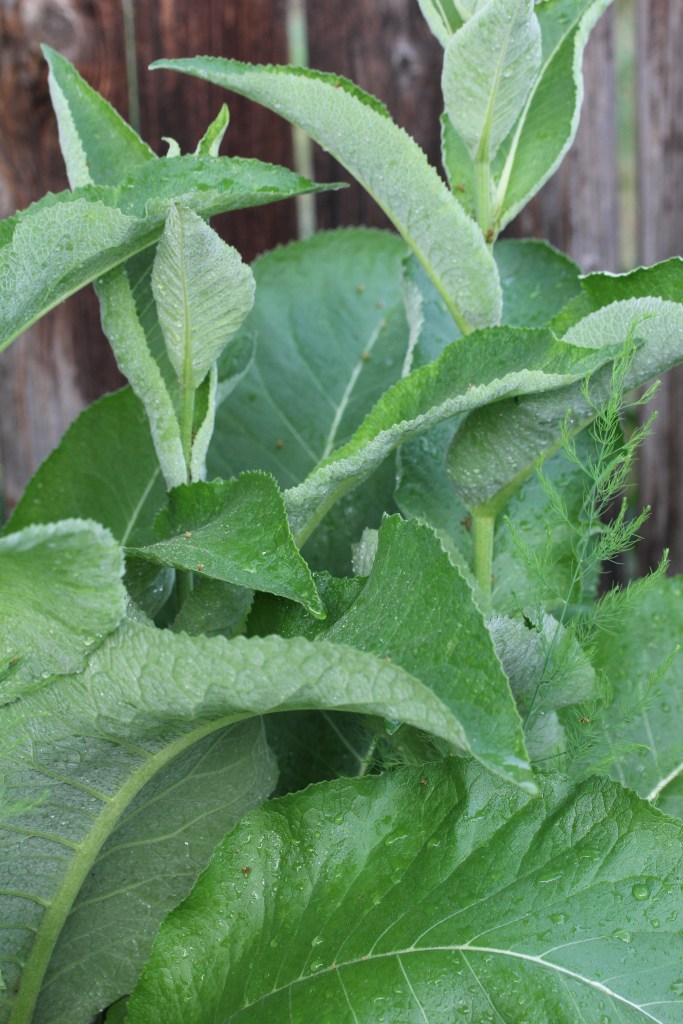
Elecampane is a perennial in the composite/daisy family. It favors cultivated gardens ,meadows, fields, roads and wastelands. Sometimes it is found in the wild. It has a fibrous, beet shaped, root that is brown externally and white internally. This plant can grow 3-6 feet high. The round, thick, stem is rough and wooly to touch. Leaves are very large, spade like and medium green. The underside is paler with distinct vein pattern. True to doctrine of signatures you will be reminded of a the inside of a single human lung. Upper leaves will clasp the stalk, the lower ones grow as stalks from the ground. In spring they form a dense cluster of shoots, dying back come fall. Leaf margins may be wavy or have some serration. Single yellow flowers tend to grow at the end of longs stems. They resemble large dandelions. The seed head is a brown, quadrangular achene. Harvest rootstock in its second year.

Elecampane is well known for its ability to treat chronic mucus by inhibiting its production, loosening or expelling it. This plant works best when it is used long term. It is a warming aromatic that can stimulate digestion and the appetite. It helps to break down food and tone the stomach, reducing symptoms of gas and bloating. It supports healthy liver and lymphatic system function. It moves damp and stagnation. Historically this herb has been used to treat parasites, candida, colds, fever, allergies, laryngitis, congestion, pleurisy, sinus infection, ulcers, digestive problems, cough, diarrhea, bronchitis, asthma, tuberculosis, menstrual problems, urinary or respiratory tract inflammation. Elecampane is well known as being antibacterial and antiseptic.

Externally is can be used as wash for skin problems that are itchy like fungal infections, herpes or scabies. It has been used to treat acne, facial pain, and sciatica. Can be used in salves or dressings to prevent or treat infection

Often used to flavor bitters, liqueurs, cough drops, and confectionaries. The root can be burned as incense.

Parts Used: Western:roots. Eastern will also use the flowers

Energetics:Sweet, acrid, bitter, warm, dry

Element:air

Contraindications:Do not use during pregnancy. Large doses can cause a range of unpleasant side effects.