PEONY Petal Hand Lotion

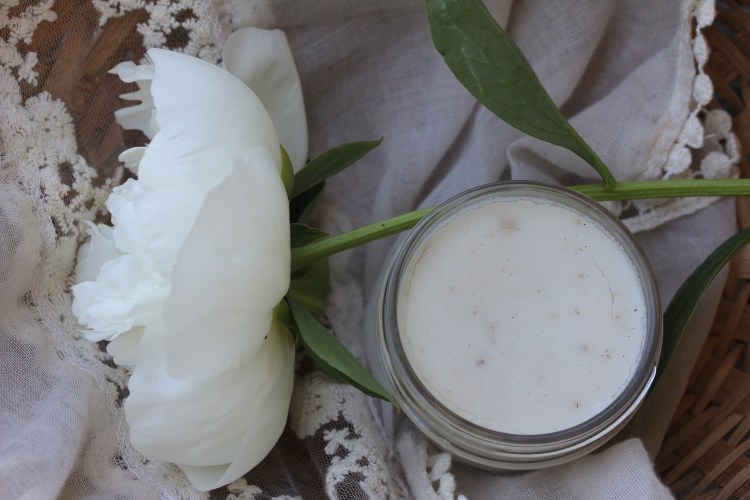
This is a lovely hand lotion to make. The scent is fragile and hard to describe. Peonies are my favorite flower. I love the smell, their delicate flowers, and the fact that ants harvest their nectar. I chose peonies for my wedding bouquet. Their appearance in early June (when snowfall is truly at an end) always lightens my spirit.
Peony Petal Hand Lotion

2 cups of shea butter , One 16OZ container of shea butter

1 cup almond oil

3 TBSP of beeswax beads

2 cups peony petals

10 drops lemon essential oil

1 TBSP of vitamin E oil

In a double boiler melt the first three ingredients. Remove from heat and let cool 5 minutes . Place contents into a food processor and add the petals. blend for 1 minute. Remove and quickly strain. Add in your lemon and Vitamin E oils. Place liquid back into the processor and pulse/whip until you get a thick, opaque, white lotion. Spoon into small jars. Let finish cooling before screwing on the lids. Store in a cool dry place.
Paeonia

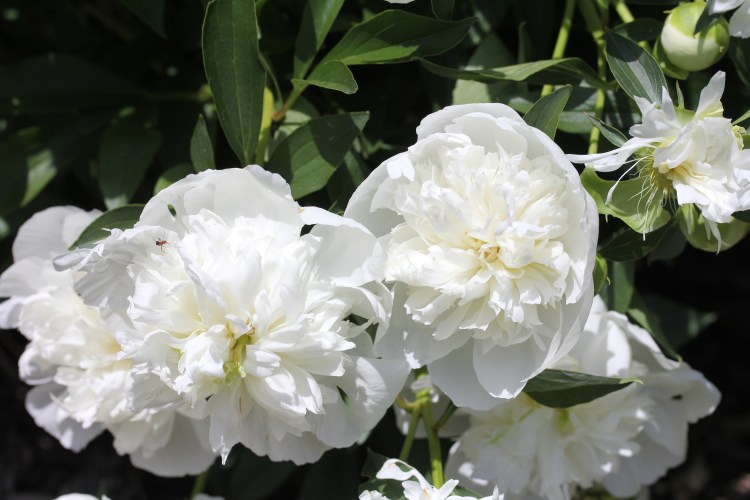
Paeonia is a perennial cultivar in the United States. A thick knobby rootstock sends up several (reddish green) shoots in late spring. These become totally green 2-3 foot high stems as they mature. At the end of which are sets of dark green ternate or bi-ternate leaves with large ovate-lanceolate leaflets. Flowers resemble roses and can have single or multiple rings of petals. When mature the plant resembles a bush. Flowers can be white, red or shades of pink in color. The scent is quite distinctive and perfume like.

I bet you never considered peonies to have healing qualities unless you studied Traditional Chinese Medicine. In TCM it has been used to clear heat, blood stagnation, and improve circulation. It is the root that gets used for seizures, irritability, restlessness, coughs, headache, stomach pain, sleep issues, lupus, rheumatoid arthritis, fever, muscle/menstrual cramps, diabetes, high blood pressure, jaundice, gout, asthma, infertility, anemia, vertigo, yin/kidney deficiency and absent periods. Externally the root has been used for boils, eczema, hemorrhoids, and varicose veins. The petals are great for rashes or aging skin with their anti-bacterial and anti-inflammatory properties. I only have one large plant which I can not bear to dig it up to harvest roots. I feel fine about using the petals when they are about to fall. I hate to waste anything in the garden if it has a use.

Part used: root

Energetics: bitter, sour, cool

Element: Fire

Spiritual and Emotional Uses: To repel negative energies and prevent nightmares.

Contraindications: the entire plant is considered poisonous by some. Use with caution under the supervision of a highly trained TCM practitioner.
GF Dandelion Flower and Apple Cake

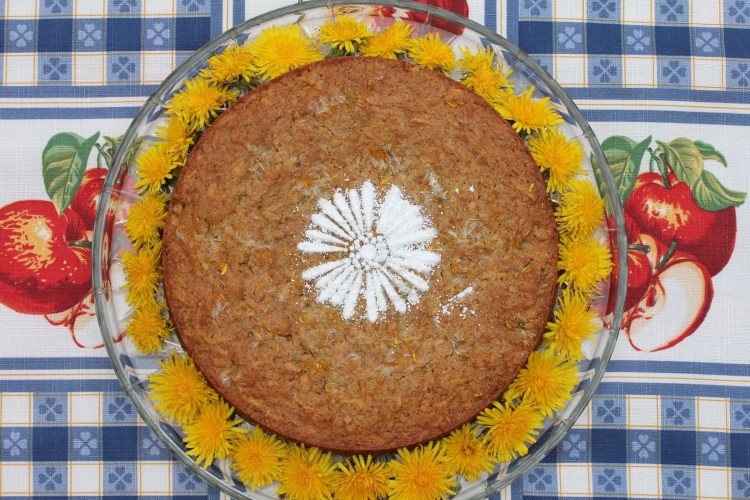
I am posting this recipes a bit early to tempt you. Before you know it lawns will be covered in dandelions beautiful bright yellow blossoms. We think of using the roots or leaves of this plant but there are so many uses for the flowers in things like fritters/tempura, wine, jelly, flan/quiche, cookies, and syrup. This gluten free cake has a lovely taste and nice texture. If you celebrate the spring equinox, Purim or Nauryz this dessert would suit all of those festivals well.

Gluten Free Dandelion Flower and Apple Cake

In a small bowl mix all of your wet ingredients……

1/2 cup of walnut oil

2 eggs

3/4 cup of honey

Stir in……..

1 and 1/2 cup of shredded apple

1/2 tsp of vanilla extract

1/4 cup of milk or substitute

1/2 cup of dandelion flowers green parts removed

In a larger bowl add and mix your dry ingredients……

1/2 cup of rice flour

1/2 cup of almond flour

1tsp each of baking powder, baking soda

1/2 tsp of salt

1/2 cup of sugar

Pinch each of dried-star anise, clove, cardamon, ginger

Add your “wet” bowl to the “dry” bowl and mix until there are no lumps.

Grease, flour and line with parchment paper -a 9 inch springform cake pan. Pour in the cake batter and level. Let sit while you pre-heat your oven to 350.

Bake at 350 one hour or until a toothpick comes out clean when inserted.

Latin Name: Taraxacum officinaleFamily: AsterSubfamily: Cichoriodeae/Chickory

Taraxacum has yellow ray flowers that overlap all the way to the center. There is no round disk in the center like other plants in the aster family. The “petals” are straight and do not taper. It has bracts/modified leaves where the stem joins the flower instead of sepals. It has a hollow, round stem full of a white, latex like, sticky sap.There are related plants that look like dandelion (sap, yellow flowers etc.) BUT Dandelion has a reddish green , non branching stem that is 2-6 inches long (sometimes 18). The leaves do not grow off the stem, instead they grow around the base in a ring. There is one flower per stem .The leaves are very serrated like teeth , they get broader towards the top before ending in a point. Nothing about a dandelion is prickly or hairy. Single seeds look like a tiny parachute but together form a white fluffy ball.Habitat-lawns, parks, fields, waste land. Dandelion likes poor soil. Blooms and makes seeds all year round. One of the first flowering plants to appear in spring.Growing:will grown anywhere. Self seeds. No need to cultivate, it is an invasive but useful weed.Edible parts:Root, leaves, flower heads.Harvesting:Dandelion roots and leaves are most bitter in the spring, this is also when they have most medicinal qualities. Plants growing in the shade may be less bitter. Pick flowers mid morning when they are dry and have reached their biggest size. Wash well, the root may need to be scrubbed with a brush. When picking be aware of contamination from pets and pesticides/herbicides. Watch for bees, it is their favorite source of food right in the early spring.

Historically Dandelion has been used as a diuretic (water retention) and laxative (constipation). As a tonic it cleanses the blood/tissues/organs of wastes/toxins and clears heat. Dandelion is useful for skin disorders (acne, cysts, fibroids, poison ivy, rashes, eczema, abscesses etc.), hay fever, candida, allergies, varicose veins, gout, rheumatism, and weight loss. It cools heat (fever) , stimulates the immune system, and removes infection ( sinusitis, bronchitis, mastitis, hepatitis, herpes, and mono just to name a few) Internally Dandelion is best known for its action (astringent, tonic, stimulant) ) on the digestive system (gas, indigestion, appetite loss, heartburn, ulcers) the bladder ( urinary tract infection) liver (jaundice, cirrhosis) and gallbladder (gallstones) pancreas, spleen, and kidneys (kidney stones). Internally the flowers can be used for pain/anti-inflammatory (arthritis, cramps, headaches, and backache). Externally the flowers can be used for wounds and fungal infections. The sap from the stem is thought to remove warts.

Culinary uses- coffee substitute, wine, beer, syrup, jelly, baked goods, stir fry, juiced, pickles, and salad green just to name a few. Herbal products products-tea/infusion, tincture, oil/salve. The fresh leaves can be added to salads and soups or the dried to condiments to add a mineral source to the diet.

Parts Used: leaves, flowers, root

Energetics: bitter, sweet, cold, moist

Element: Air

Emotional/Spiritual Use-for cleansing, rejuvenation, reflection, stress/tension, fear, or hesitation. Promotes trust, openness, balance, ease and relaxation in those who overdue it or have perfectionist tendencies.

Contraindications: safe during pregnancy and nursing in small amounts. Because it is in the aster family, it may cause allergic reaction in people sensitive to those kinds of plants. The sap may cause contact dermatitis.

Blackbird’s Drawing Salve (Plantain)

This is one powerful salve. Dense in substance and energy. I use it sparingly when I need to draw out something “nasty”. Post treatment after removing ticks, splinters of glass or wood. To speed the healing of spider bites, boils, or a closed wound that is a risk for getting infected. I probably would not use it on puncture wounds due to its oiliness and thickness. There are probably better choices if you want something specifically to fight bacteria. It should not be applied to areas of broken skin or to something that is obviously infected. This salve is difficult to remove and it will stain clothing and skin.

Drawing Salve

1/2 cup of calendula oil

1/2 cup of plantain or comfrey oil

2/3 cup of castor oil

1/3 cup of lavender infused honey

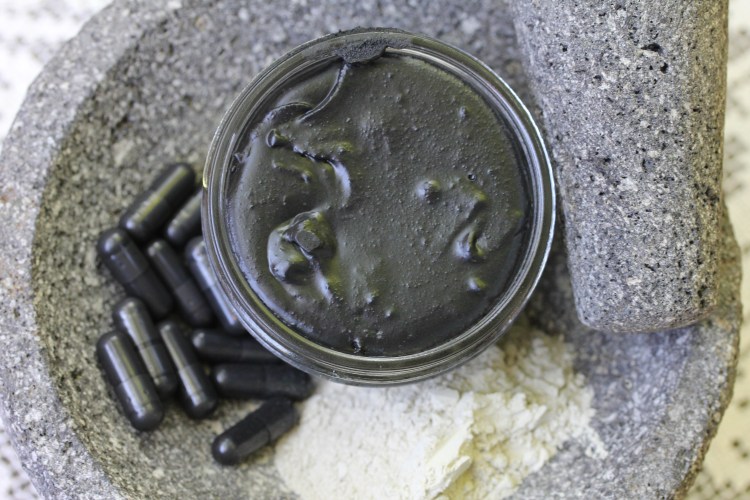
2/3 cup of betonite clay

2/3 cup of activated charcoal

2/3 cup of beeswax pellets

5 tsp of shea butter

Melt the shea butter and beeswax pellets in a double broiler

Add in your oils and honey, whip

Add in your dry ingredients, continue to whip until smooth and fluffy.

Spoon into small jars or tins.

To use, slab enough of the Drawing Salve to create a thick paste on the spot that you want it to work on. Cover it with a bandage to keep it on and to keep it from staining your clothing. Reapply as needed. For external use only.

Plantago major

Plantago is a perennial characterized by a basal rosette of several leaves with ribbed/parallel venation. Each terminates in a thick channeled stalk where they attach to a round stem. Leaves can be broad/ovate or narrow/lance shaped. Sometimes margins are toothed. A single, dense ,cylinder shaped, cluster/spike, of greenish white tiny flowers grows on a tall (6-18 inch) erect stem . These have brown sepals and bracts. Plantain is found along paths and roadsides, in meadows and lawns or in wastelands. If cultivating this plant, it likes sun or partial shade but really prefers a moist soil.

Plantago should be your top choice for a first aid remedy. Externally plantain is thought to be helpful for broken bones, wounds, burns, bruises, injuries, boils, acne, shingles, sunburn, eczema fungal infections, sore feet, and plantar fasciitis, . It can draw venom, poison, dirt, splinters, pus, and infection out of insect stings, animal bites, or wounds. It relieves irritation and pain when one has been exposed to irritating plants like nettles or poison ivy. Like nettle is supports the body to release antihistamine for relief when suffering from allergies, hayfever, and asthma. Historically this herb has been used to treat ulcers, bronchitis, coughs, sore throats, lung damage, inflammation in the digestive tract, irritated tissues/organs, hemorrhoids, varicose veins, toothache, fever, mastitis, earache, sore throat, urinary tract infections and internal bleeding. It is known to clear heat and inflammation. The seeds are edible and have been used to make flour or as a thickener. They are also a good source of fiber and may prevent constipation.

Family: Plantaginacea

Parts Used-leaves, seeds, root

Energetics-sweet, salty, bitter, cool, dry

Element-earth

Spiritual and Emotional Uses: Settling a mind that is restless, overactive, irritable or “addicted” to something stimulating.

Contraindications: soak or cook seeds before use.

Spring Green Greek Soup (Nettles)

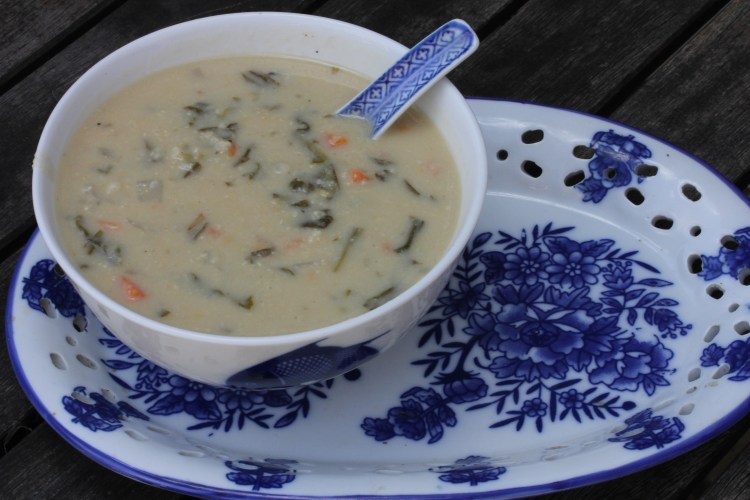
Spring is finally approaching. Depending on where you live you my start to see the appearance of fresh greens around you. Dandelion, violet, chickweed, and nettles are all great choices. Spring greens are known for their beneficial effect on the “blood” and liver when there has been several months of winter stagnation. They help us to detox, build bone, balance blood sugar levels and stimulate digestion. In the past they provided missing nutrients when food stores were at a point of near exhaustion.

This is one of my favorite cold weather soups. I love the creamy texture and the nutty richness lent by the addition of tahini. It feels nutritionally dense with the right combinations of fat, protein, chewy grains, greens, and vegetables.

Spring Green Greek Soup

To a large skillet add and saute until tender…..

1/2 onion finely diced

2 medium carrots finely diced

Add in and cook the grains until soft……….

6-8 cups of “chicken” boullion

1/2 cup of lemon juice

1 cup of millet

1 tsp of oregano

salt and pepper to taste

Stir in and cook for 10 minutes……..

1 -2 cups of cooked garbonzo beans

2 cups freshly chopped nettles or other greens

Remove and blend one cup of soup. Add back to the pot and stir.

Serve immediately.

Nettles are also a great for soup, pesto, smoothies, chips, baked goods, stir fry, herbal butters, and quiche. You can pretty much substitute them for any ingredient that is a leafy green.

Urticaceae

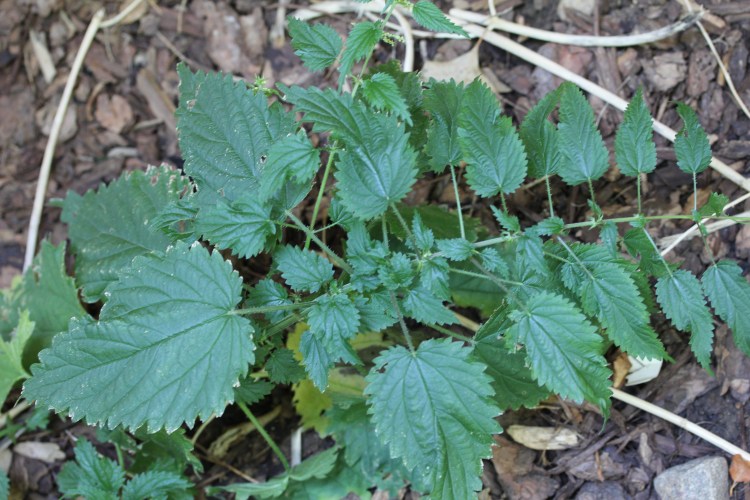
Nettle is hardy perennial in the Urticaceae family that grows 2-7ft high. It has dark green hairy/downy (underneath) stinging leaves that are lance shaped with serrated margins. Arranged alternately on stinging square stems. The yellow roots are tough and tangled. The flowers are very tiny, light green, and on auxiliary clusters. It can be found growing in large abundant patches in the woods, along rivers, roadsides, in fields and cultivated in gardens. It prefers likes sun and nitrogen/organic matter rich soil. It does not like dry conditions. Male and female reproductive parts occur on separate plants.

Nettle has a nasty sting but it is strong and very useful medicinal plants. The young tops are high in vitamins, chlorophyll, and minerals making them a nutritious spring green that can be used in soup, stews, stir fry, pesto, and baked goods. It is one of the few foods that has vitamin C with iron for perfect absorption. This herb counteracts inflammation, supports the body to produce antihistamine, and binds immunoglobulin G-making it helpful for all kinds of allergies (food and seasonal). Supports the secretion of uric acid. It builds and cleanses “blood” for females of all ages and increase circulation. Historically it is has been used to treat anemia, internal bleeding, arthritis, rheumatism, gout, asthma, enlarged prostate, urinary problems, kidney stones/issues, poor milk supply, menstrual problems, heavy periods, colds, bronchitis, sinus infections, high blood sugar/diabetes, cardiac disease, high blood pressure, fluid retention, fever, blood clots, acne, yeast infections, hives, tendonitis, sciatica, poor circulation, sore muscles, night sweats, low blood sugar, neurological problems/infection, hypothyroidism and headaches. Nettles assist the body to clear poison and venom.

Humans have also used nettles for rope, cheese making, textiles, paper, dye, insect repellant and compost.

Parts used: aerial tops, leaves, stems, rhizomes and roots.

Energetics: cool, bitter, dry, salty.

Element: fire

Emotional/Spiritual Uses: releasing an anger that “stings” , establishing boundaries.

Contraindications: Eating late season plants uncooked/raw may damage the kidneys (due to high levels of nitrates) and irritate the digestive tract. The “hairs” on the fresh plants will inject an irritating substance under the skin that can cause pain and rashes. Handle with care. Most people consume this plant only by drying or cooking it. In sensitive/deficient individuals it may irritate the kidneys with prolonged use. Otherwise it is very safe for everyone.

Ginger and TURMERIC “immune aid”

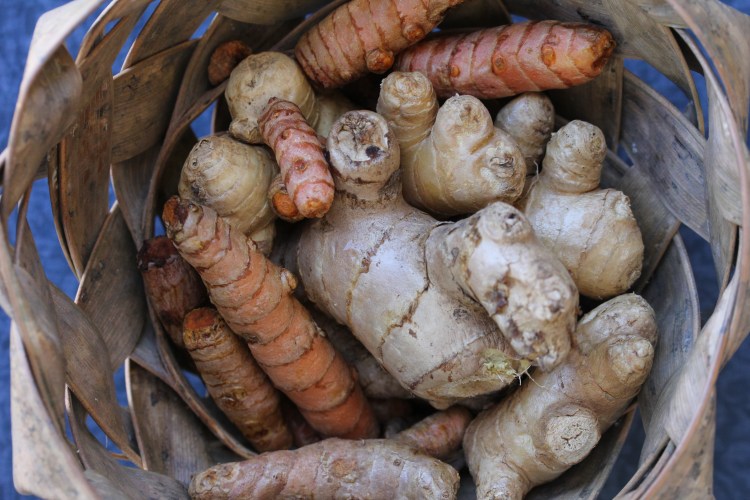
While turmeric is not a plant that I can grow in my backyard or house ( I did try some tubers in pots), it is an herb that I use frequently in both food and medicine. Thankfully fresh turmeric is easy for me to buy in the grocery store. They look a bit like small, scaly, knobby carrots. It is also very cheap and easy to buy as a powder.

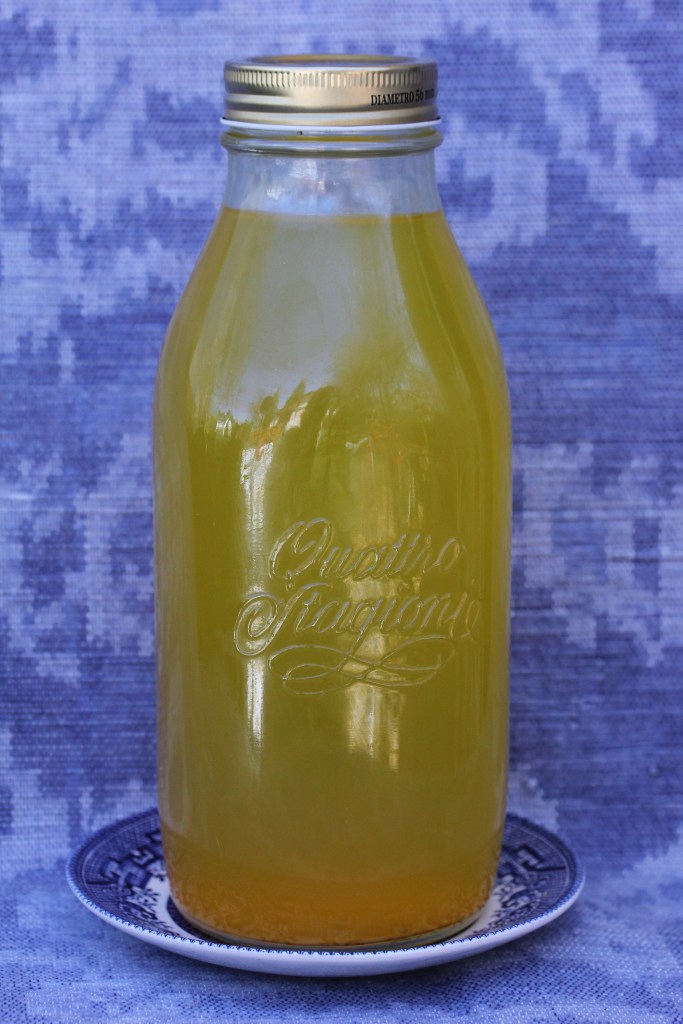
This “immune aid” is one of my favorite things to prepare all year round. I love it ice cold in the summer after a hot day in working in the garden. It is also nice served hot with a bit of honey after a winter hike. The ingredients in this drink are known to reduce inflammation, increase blood and Qi circulation, support the immune system, fight infections, clear phlegm or heat, and may reduce the formation of blood clots. If you wanted something that is easy to make, inexpensive and could serve as a safe, daily preventative for many things you might consider trying this recipe. It is not suitable for individuals on blood thinners or with a clotting disorder.

“Immune Aid”

1/4-1/2 cup of grated fresh ginger root

One 1-3 inch piece of fresh turmeric root grated or 1 tsp of dried powder

Juice and peel of one medium lemon

1/2 cup of fresh feverfew leaves loosely packed. Or 1/4 cup dried.

Fill a large saucepan with a generous quart of water. Bring to a boil, reduce heat to low and add your ingredients. Cover and simmer for 15 minutes. remove pan from heat and strain out the solids. Store “tea” in the refrigerator until you wish to use it. Reheat if desired. Add honey or other sweetener if desired.

The orange tubers are Curcuma longa. The pale ones are ginger (they are both in the same family)

Turmeric is a member of the ginger family. It is not native to the continental US. It is the aromatic rhizome of a perennial plant that grows in the tropics. It is very common and easy to find in most grocery stores worldwide. It can be cultivated or found in the wild.  It has leaves that extend upward from erect, thick stems arising from the a 2 foot rootstock (really a network of underground stems). These are firm, thick, fibrous, fleshy and oblong rhizomes. Each about 2–3 inches in length, close to 1 inch wide and tapered at each end. The outside skins can can be yellow, tan, or olive-green. The interior of the rhizomes can be orange-brown or deeply rust-colored, with transverse resinous parallel rings.  The plant’s leaves are divided, blade shaped and narrow at the end. They are close to 2 ft long and a deep green. The flowers are a pale yellow color, growing in groups of three to five on a spike. It has a warming, somewhat bitter and peppy taste that might remind you of ginger.

This plant is known for removing stagnation and increasing blood flow. Turmeric has a history of treating gallstones, water retention, pain, poor circulation, cramping, colic, arthritis, diabetes, high cholesterol, asthma, bloating, gas, colds, nausea, fungal infections, bacterial infections, jaundice, menstrual issues, insomnia, restless mind, and cancer. It is thought to increase the flow of bile, protect the liver from absorbing toxins, to be an anti-inflammatory, control blood sugar levels, stimulate the immune system and prevent the formation of blood clots. With external use it may treat psoriasis, eczema, thrush, athlete’s foot, bruises, wounds, and swelling.

Family:Zingiberaceae (not related to ginseng)

Part used: the rhizome

Energetics:pungent, sweet, warm, dry

Element:fire

Contraindications:avoid medicinal use in pregnancy. Do not use if you are on blood thinners , have a clotting disorder or ulcers. May cause a dermatitis or photosensitivity in some people.