Fruity Chamomile Honey Popsicles*

Popsicles are not just for summer. They are a great treat anytime of year especially for a child that is sick with the flu, a fever, sore throat, or upset stomach. Dried chamomile flowers are easily available in most stores, making this a quick and easy thing to make. The addition of honey to this recipe makes the flavor even better and adds some extra medicinal properties.

Fruity Chamomile Honey Popsicles

Combine in a bowl……….

Juice of 1/2 orange

juice of 1/2 lemon

Strain out pulp and set aside.

Bring to a boil 2 cups of water

Add 1/4 cup of dried chamomile or 1/2 cup of fresh flowers

Simmer on low 10 minutes and strain

Add in 1/2 cup of honey

Let cool and then add in 5 drops of tangerine essential oil and the juice

Pour into popsicle molds and freeze for several hours.
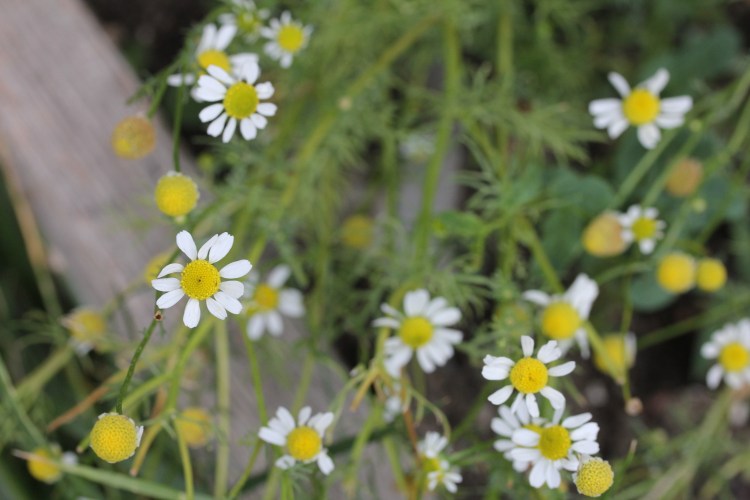
German Chamomile. Is an annual. Latin Name -Matricaria recutia/chamomilla. Family-Aster. Sub Family-Anthemideae (aromatic members of the aster family). Like all asters, this plant is missing the green sepals. Instead it has translucent bracts (modified leaves) surrounding the flower head. Numerous tiny five petaled disc flowers fill the yellow round center which is surrounded by a ring of white single petaled ray flowers. Similar to a daisy but much smaller in size and different leaves. Each flower sits a top a short stalk attached to a long leggy stem ( may grow to 24 inches) which has numerous blooms. The alternate leaves are brilliant green, fine, and feathery. Chamomile has a sweet pleasant aroma, almost like apples. Roman chamomile is similar in appearance but shorter and often a ground cover. In the garden this plant prefers any kind of soil, regular watering and full sun for best growth. This cultivar sometimes escapes to be found in pavement cracks or an empty urban lot. Self seeds and spreads easily under the right conditions. Not to be confused with pineapple weed which can be found growing “wild” in many places.

Chamomile contains several volatile oils and constituents that assist the recovery and health of skin or mucous membranes. Studies show that this herb is anti-microbial specifically for candida, staph, strep, e. coli and fugal infections. Compresses, lotions, salves, washes, douches and gargles have been used externally to cool and speed the healing of burns, eczema, acne, dermatitis, insect bites, psoriasis, cracked nipples, bleeding gums, toothache and eye infections. The flowers have a long history of being used in hair products like dye, shampoo and rinses. They have also been used to flavor food, drinks and scent incense, massage oil or dream pillows. Matricaria reduces inflammation, clearing toxins and heat. Herbalists like chamomile as a sedative for insomnia and anxiety. It is very well suited for restless, nervous and hyperactive kids. A weak tea can support cranky, teething, and colicky babies or reduce nightmares and bedwetting in children. A study shows that this herb acts on the smooth muscle of the intestines and uterus, helping them relax and stop spasming/cramping. The flowers of this plant have been used to treat ulcers, gas, heartburn, morning sickness, IBS, indigestion, diarrhea and other digestive upsets. Herbalists use this plant for menstrual pain and migraines related to PMS/hormone shifts. It is thought that chamomile can reduce the pain of rheumatism, sciatica, and lumbago. Inhaling the stream from an infusion clears phlegm and may reduce the symptoms of asthma.

Parts Used: flowers

Energetics: Bitter, sweet, moist, neutral

Element: Water

Spiritual and Emotions Uses:calming when there is restlessness and irritation. Releases emotional tension. Harmony and peace. Stability when one has changing emotional states.

Contraindications-avoid large doses in pregnancy. Do not use if you are allergic to ragweed or other members of the daisy/aster family.

Root Vegetable and Thyme Spiral Casserole

We have had snow and freezing temperatures this week. I love this recipe in winter. It is warming, savory, and very filling. The perfect thing to make on a “snow” day when life is slow and cozy. Fresh thyme can be purchased from most grocery stores anytime of year. It is a crucial ingredient in this dish. This casserole is elegant enough for a dinner party and also works well if you need to deliver a nourishing meal to a friend.

Root Vegetable and Thyme Spiral Casserole

Marinade

The juice from one can of chopped pineapple (3/4 cup)

Pineapple from one can or 1 cup of chopped apples

1 cup of apple juice

1 pinch of freshly ground coriander seeds

1 pinch of cinnamon

1 tsp of salt

1 tsp of red pepper flakes

2 tsp of fresh thyme leaves

3 TBSP of butter or a substitute

Combine all ingredients in a bowl and let sit while you prep the vegetables.

Vegetables

2 large parsnips or carrots , peeled and sliced into 1/8 inch rounds

3-6 sweet potatoes or yams (choose ones that are about the same diameter as your parsnips). You will need about 3 cups total after slicing.

Olive oil

Salt and pepper to taste

Place your cut vegetables, spices and oil into a large bowl and use use your hands to toss and evenly coat the vegetables.

Line a springform pan with parchment paper and oil.

Arrange the vegetables in a spiral pattern around the inside of the pan, stacking as you go.

Pour 1/2-3/4 cup of marinade over your vegetables

ALTERNATIVE-Replace marinade liquid with 1 and 1/2 cups of coconut or macadamian nut cream for a creamier/richer option.

Bake one hour at 400 degrees

Every 30 minutes add more marinade

Thymus vulgaris

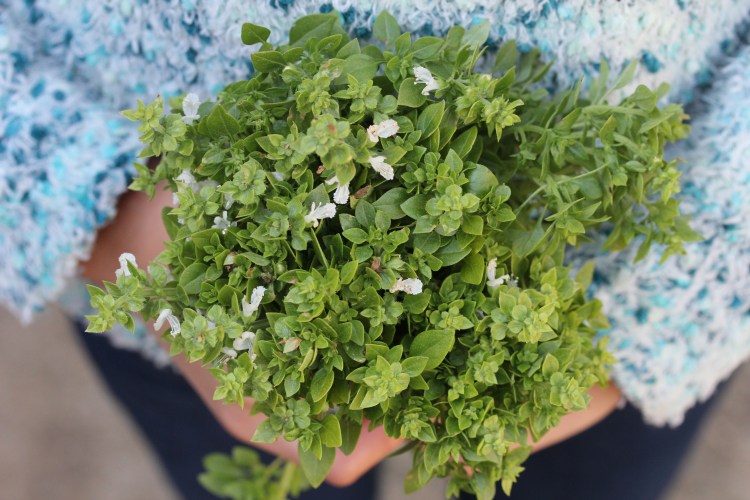
Thymus is a member of the very large Labiatae/mint family. As one would expect it has several volatile oils that contribute to its smell and properties. Thymol and carvacrol are both antibacterial and anti-fungal. Thyme soothes inflammation and promotes tissue repair. Topically it cleans out infected wounds. A bath, liniment, or massage that contains thyme may help with rheumatism, shingles, warts, insect bites, staph infection, athlete’s foot, ringworm, lice, scabies, candida/yeast, dandruff, sore muscles, arthritis, neuralgia, bruises, sprains, injuries, sciatica, and large cuts. Internally this plant is known for its ability to “warm” various organs. It supports the immune system and increases circulation. It dries, loosens and clears phlegm. Thyme has been used to treat coughs, sinus infections, fever, bronchitis, the flu, headaches, gas, colic, diarrhea, poor appetite, indigestion, and viral infections. As an antiseptic mouth wash, thyme has been used to treat sore throat, laryngitis, bad breath, sores, and gum disease.

Thymus has a woody square stem, Depending on the variety it can grow from 1-10 inches high and often takes on a shrub like appearance. Some types creep and make good ground cover between pavers. The tiny white, pink or lilac flowers can be arranged in clusters around segments of the stem or only at the tips. Like other members of the mint family, the flowers petals are fused into a two lipped funnel. Its numerous small, flat, leaves are a bright, grey or dark green color. They have an ovate to lanceolate shape which rolls slightly on the edges. Some cultivars like lemon thyme are varigated (bi-colored). This easy to grow plant prefers dry soil and full sun.

Parts used: leaves and flowers

Energetics:pungent, bitter, warm, dry

Element:fire and water

Spiritual and Emotional Uses: For courage and strength over the long haul

Contraindications:Pregnancy, thyroid issues. Avoid in large doses or longterm use. The essential oil should never be used internally. Use with caution externally as it can irritate skin and sensitive tissues.

Hibiscus, Hawthorne Berry, and Strawberry Oxymel (and salad dressing)

An oxymel is an infusion of herbs into vinegar and honey (see also shrubs, kvass, kombucha, switchels and other similar fermented “sodas”/drinks ). Plants easily give up their vitamins and minerals when added to vinegar. The raw honey serves as a powerful antibiotic when not exposed to heat. The yummy result can be mixed into salad dressing, braises or marinades. A tablespoon added to carbonated water or iced tea makes a refreshing drink with added nutrients, medicinal properties, pro-biotics, and acid. If you suffer from bloating, gas, indigestion etc. a shot of oxymel first thing in the morning may help with your symptoms. I love making these in winter. I specifically harvest and save “berries” from my hawthorn or currant bushes and put them in freezer for when I need to move the sluggish energy of the colder months.

Hibiscus and Hawthorn Oxymel

2 cups of honey

2 cups of apple cider vinegar

2 cups of frozen strawberries

2 cups of hawthorn berries

1 cup of hibiscus infusion/tea

Combine all ingredients in a very large canning jar. Put a piece of plastic wrap or baking parchment between the lid and jar lip. Seal tightly. Let sit six weeks in a a cool dark place. Shake and invert weekly. Press and strain to remove any solids or seeds. Divide up into smaller bottles which can be stored or refrigerated. With proper storage an oxymel will last for at least a year.

Hawthorn and Hibiscus Salad Dressing

6 ‘”pickled” strawberries (removed from the oxymel)

1tsp of fresh thyme leaves

salt and pepper to taste

1/4 cup of olive oil

1 cup of aged oxymel (strained)

Mix all of your ingredients in a bowl then transfer to a bottle. Shake before each use. Refrigerate.

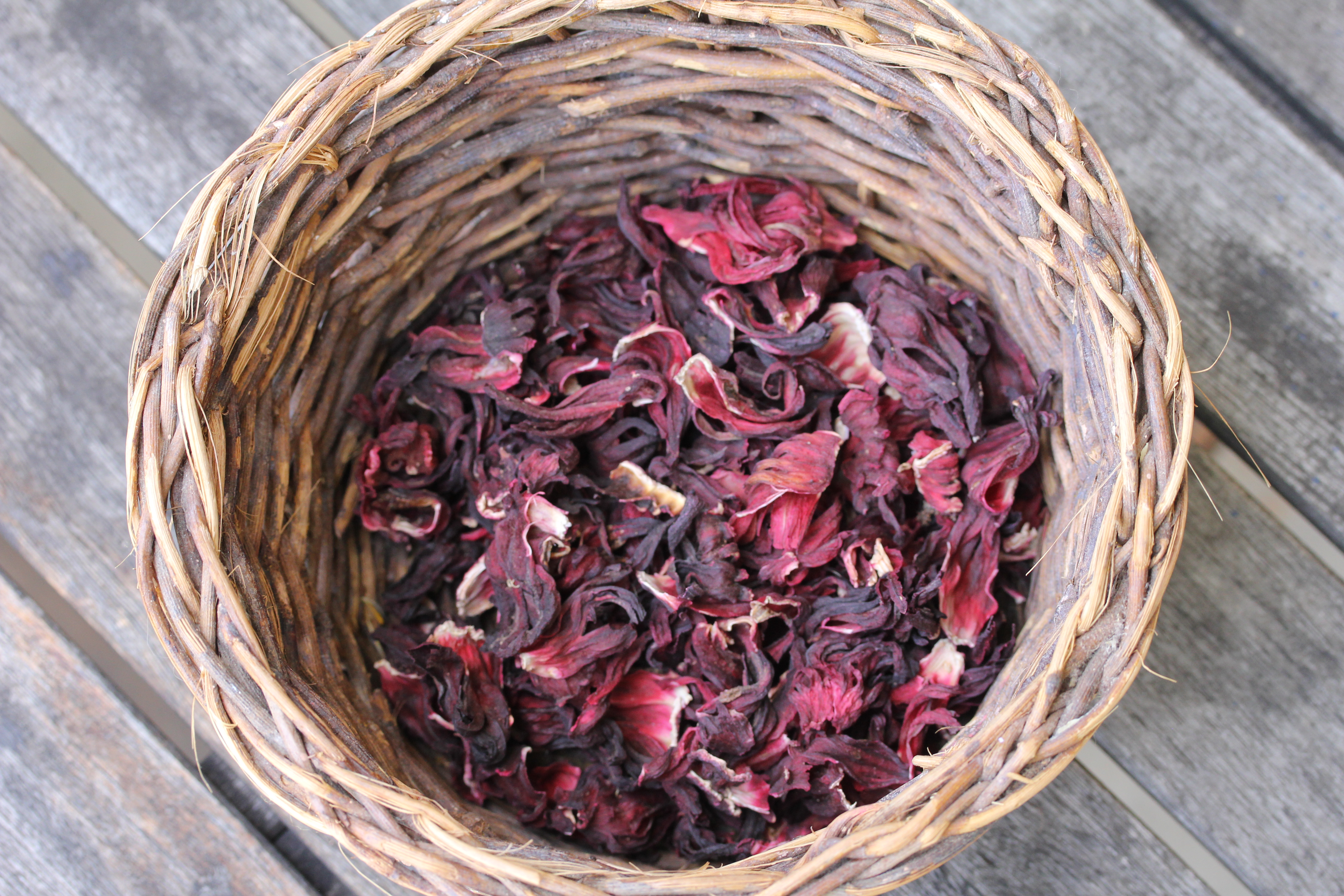
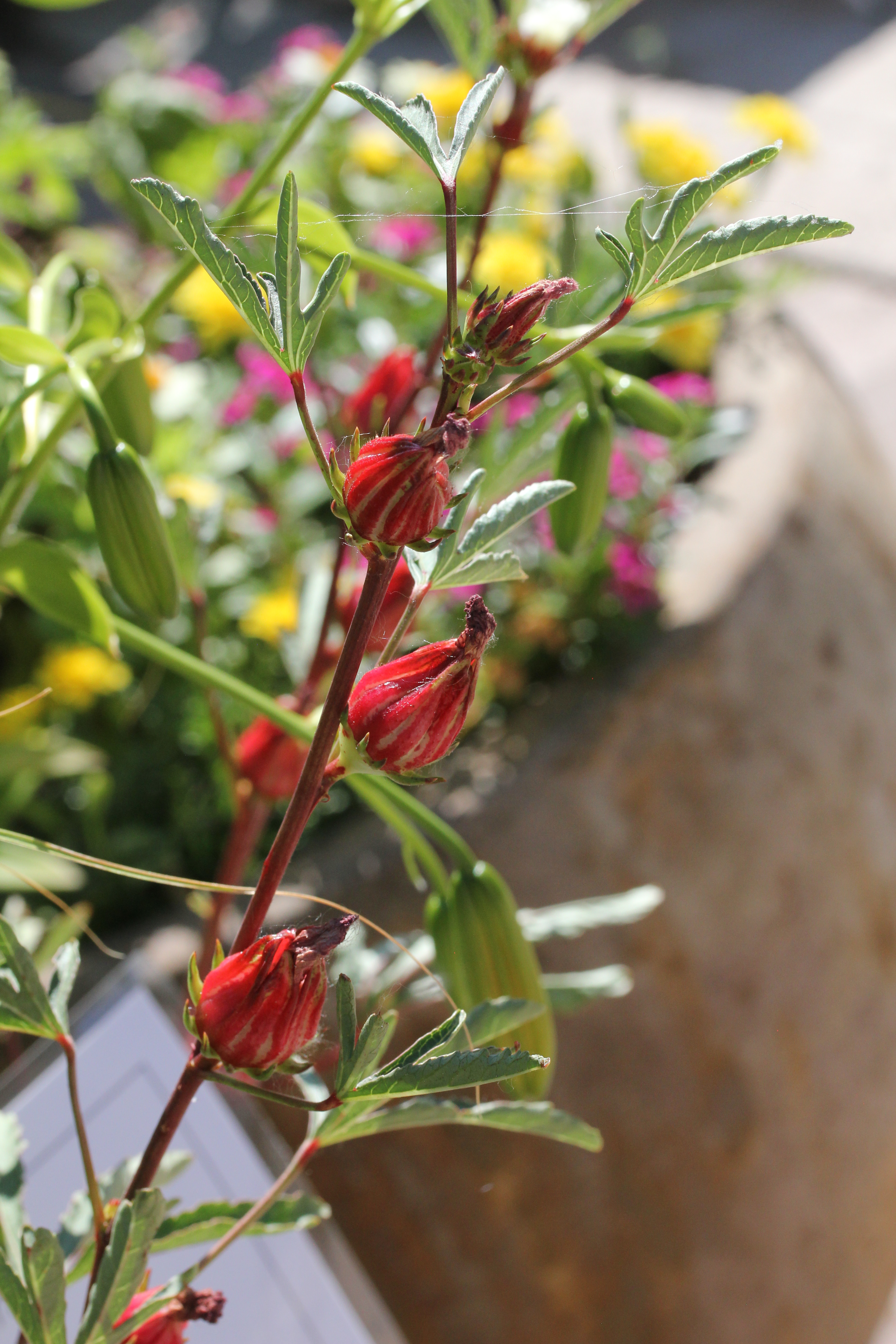
Hibiscus is in the Malvaceae family along with cotton, okra, rose of Sharon, malva, and marshmallow. The plant I prefer to use is not Rosa sinesis, the Asian tropical ornamental we are all so familiar with. In my opinion Roselle (Hibiscus sabdariffa), which originates from Africa, is more medical. It provides the strong red pigment in “hibiscus tea”. Roselle is an herbaceous/bush like perennial or rapid growing leggy annual depending on the climate. It grows long (3-9ft) red stalks. Young foliage has a single lobe but mature plants have red veined leaves with 3-5 lobes. The large (3 inch), delicate, yellow/cream flowers have 6 petals and a cup like red center. The NUMEROUS “fruit”/red calyces mature in fall. This plant prefers full sun and well drained soil. It can be cultivated in North America in places where winters are mild. It is very drought tolerant.

Historically roselle has been used to treat high blood pressure, diarrhea, constipation, inflammation, parasites, bleeding, respiratory congestion, heart disease, menstrual problems, fever, bladder infection, headaches, high cholesterol, kidney weakness, vitamin C deficiency, and stomach issues. In hispanic cultures it is popular tea during pregnancy due to its high vitamin C content which helps the absorption of iron which prevents anemia and hemorrhaging during childbirth. It is well known for its ability to moisten, clear heat, or eliminate excess fluid from the tissues. Externally it can be used as a wash for eye infections, itchy skin, infected wounds, abscesses and bacterial infection in the vagina. Tea of roselle, made from the calyces, is very tart and refreshing. It is commonly served cold with lots of sugar, ginger, cinnamon and clove. It pairs well mint. The “fruit” can also be used for jam, jelly, juice, wine, and syrup. It needs a lot of sweetener to balance its very tart flavor. The young leaves have been eaten like spinach or put into curries. Roselle is very cooling and soothing for the body with its sour, refreshing taste. It is thought to remove excess fluid from the body bladder and kidneys. It is very high in ascorbic acid and citric acid making it very helpful in treating infections, supporting the heart and strengthening blood vessels. I drink it as tea everyday to stay healthy in these times and to reduce the “heat” associated with menopause.

Energetics-sour, sweet bitter, cool, moist

Element-water

Emotional/Spiritual Uses– for trauma (especially sexual), loss of connection to the feminine, to restore vital energy.

Contraindications-cold conditions

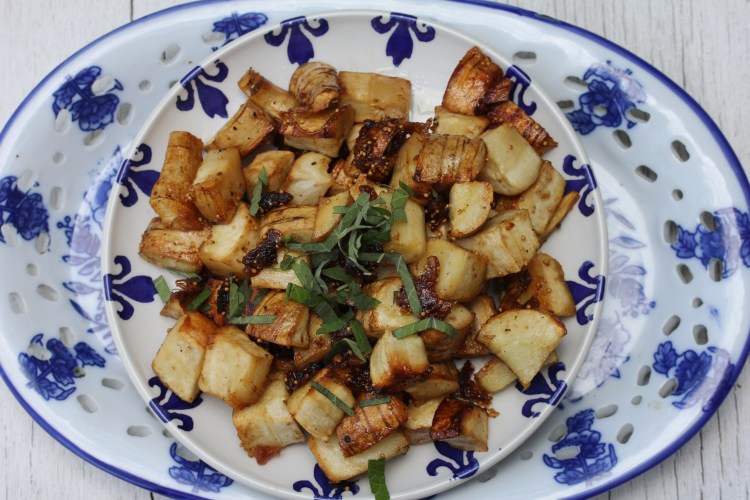
Parsnips Glazed with Hyssop and Figs

There is only way to dress up parsnips and get a reluctant person reason to try this vegetable for the first time. With our new hoop house setup, I can get fresh hyssop all year round even when there is a foot of snow outside. The combination of dried figs and fresh hyssop is magical for a cozy winter meal with friends or just family.

Glazed Carrots with Hyssop

Make a stovetop glazing infusion with….

1 cup of water

1/2 cup of mirin

1/2 -1 cup chopped fresh anise hyssop leaves

1/4 cup of honey

Simmer on low for 30 minutes, and strain.

Add 1/2 cup of chopped, rehydrated dried figs. Bottle.

For the roasted parsnips (carrots can also be used)

2 large parsnips chopped into large pieces

1 tbsp water (or chicken stock)

1 tbsp butter

1/4 cup of glaze

Roast in an oven at 400 for 45 minutes.

Garnish with…

1 tsp finely chopped hyssop, salt & pepper to taste

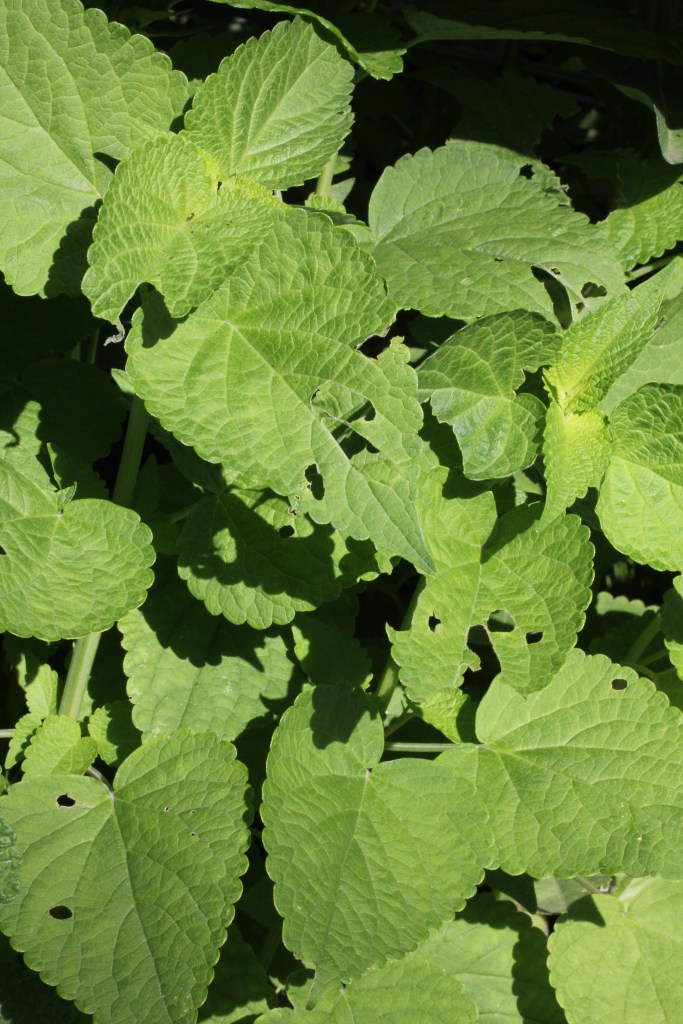
Agastache is in the mint family. It is one of the few cultivated medicinal herbs that is native to North America. This perennial grows up to three feet in height. It has brilliant green leaves that are oval/spade shaped with pointed tips. These are oppositely arranged on a square stem and have a fuzzy underside. Anise hyssop has very small purple/blue flowers densely arranged on a spike, typically at the end of each stalk. It prefers to grow in moist habitats with full sun. When rubbed with the fingers the plant has a pleasant anise/spicy scent. This subtle flavor makes it fun to use in all kinds of recipes from sorbet to lamb.

Anise hyssop has a warming stimulating action that clears heat. It supports the the lungs, digestive system and spleen. Historically it has been used for bloating, nausea, gas, indigestion, vomiting and diarrhea. It can be added in a respiratory formula for flu, fever, colds, asthma, bronchitis and sore throat. The aerial parts can be used in a poultice to be applied externally for migraine, heatstroke, sore, fungal infections, bruises, bug bites, and burns.

Parts used:Flowers and Leaves

Energetics:pungent, sweet, warm, dry

Element:air

Contraindications: None, can be used regularly as a “tonic”or in culinary dishes. Anise hyssop has the same medicinal uses as Hyssopus officinalis but different essential oils and constituents. Hyssopus is much stronger and should not be taken in large doses or in the long term as medicine.

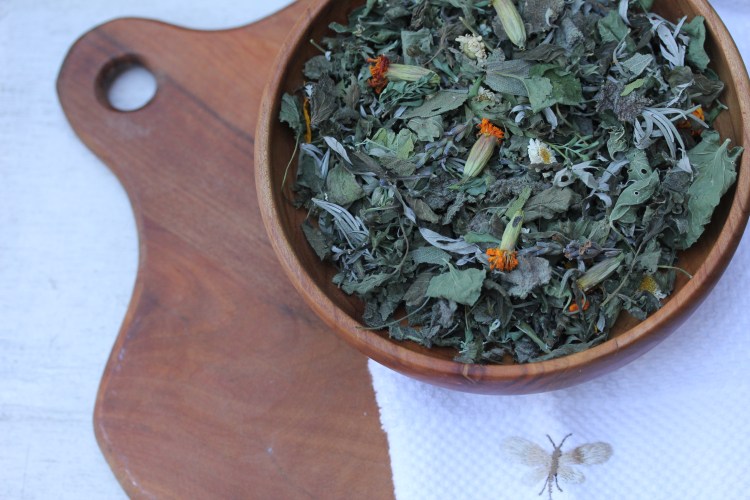
Soothing Bath For the Spirit (MARIGOLD)

By the end of the herbal year I have run out of ideas for how to use the rest of my abundant harvest of plants. Drying herbs for winter baths make lovely gifts. There will come a day in February when one is low in energy and craving a sensual experience that enlivens your very soul. This specific combination of plant helpers is sure to grant that wish. When it comes to formulating a bath mix I am all about letting instinct and aesthetics guide my hand. There are no measurements or proportions for this recipe. Let the time of day, month, weather, and your garden whisper instructions as to what you need to harvest and how much.

Soothe The Spirit Bath

Rose

Chamomile

Lavender flowers and Leaves

Calendula

Lemon Balm tops and leaves

Sage

Rosemary

Marigold flowers

Strip aerial parts from their stems. Allow small amounts to air dry in baskets placed in a cool, dark and moisture free environment. In the summer I use a bench in my kitchen for this. Large, fleshy leaves like clary sage or resinous flowers like calendula are best dried quickly in a dehydrator. When all ingredients are truly crisp, gently add together and mix. To preserve color and volatile oils package immediately. Store away from light, humidity, and heat.

Here is a link for self care using baths, a longer post on using plants for bathing.

Tagetes

If you want to know about the medicinal properties and uses of Tagetes you might have to consult herbals from other cultures (Mexican) or regions in the American Southwest. Even though pot marigold (calendula) and Tagetes (marigold) have a few things in common, like their names, they are not the same species. One can not be used as a substitute for the other. I tend to only use marigolds externally, as a way to support the spirit. Historically they have been used internally as an infusion for inflammation, fever, edema, migraines, common cold, flu, chills, pneumonia, food poisoning, gas, diarrhea, stomachache, nausea, menstrual problems and colic. It is very common to use Tagetes flowers in baths, incense and ritual sprays where there is fear or trauma. Externally marigold is helpful for rashes and skin infections. No matter how you use it, the flowers clear “wind”, dryness and heat.

Marigolds are native to North and South America. They are in the aster family. The plants can be a 1-2 ft. tall , highly aromatic annual or perennials depending on the climate. Tagetes many leaves are dark green and very pinnate. The flowers are 4-6 cm in diameter and come in shades of yellow and orange, often with darker or maroon highlights. Varieties can have single or multiple rounds of petals. The dried floral heads are well known for their ability to self seed and produce an abundance of plants the next year. This plant grows well in dry climates and poor soils.

A few varieties have tasty edible flowers- Tagetes patula (French marigold), Tagetes tenuifolia (Gem marigolds), Tagetes lucida (Mexican mint marigold) and Tagetes minuta. These can be used as an inexpensive substitute for saffron in condiments, savory dishes and desserts with their subtle flavors of anise, basil, tarragon, or citrus. The blooms can also be used as a yellow dye for textiles and their high carotenoid lutein content is used as a food coloring worldwide. Marigolds are well known in agriculture as an effective repellent for all types of pests. They widely cultivated in numerous countries to be used in rituals, festivals, and celebrations.

Contraindications (internal use): Aster/ragweed allergy. Pregnancy.