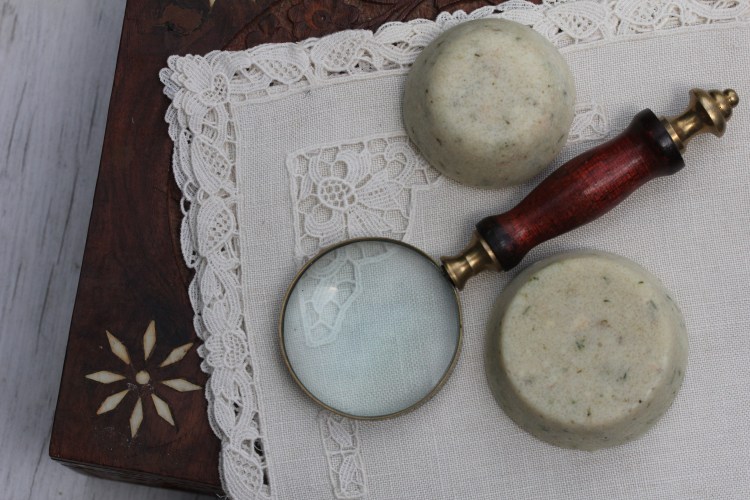
THYME , Chamomile, and Oatmeal Sugar Scrub Bars*

Last week my neighbor gifted me a large basket of culinary herbs. It was prefect timing as we had an unexpected freeze during the night. I also needed several projects to keep me distracted over a weekend stuck inside due to wildfires. I am always amazed at the creative combinations of ingredients found in all the homemade beauty products. The following recipe was an inspiration after viewing several other ideas published on-line. The use of both oatmeal and sugar works well to exfoliate dry skin so typical of this time of year.

Thyme and Oatmeal Sugar Scrub Bars

Coarsely process rolled oats in a coffee grinder , you will need 2 heaping TBSP.

In a food processor grind fine- 1 cup of white sugar, 1 TBSP of fresh thyme leaves, 2 TBSP of dried chamomile flowers, and 5 drops of lemon essential oil (or add 1/4 tsp of lemon zest), 1 tsp of vanilla extract. Add in….

1/4 cup of olive oil

6 ounces pour and melt soap base (goat milk, shea butter etc. just not clear)

Once fully melted, remove from heat and swish to mix. Cool just enough to insure that it is just liquid enough to pour into soap molds.

Quickly add in the dry ingredients, mixing well with a fork.

Pour into molds and let harden.

Remove and store in a cool, dark place when set.
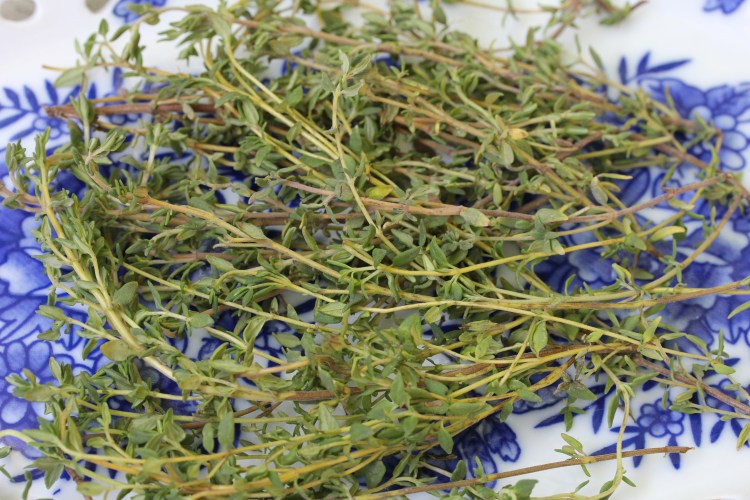
Thymus vulgaris

Thymus is a member of the very large Labiatae/mint family. As one would expect it has several volatile oils that contribute to its smell and properties. Thymol and carvacrol are both antibacterial and anti-fungal. Thyme soothes inflammation and promotes tissue repair. Topically it cleans out infected wounds. A bath, liniment, or massage that contains thyme may help with rheumatism, shingles, warts, insect bites, staph infection, athlete’s foot, ringworm, lice, scabies, candida/yeast, dandruff, sore muscles, arthritis, neuralgia, bruises, sprains, injuries, sciatica, and large cuts. Internally this plant is known for its ability to “warm” various organs. It supports the immune system and increases circulation. It dries, loosens and clears phlegm. Thyme has been used to treat coughs, sinus infections, fever, bronchitis, the flu, headaches, gas, colic, diarrhea, poor appetite, indigestion, and viral infections. As an antiseptic mouth wash, thyme has been used to treat sore throat, laryngitis, bad breath, sores, and gum disease.

Thymus has a woody square stem, Depending on the variety it can grow from 1-10 inches high and often takes on a shrub like appearance. Some types creep and make good ground cover between pavers. The tiny white, pink or lilac flowers can be arranged in clusters around segments of the stem or only at the tips. Like other members of the mint family, the flowers petals are fused into a two lipped funnel. Its numerous small, flat, leaves are a bright, grey or dark green color. They have an ovate to lanceolate shape which rolls slightly on the edges. Some cultivars like lemon thyme are varigated (bi-colored). This easy to grow plant prefers dry soil and full sun.

Parts used: leaves and flowers

Energetics:pungent, bitter, warm, dry

Element:fire and water

Spiritual and Emotional Uses: For courage and strength over the long haul

Contraindications:Pregnancy, thyroid issues. Avoid in large doses or longterm use. The essential oil should never be used internally. Use with caution externally as it can irritate skin and sensitive tissues.
Fever Tincture (ELDER)

Fevers can present at any time of year and affect people of all ages. They are a normal result of our body killing off bacteria or viruses and activating the immune system. Most are not pathological but a healthy and natural strategy to deal with common but mild infections. Fever can also be caused by cancer, medications, vaccines, heat stroke/sunburn, teething and a few chronic diseases. Please consult with your medical provider if a fever does not respond to treatment or presents with a seizure, rash, stiff neck, confusion, listlessness, vision changes , light sensitivity, abdominal pain, throat swelling, , difficulty breathing, frequent vomiting or diarrhea. In infants under 3 months a fever over 100.4 requires immediate medical care. In older infants and children temperatures above 103 are a concern. For adults consult for a fever over 104 degrees Fahrenheit. Attention should be paid to preventing dehydration. Regular fluid intake, a lukewarm bath, cold compresses, and rest help provide comfort and relieve symptoms. Fevers can be accompanied by headache, aches/chills, shaking, sweating, fatigue, and hot/flushed skin.

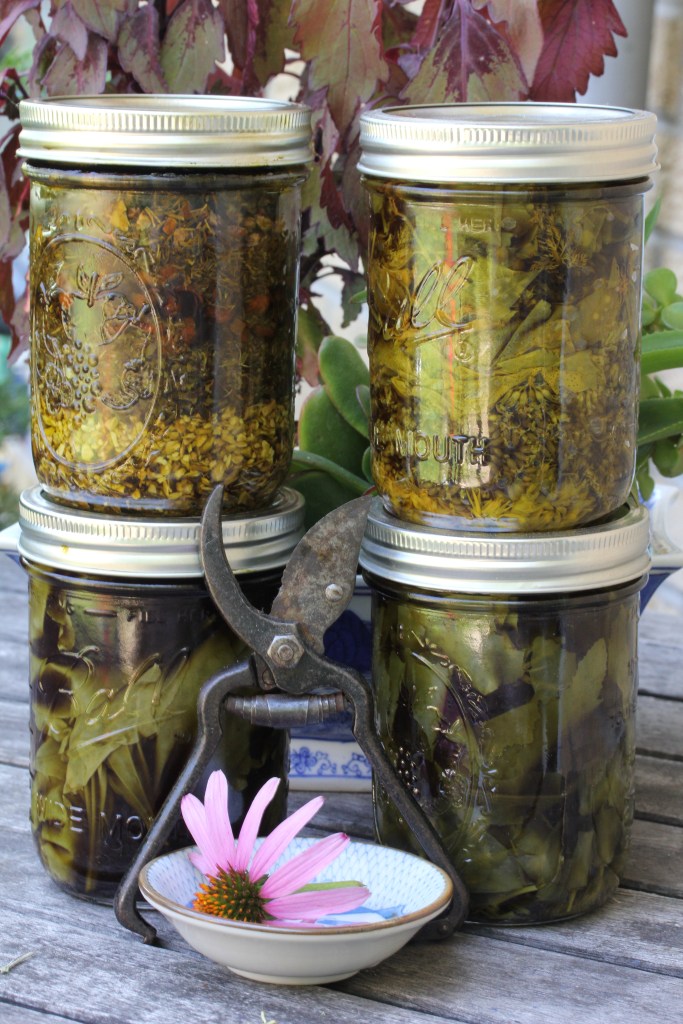
My fever formula contains the following herbs-yarrow flowers, elder flowers, catnip leaves, dandelion root and leaves, violet leaves. I choose plants based on their abilities to remove heat/stagnation, induce sweating, provide comfort, and address mild symptoms.

S. canadensis

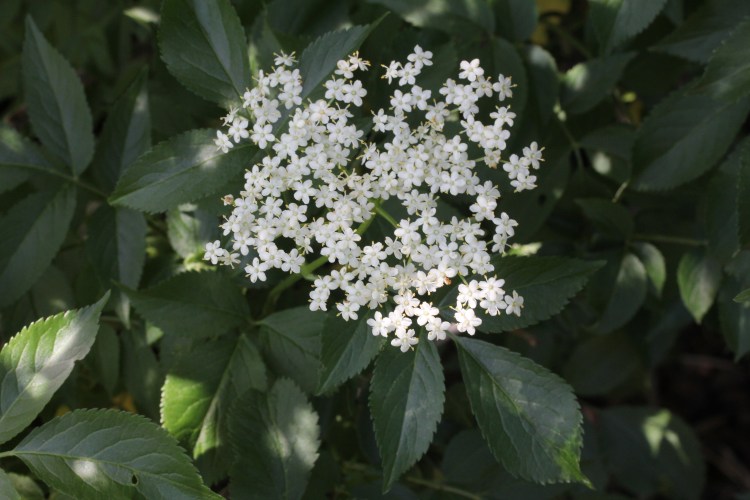
Elder Latin Name: Sambucus. Family: Adoxa/Adoxaceae. Common names- there are “blue”, “black” and “red” elderberry subspecies. To avoid confusion and ensure safe/accurate ID and harvesting, it is best to use Latin names. Elder is a tall bush that drops its leaves in the fall. The leaf shape and color can vary between subspecies (long, lance shaped, and pointed or pinnately compound, and toothed) but in general are arranged oppositely on the 10-30 branches/canes. The small “white” flowers form a crowded cyme/cluster. They have a strong unpleasant smell and bloom sometime in the late spring. The small, ripe, smooth berries can be blue, black or red. They form dense clusters.

ALL elders contain two alkaloids that convert to cyanide ( a poison) when exposed to the acids in the human stomach. These toxic chemicals are found in the seed, root, branches, green stems, and leaves. BUT not the flowers or the RIPE fruit that surrounds the seed. There are several wild elder subspecies that Not everyone is in agreement about whether some are more toxic than others. To be safe I cultivate and only harvest from S. nigra and S. canadensis. Both are easy to find in nurseries.. You can also propagate elder from cuttings. I failed to get my new bushes to overwinter twice. But now that they are established they are almost invasive and have to be pruned every year. The Flowers are at their peak sometime in June. The berries will be ripe in late fall. The flowers are always edible especially if you remove their green stems. The berries may need special preparation such as cooking well and straining out their seeds. Elderberries must always been eaten when fully ripe!

There have been reports of people getting sick from eating the ripe dried berries (not cooked). Yet several of my teachers and the Botanical Safety Handbook mention no concern with using dried berries without cooking them first. I powder them and add them to honey. Many herbalists tincture the ripe berries (both fresh and dried) without cooking them first but do strain out the seeds. Very few people feel comfortable using other parts of the plant. Do your research and use your best judgement.

Elder berry and flowers encourage the body to release toxins through sweating, moving stagnant blood and urination. Elderberries contain constituents that prevent viruses from penetrating cells. Elder has been used since ancient times to treat fluid retention, colds, flu, hay fever, asthma, hot flashes and childhood infections. This plant is very useful for relieving a cough, opening the lungs, increasing oxygen saturation and breathing capacity. It has a long history of being used as a laxative, purgative, and organ tonic. It supports the nerves and digestive system. The berries are high in Vitamin C, and contain small amounts of iron and potassium. You will find them in syrups, jams, pies, and cobblers. Externally the flowers are used in skin and hair products such as salves, lotions, toners, and rinses. They have been used in eyewashes, gargles and compresses for headache, skin conditions, bruising, sunburn, and pain. They will lower a fever, relieve a sore throat, help with congestion. and clear heat as a tea or tincture. In recipes you can find them in salads, drinks, jelly, and baked goods.

Parts Used:Berries and flowers internally. Leaves externally.

Energetics:cool, bitter, sweet, dry 

Element:water

Spiritual/Emotional uses:for protection, prosperity, blessing and good luck. Often present at transitions like birth and death.

Contraindications:-dehydration. Only consume the flowers or cooked berries. Research Elder’s role in cytokine storms.

An Herb and Spice Holiday Season

Oh the sights and smells of the winter holiday season. As the days get colder, shorter and darker our physical and energetic body feels the need to rest. The process of journeying inward can lead to stagnation. That is why winter traditions incorporate the aesthetics and medicinal properties of certain plants. Spices known to stimulate a sluggish digestion, move stuck energy, “heat” the body and increase circulation. As scents, decor, medicine, drinks or sweets-these ideas will fill this time of year with festivity, warmth, coziness, comfort and good health as your gather to celebrate with loved ones.. Many of these recipes are fun to try with kids.

Saffron Winter Holiday cake

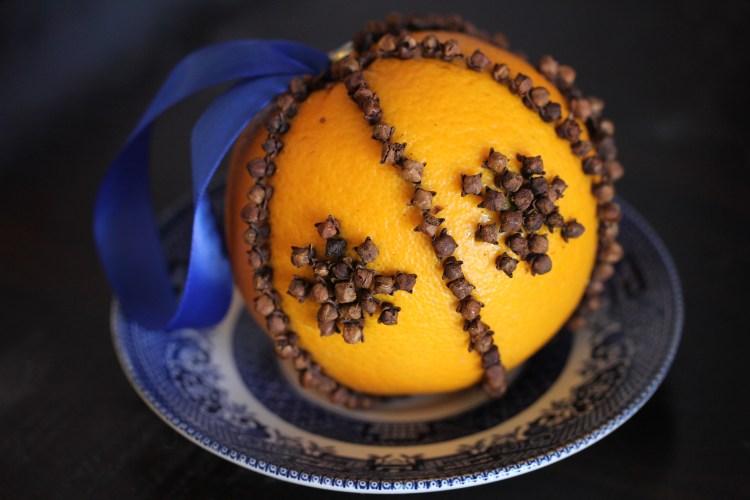
Pomander Ball-draw a design onto an orange with a ballpoint pen. Using. a toothpick poke regular holes along the line of your design. Insert whole cloves. (optional) cut a length of ribbon and make a loop, tie a knot. Use a brad or thumbtack to attach it to your orange

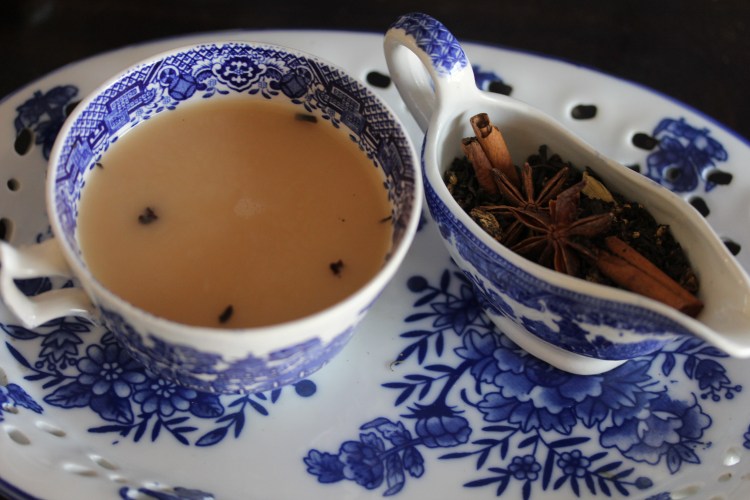
Traditional Chai Tea

Ingredients

A one inch piece of fresh ginger coarsely chopped

1 cinnamon stick broken and crushed

1/2 tsp of black peppercorns

1/2 tsp of whole fennel seeds crushed

2 TBSP of loose black tea leaves

3 cardamon pods crushed

3 star anise pods crushed

2 cups of milk or substitute

Packed of brown sugar or substitute to taste.

Place 2 cups of water to a large saucepan. Bring to a boil and add your spices and ginger. Simmer tea for 1/2 an hour. Strain and reserve liquid. Add liquid “milk” and sweetener back into your original pan. Heat for 3 minutes. Serve immediately.

Spice Ornaments

Ingredients

1 cup applesauce

2 TBSP cinnamon power

2 TBSP ground clove powder

2 TBSP ground cardamon powder

2 TBSP ground allspice powder

2 TBSP nutmeg powder

3-4 Tablespoons of white school glue

Directions

Preheat the oven to 250 degrees.

Place all of the ingredients into a large wide bowl.

Use a rubber spatula or wooden spoon to mix ingredients with a rubber until the “dough” comes together.

Divide the “dough” into 4 parts. Roll a part in between two sheets of wax paper until it is ¼ inch thick. Don’t roll any thinner or they may crack in the oven.

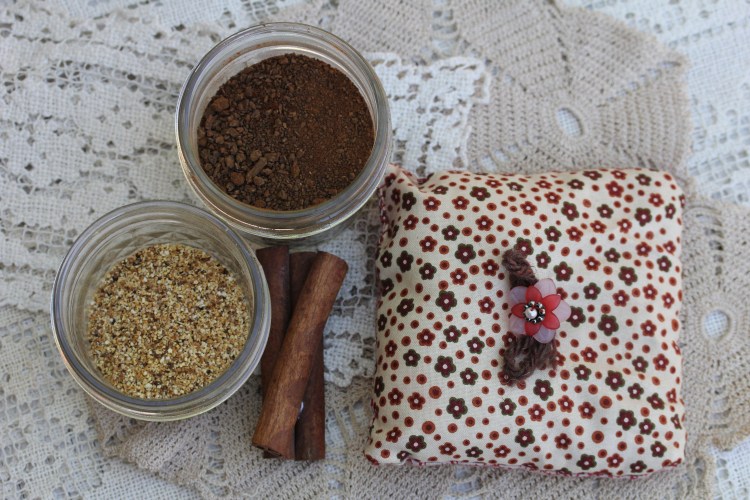
Cloth trivet stuffed with play sand and ground spices. Releases a lovely smell/aromatherapy when a hot beverage is placed on top.

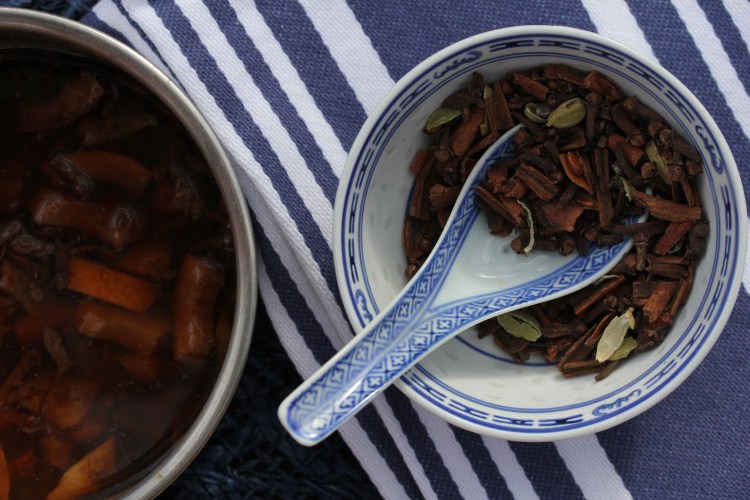
Stove top potpourri

Ingredients

3 cups of fresh orange peel coarsely chopped. Oranges with a thick peel work best.

1/4 cup of whole cloves

1/4 cup of fresh, fragrant conifer needles

3-4 cinnamon sticked broken and crushed

5-6 larger star anise seed pods crushed

1/8 tsp of powdered allspice

12 fresh juniper berries

3 fresh bay leaves crushed

7 green cardamon pods

fresh cranberries or ross hips for added color (optional)

Place all ingredients in a large pot and cover with water. Bring to a boil. Reduce heat and simmer on a very low temperature for 30-60 minutes. Check the water level frequently to prevent scorching/burning. Adding more if necessary.

Incense-finely powdered spices combined with flower petals and leaves. I like to toss a teaspoon on top of incense burner or outdoor fire pit.

Kidney Rub Oil-infuse olive oil with warming spices like bay. Apply at bedtime over both kidneys. You can add a hot water bottle or heating pad as well. There will be a big improvement in symptoms related to “kidney deficiency”.

Immunitea/aide-a hot or cold beverage of turmeric powder, lemon juice, fresh ginger ,feverfew and honey. Perfect for boosting the immune system, supporting blood circulation, and reducing inflammation. Can be used to lesson symptoms related to water retention, joint pain/stiffness, poor circulation, cold hands/feet, and respiratory illnesses.

Orange Peel Oxymel

GOLDEN MULLEIN CHAI

Candied Orange Peel

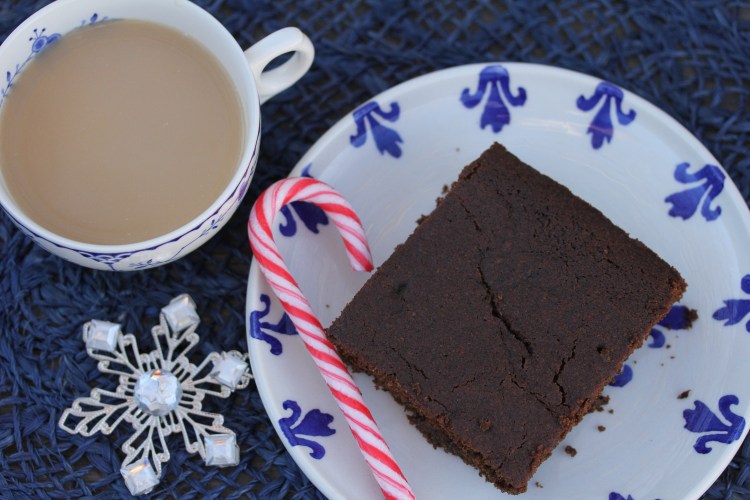
Gluten Free Gingerbread

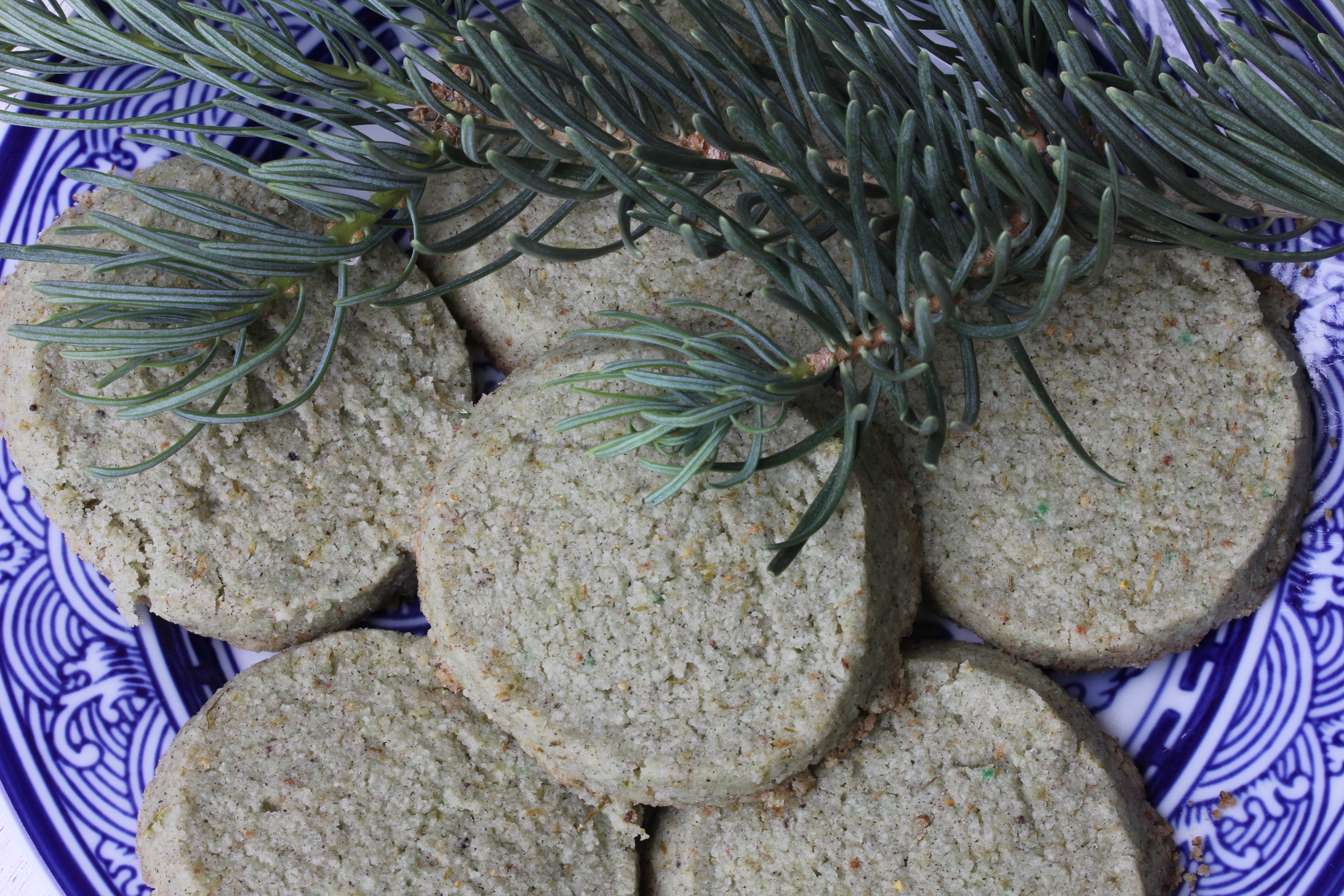
Conifer Cookies

Mulled Apple Cider

Ingredients

3 large cinnamon sticks broken/crushed

4 cardamon pods crushed

6 star anise pods crushed

4 whole nutmeg crushed if possible

pinch of allspice powder or 1 TBSP of allspice berries

2 TBSP of crystalized ginger chopped

2 TBSP of dried currants

2 TBSP of fresh lemon zest

1/4 cup of fresh orange peel chopped

3 TBSP of whole cloves

2 TBSP of whole peppercorns

6 cups of apple cider or juice

maple syrup if desired for sweetness (depends on the sugar content in the apples used for pressing).

Place all ingredients in a large pot. Bring to a boil. Reduce heat and simmer on a very low temperature for 30-60 minutes. Check the liquid level frequently to prevent scorching/burning. Adding more if necessary. Mulled drinks are wonderful when prepared outside over a big fire or stored in a thermos when engaging in cold , winter activities outdoors.

Other ideas to explore-spiced roasted nuts, a homemade pumpkin spice candle, essential oil infused pinecones, cookies/baked goods made with spices, and garlands/decorations made with cinnamon sticks etc.

Christmas Fruit Cake (SAFFRON)

This year I ordered organic crocus bulbs. I have always wanted to grow my own saffron. Marigolds and Calendula are a poor substitute. I planted them in large pot and moved them indoors for the winter to prevent the squirrels from digging them up. They are up and I look forward to flowers soon.

This is one of my favorite cakes. Moist, dense, flavorful and loaded with fruit. A much better version of the traditional “fruit cake” that is purchased at Christmas time. It will remind you of the many of traditional European cakes and breads that we associate with this time of year. Meant to sit or last a long time, I store mine in the refrigerator for later snacking. You can also toast it with butter for breakfast. I love the tradition of baking cakes in tin cans or clay pots. After baking and before serving I soaked my fruit cake in a syrup.

Christmas Fruit Cake

In a large bowl mix together……….

1 cup of brown rice flour

1/2 cups of ground almond or hazelnut flour

1 and 1/2 tsp of baking powder

1/4 tsp of baking soda

1/4 tsp of salt

1/8 tsp of powdered cardamon

1/2 tsp powdered fennel seed

In medium bowl use an electric hand mixer to cream together…..

1/4 cup of vegetable shortening with

1/2 cup of sugar

Add in 1 large egg. Beat until light and fluffy.

In a small bowl add…

1 TBSP of grated orange peel

1/4 cup of orange juice

1/4 cup of hot water

1/8 tsp of saffron threads

5 drops of tangerine essential oil

Mix together.

Add dry ingredients to wet ingredients alternately. Blending well after each addition.

Fold in

3 TBSP of dried currants

3 TBSP of finely chopped candied ginger

3 TBSP of finely chopped dried appricot

3 TBSP of finely chopped dried figs

3 TBSP of finely chopped dried cranberries

Once mixed well, turn into a well greased and floured 2 LB coffee or baby formula can. For ease in cake removal-use a can opener to remove both ends of the can. Insert one end to be the “bottom” of your baking container. A circle of parchment paper would not be a bad idea for the bottom either.

Once filled cover the top of the can with 6 paper towels.

Set in the bottom of a dry crockpot. Cover with the lid and cook on high for 2-3 hours. Until a tooth pick comes out clean and the cake looks done. This is a dense cake with not much rise.

Let cake cool. Run a knife around the sides of the can. Place the can on a flat surface, use a wooden spoon to hold the cake down while you slide the can up and off with your other hand.

Soak generously with the floral or fruit syrup of your choice. I had a homemade black currant syrup in the refrigerator.

I am waiting for my saffron to bloom. I will post a photo with this post in about 1 month.

Saffron is the stigmas from the Crocus sativus plant. This plant is cultivated in many countries and can be easily grown in US gardens. In the early spring an onion like corm sends up several thin, long leaves from its base. The grey/green leaves have hairy edges. and are surrounded by a tubular sheath. In late summer each corm produces 3-4 funnel shaped lilac flowers. It has long red style, 3 yellow stamens and 3 yellow stigmas.

Saffron thought to be a nervous system tonic. While not common in the West it does show up in Ayurvedic and Tibetan medicine. It helps to calm and regulate many things in the body. Historically small doses have been used for cough, fever, asthma, shock, childhood illnesses, stomach cramps, depression, high cholesterol, insomnia, to increase circulation and as a sedative. This herb is thought to support the liver, digestion and cool heat disorders. Externally it can be used to treat pain and bruises. Saffron is the worlds most expensive spice and a common yellow dye. Saffron compounds are currently being scientifically researched to treat Covid 19 symptoms. This idea comes from an ancient Egyptian medicine containing saffron that is still in use today.

Parts Used:stigmas from flowers

Flavor:bitter, sweet, pungent

Energetics:dry

Element:Fire

Spiritual/Energetic Uses: Closes the gates to the channels/meridians.

Contraindications/Caution-can be poisonous and cause kidney damage. A powerful narcotic that can be lethal. Avoid all but the smallest doses. Do not use long term or during pregnancy. Use only under the supervision of an expert practitioner.

Gluten Free Gingerbread (Ginger)

There are a lot of holiday desserts from my childhood. The first one that always comes to mind this time of year is gingerbread. Fresh out of the oven and still warm enough to melt a bit of butter that you have spread on a slice. I have tweaked our family recipe over the years. Adapting it to be gluten free. Adding in more spices and the candied ginger. I would add in slivered almonds and golden raisins but I know that would not appeal to my kids.

Gluten Free Gingerbread

Preheat your oven to 35o

In a large bowl add the following dry ingredients…

1/2 cup of almond flour

1/2 cup of buckwheat or sorghum flour

1/2 cup of brown rice flour

1/2 tsp of baking powder

1/2 tsp of baking soda

1/2 tsp of salt

`1/2 tsp of ground nutmeg

1/2 tsp of ground cardamon

1/2 tsp of ground star anise

1/4 tsp of ground cloves

1/4 tsp of ground allspice

1 tsp of ground ginger

1 tsp of ground cinnamon

In a smaller bowl cream together…….

1/2 cup of butter/shortening/substitute

1/4 cup of brown sugar or coconut palm sugar

Add in…..

1/4 cup of molasses

1 egg

1/2 tsp of almond extract

Mix this into the ingredients in you dry bowl, then add in……

1/4-1/2 cup of boiling hot water

Mix well until you have something resembling a standard cake batter.

Fold in 1/4 cup crystalized ginger finely chopped.

Grease a 9 inch square pyrex or round cake tin.

Pour in your batter and level.

Bake for 30 minutes until test stick come out clean

Let cool for 10 minutes before slicing.

Serve with butter, whipping cream or vanilla ice cream.

store bought “Chinese Ginger”, edible Zingiber officinale

Zingiber is the aromatic rootstock of a perennial plant that grows in the tropics. It is very common and easy to find in most grocery stores worldwide. It can be cultivated or found in the wild. The rootstock is thick, fibrous, and light tan colored. It grows in a finger like/branched formation. As it creeps the root can become quite large, often palm sized. Ginger produces a simple stem wrapped by layers of long, narrow, lance shaped, alternate arranged leaves. It can grow almost four feet high. As the green leaves mature and separate from the stem they can measure 6-12 inches long . Sterile yellow/white flowers with purple streaks grow on short dense spikes. You will often see images for “red ginger”confused with Zingiber officinale. They are not the same plant. Ginger likes partial shade and moist, fertile soil.

Ginger has a “heating action”. It stimulates digestion, perspiration, and breastmilk production. Historically this herb has been used internally to treat colic, gas, bloating, indigestion, nausea/morning sickness, suppressed menstruation, the flu, headache, sore throat, laryngitis, vertigo, blot clots, colds, cough, high blood pressure, hypothyroidism, poor circulation and heart disease. Many herbalists use it to reduce inflammation. Fresh ginger being preferred for respiratory conditions and dried ginger for digestive complaints. Externally this plant has been used to treat, pain, migraines, chills, muscle soreness, congestion, asthma, athletes foot, arthritic joints, and weak kidneys.

Energetics:pungent, sweet, bitter, warm, dry

Element:fire

Contraindications:ulcers, acid stomach, inflammatory/heat conditions. Anticoagulant drugs like Coumadin or aspirin. Although commonly used for morning sickness, use only very low doses in pregnancy. Do not use during childbirth, especially when there is a risk of heavy bleeding.