GF Tropical Starfruit Cake (GINGER)

I needed an uncommon yellow fruit to complete a botanical illustration. I remembered starfruit from a trip to Hawaii but could not find any in the grocery store. So I had to order a small box from an on-line retailer. I only needed one for the drawing. What to do with the other ripe fruit? This recipe includes many of my favorite flavors and ingredients. Candied ginger compliments starfruit in more ways than one.

Gluten Free Starfruit Cake

Preheat over to 350.

In a large bowl add and mix together……..

1/4 cup hydrated (if need be) and coarsely chopped Golden Berries or substitute golden raisins.

1/4 coarsely chopped candied ginger

1/2 cup of sugar

2 eggs

1 cup of blanched and coarsely chopped starfruit with “peel” on but seeds removed

1/2 cup of milk

Set the bowl aside

In a another bowl add…

1 cup of rice flower

1 cup of almond flour

1/2 tsp of salt

1 tsp of baking powder

1 tsp of baking soda

1 pinch of cardamon powder

Sift your dry ingredients into the “wet” bowl. Mix lightly with a wooden spoon until everything is well combined.

Grease, flour (or use parchment paper) a larger springform cake pan. You can use any cake pan but since this is a dense moist cake I do not recommend a loaf pan.

Bake for 35-45 minutes. Let cool before removing. Decorate with powdered sugar or thinned royal icing.

Hawaiian “red ginger” (ornamental and not edible) Alpinia purpurata
Store bought “Chinese ginger”-edible Zingiber officinale

Zingiber is the aromatic rootstock of a perennial plant that grows in the tropics. It is very common and easy to find in most grocery stores worldwide. It can be cultivated or found in the wild. The rootstock is thick, fibrous, and light tan colored. It grows in a finger like/branched formation. As it creeps the root can become quite large, often palm sized. Ginger produces a simple stem wrapped by layers of long, narrow, lance shaped, alternate arranged leaves. It can grow almost four feet high. As the green leaves mature and separate from the stem they can measure 6-12 inches long . Sterile yellow/white flowers with purple streaks grow on short dense spikes. You will often see images for “red ginger”confused with Zingiber officinale. They are not the same plant. Ginger likes partial shade and moist, fertile soil.

Ginger has a “heating action”. It stimulates digestion, perspiration, and breastmilk production. Historically this herb has been used internally to treat colic, gas, bloating, indigestion, nausea/morning sickness, suppressed menstruation, the flu, headache, sore throat, laryngitis, vertigo, blot clots, , colds, cough, high blood pressure, hypothyroidism, poor circulation and heart disease. Many herbalists use it to reduce inflammation. Fresh ginger being preferred for respiratory conditions and dried ginger for digestive complaints. Externally this plant has been used to treat, pain, migraines, chills, muscle soreness, congestion, asthma, athletes foot, arthritic joints, and weak kidneys.

Energetics:pungent, sweet, bitter, warm, dry

Element:fire

Contraindications:ulcers, acid stomach, inflammatory/heat conditions. Anticoagulant drugs like Coumadin or aspirin. Although commonly used for morning sickness, use only very low doses in pregnancy. Do not use during childbirth, especially when there is a risk of heavy bleeding.
Ground Cherry Pico De Gallo (OREGANO)

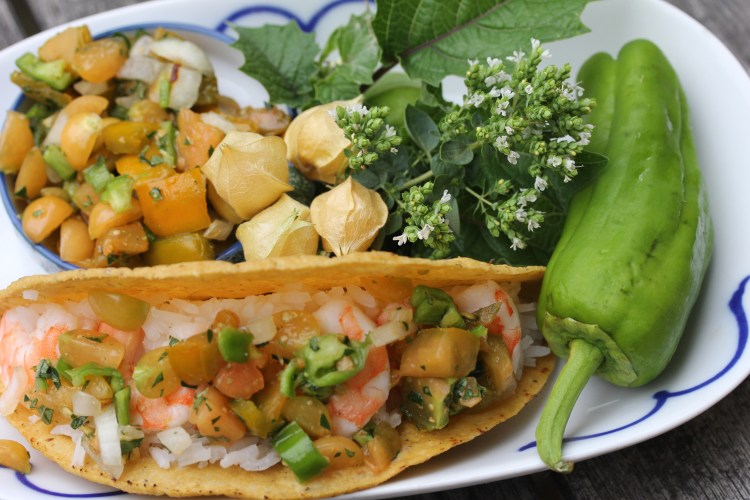
This is my first year for growing ground cherries in the the garden. I was surprised at the size of the plants and that I had a bumper crop. I have tried to grow starts indoors from seed in years past, but never had good luck. I purchased 2 plants from a local nursery and had more than enough fruit for my needs. I think our investment in excellent soil and a location in the sun all day really helped too. Ground cherries are in the nightshade family. Imagine a large tomato plant that trails all over the ground instead of being held vertical in a cage. It was my first year for eating a ground cherry too. They are like a round golden grape in a paper husk. The taste is a bit like a tomato but more tart than acidic, a bit sweeter, with hints of some kind of tropical fruit. Ground cherries can be substituted in recipes that call for tomatoes or firm fruit. The following recipe is best when made from very fresh ingredients and consumed within 24 hours of making. Honestly this pico de gallo is so good that I pretty much ate it all by myself in one sitting just paired with chips. It goes well with shrimp or other fish in something like a simple taco.

Ground Cherry Pico De Gallo

2 TBSP of finely diced onion

1 medium orange tomato diced

2/3 cup of diced ground cherries

1 small mild green pepper finely diced

Pinch of dried coriander seeds

Pinch of mild red chile seeds

Pinch of cumin powder’

Salt and pepper to taste

1-2 TBSP of finely diced fresh oregano leaves

Combine all ingredients and mix well.

Origanum spp.

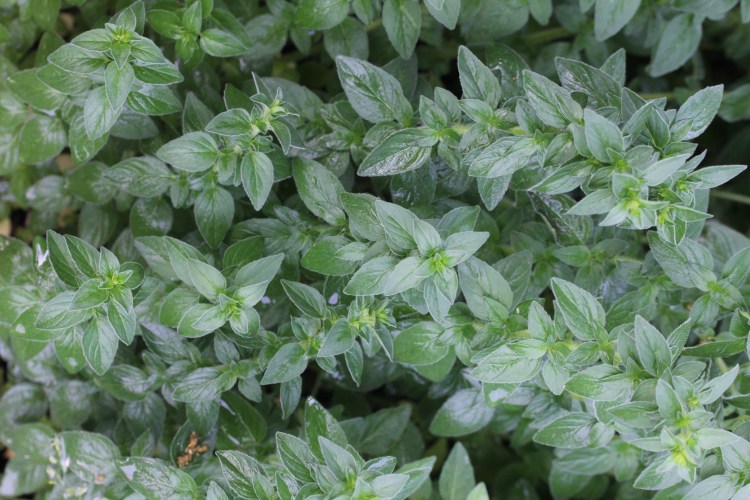
As a member of the mint family Origanum/wild marjoram has its own aromatic essential oils. It is a common perennial found all over the world. Lots of small, ovate shaped, gray/green leaves grow oppositely on a single, downy, square stem (sometimes purplish). These are dotted with very small depressions. This plant grows about 24 inches high. Numerous, tiny ,two lipped white flowers ( with pink or purple tints) grow on erect, terminal clusters. Oregano often appears to grow as a bush shaped patch. It will thrive in just about any soil, tolerates drought, and prefers full sun.

Many older classic herbals leave this herb out as it is more known for culinary use in the US. If you wish to dig deep into the medicinal uses of Oregano you might consider resources originating from Hispanic cultures and countries. Here you will see it used for “cold invasion” or a more bile/pitta constitution. Oregano is gaining more popularity in the west for its antiseptic/antiviral and vasodilating properties. Historically this plant has been used to treat childhood illnesses, headaches, the flu, fever, colds, bronchitis, and asthma. It may help with digestive issues such as colic, gas, indigestion, nausea, vomiting, poor appetite, and parasites. Some herbalists have used it for problems related to menstruation, cramps, headaches, earache, insomnia, inflammation and high cholesterol. Externally it is used as a liniment, poultice, or compress for sprains, injuries, swelling, pain, itchy skin, animal or insect bites/stings, dizziness, and bruising. When inhaled as steam it can help clear and open the lungs, relieving a bad cough. In Hispanic cultures oregano is a popular remedy for conditions of a “spiritual” nature where it might be used in a ritual spray, bath or cleansing.

Energetics:pungent, bitter, warm, dry

Element: air

Contraindications: avoid all but culinary use during pregnancy

A Plant Journey with Chamomile

This month I decided to go on a plant journey. Usually powerful hallucinogenic herbs are chosen for this process. But if one is only wanting to clear unwanted habits, toxins , wastes and energetic stagnation then any Master Plant can be chosen and the journey a “social” one. A journey can culminate in a group ceremony , be done under supervision or it can be a very private experience. There are weeks of preparation to cleanse and purify the body using the elements in the form of smoke, clay, and ceremonial bathing. Participants gradually remove various foods, artificial fragrances, distractions and stumulants from the diet. There is a period of strict fasting. More attention is paid to sleep , slowing down life, changing bad habits, restricting time on screens. It is a good time to evaluate what you “consume” and does with your precious time. There is a period of seclusion/retreat where in a state of deep meditation/contemplation/prayer one seeks guidance and knowledge from the plant spirit. As an herbalist it is a great time to learn more about and connect deeply with a particular herb though dreams, playng music, studies, journaling, and detailed illustrations. A deep and healing relationship can happen through use of infusions, oil massage, baths, flower remedies, and tinctures. Homeopathy, microdoses and external use should be considered for plants that are toxic or have contraindications. I chose Chamomile because it can be used as medicine in so many different forms and because I have access to it growing in the garden right now. There are many herbalists who believe that one plant alone, when used in a special way ,can heal any illness, Be it physical, mental, or spiritual/energetic. A plant journey can be a powerful way to transform on all of these levels.

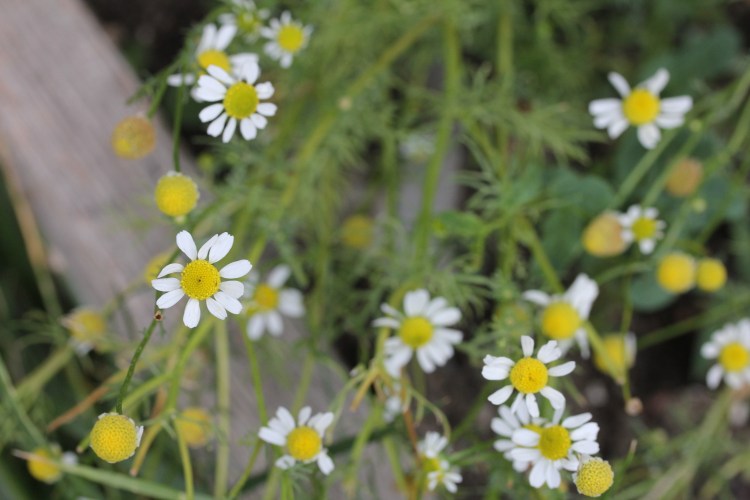
German Chamomile. Is an annual. Latin Name -Matricaria recutia/chamomilla. Family-Aster. Sub Family-Anthemideae (aromatic members of the aster family). Like all asters, this plant is missing the green sepals. Instead it has translucent bracts (modified leaves) surrounding the flower head. Numerous tiny five petaled disc flowers fill the yellow round center which is surrounded by a ring of white single petaled ray flowers. Similar to a daisy but much smaller in size and different leaves. Each flower sits a top a short stalk attached to a long leggy stem ( may grow to 24 inches) which has numerous blooms. The alternate leaves are brilliant green, fine, and feathery. Chamomile has a sweet pleasant aroma, almost like apples. Roman chamomile is similar in appearance but shorter and often a ground cover. In the garden this plant prefers any kind of soil, regular watering and full sun for best growth. This cultivar sometimes escapes to be found in pavement cracks or an empty urban lot. Self seeds and spreads easily under the right conditions. Not to be confused with pineapple weed which can be found growing “wild” in many places.

Chamomile contains several volatile oils and constituents that assist the recovery and health of skin or mucous membranes. Studies show that this herb is anti-microbial specifically for candida, staph, strep, e. coli and fugal infections. Compresses, lotions, salves, washes, douches and gargles have been used externally to cool and speed the healing of burns, eczema, acne, dermatitis, insect bites, psoriasis, cracked nipples, bleeding gums, toothache and eye infections. The flowers have a long history of being used in hair products like dye, shampoo and rinses. They have also been used to flavor food, drinks and scent incense, massage oil or dream pillows. Matricaria reduces inflammation, clearing toxins and heat. Herbalists like chamomile as a sedative for insomnia and anxiety. It is very well suited for restless, nervous and hyperactive kids. A weak tea can support cranky, teething, and colicky babies or reduce nightmares and bedwetting in children. A study shows that this herb acts on the smooth muscle of the intestines and uterus, helping them relax and stop spasming/cramping. The flowers of this plant have been used to treat ulcers, gas, heartburn, morning sickness, IBS, indigestion, diarrhea and other digestive upsets. Herbalists use this plant for menstrual pain and migraines related to PMS/hormone shifts. It is thought that chamomile can reduce the pain of rheumatism, sciatica, and lumbago. Inhaling the stream from an infusion clears phlegm and may reduce the symptoms of asthma.

Energetics: Bitter, sweet, moist, neutral.

Element: Water

Contraindications-avoid large doses in pregnancy. Do not use if you are allergic to ragweed or other members of the daisy/aster family.

Beard Oil (Rosemary)*

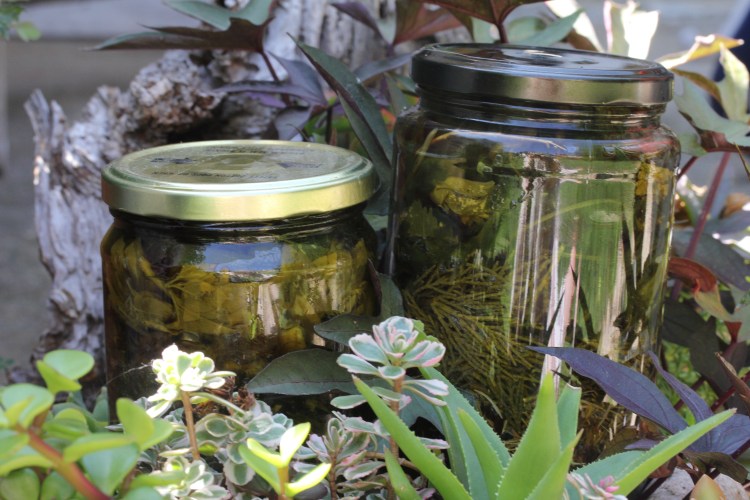
Luscious Hair OIL and Beard Oil before straining

I live in a very dry climate. When that is combined with menopause the impact on my hair becomes significant. Most men lack a self care/personal grooming routine. The ideas that skin, hair, beards etc. need regular preventative care may not come to mind. A simple homemade beard oil can make a dramatic change in facial hair appearance, leaving it shiny, smooth, more attractive, and less brittle. The right combination of herbs can soften , clean/disinfect, nourish, and stimulate hair growth. This oil will also have an impact on skin by repairing damage. You will notice a reduction in dryness flakes, fine lines and wrinkles too.

Base Oil Infusion Ingredients

nettle, rosemary EO, nutmeg, yarrow, cardamon, fennel, calendula, thyme EO, juniper, sage, lemon peel, oregano. Organic US olive oil.

Carrier Oil Choices

seseame apricot oil, almond oil, castor oil, vitamin E oil, rose hip oil avocado oil, argan oil

essential fatty acids like evening primrose oil, flax oil or borage seed oil

Scent

orange, thyme, juniper, rosemary essential oils

DIRECTIONS

1)Make 1/2 cup of oil infusion choosing some combination from the suggested list above. You can use fresh or dried plants. Let infuse for no more than 4 weeks before strainin

2)Make a 1 cup mixture of carrier oils using the suggested list above for ideas.

3)Measure out 2 tBSP of fatty acids

4)Choose 5 drops of essential oil

5)Mix all of the ingredients together. Bottle and shake well before using.

If you would like more of a paste you can experiment by adding small amounts of melted beeswax or shea butter and testing a bit on a spoon placed in the freezer until you get the desired texture.

Apply in the morning after showering and drying off.

I have to overwinter my rosemary in the house. It currently lives in my kitchen and seems to be pretty happy there but I have to remember to water it.

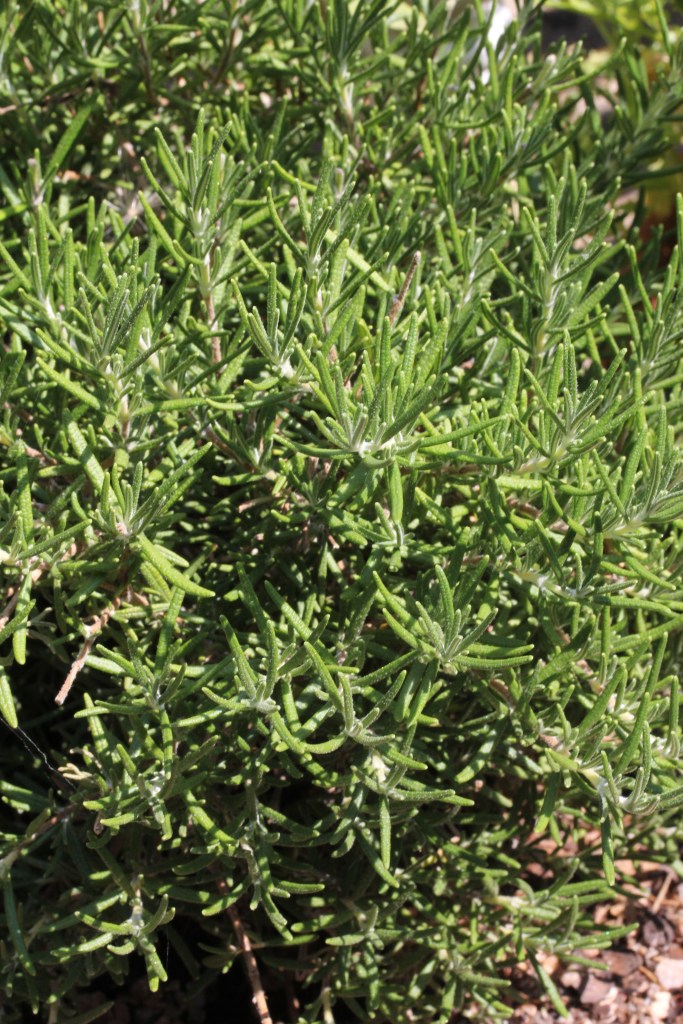
Rosemarinus is an evergreen shrub in the mint family, cultivated worldwide for its aromatic leaves. It can vary in size and shape depending on the variety. Some cultivars appear as small bushes, while others trail over low walls. Look for ash colored scaly bark on the numerous lengthy branches. The leaves are 1 inch long and very narrow, leathery, dark green on top, and downy white underneath. You will notice a prominent central vein and margins with rolled down edges. The plant produces lots of small delicate two lipped, blue flowers at its tips. Rosemary likes dry sandy soil, lots of sun and a warm/temperate climate. It will tolerate the the drought of the dessert better than cold, snowy winter.

The volatile oils in rosemary are very stimulating in the body, moving blood and stagnation. They help to increase liver/galbaldder function and the production of bile. This plant raises blood pressure and improves percirculation. It increases metabolism and the processing of sugar and fats.

The nervous system loves rosemary. Headaches depression, stress, vertigo, epilepsy, concentration and memory loss may often improve with use of this herb. We find rosemary as a culinary spice because it can relieve gas, poor appetite, bloating, vomiting, and other digestive issues.  This herb moves energy so well that it could be helpful for any issue related to the menstrual cycle, the heart, poor circulation and inflammation. This plant has a history of being used for asthma, respiratory issues/infection, high blood pressure, cardiopulmonary edema, cold hands/feet, adrenal fatigue, stress, anxiety and cancer. Therapeutic use is best reserved externally to treat sore muscles, bruises, sprains, wrinkles, dry skin, eczema, neuralgia, poor circulation, cellulite, and rheumatism. Rosemary is often used as an ingredient in shampoo to prevent dandruff, gray hair and hair loss. As a gargle it has been used to treat sore throat, bad breath, gum disease, and sores.

Parts used: Leaves

Energetics/Taste:Warming, spicy, bitter and drying

Element:Fire

Contraindications:Avoid therapeutic doses during pregnancy. Large doses can cause poisoning.

Gluten Free-Lemon, LAVENDER, Poppy Seed, Yellow Squash Cake

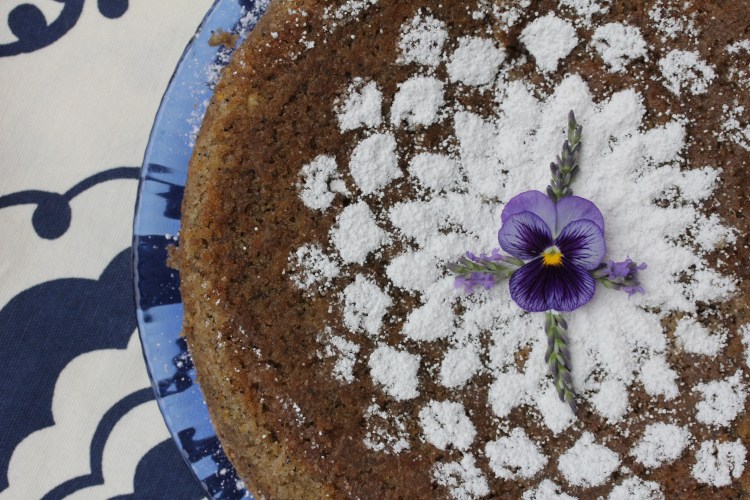
Lavender is in bloom all over town. If you don’t have it your yard I bet you have neighbor who does. Lavender is known for its amazing aromatic smell which can give baked goods a subtle floral flavor. I have an overabundance of summer squash this year and I am not a particular fan of this “vegetable”. I don’t like to waste anything and have been searching the internet for recipes to use it up. This cake was amazing and disappeared quickly in my house. It was very moist , the squash pretty much melts and leaves behind a great texture that is not dry or mushy. If you are a gluten free baker you know that getting a satisfying baked good can be a challenge. This simple recipe also does not require a lot of special additives that you may not have on hand.

Lemon, Lavender, Squash Recipe

Preheat your oven to 325 degrees Fahrenheit.

Grease and flour or line with parchment paper 1-2 cake or loaf pans. I did one standard round cake pan and make 5 extra cupcakes

In a large metal bowl cream together with a hand mixer.

1 cup of softened, unsalted butter or substitute

1 tsp of almond extract

1/2 tsp of vanilla extract

1 and 1/2 cups of granulated sugar.

Juice and zest of 1 medium lemon

1-2 tsp of powdered dried lavender flowers

One at a time add in 3 eggs and continue to mix.

In a medium metal bowl add…..

3 cups of flour (1 cup almond, 1 cup brown rice, and 1 cup buckwheat)

1 tsp of baking powder

1/2 tsp of baking soda

1 tsp of salt

1 TBSP of poppy seeds

Sift the dry ingredient into the larger bowl and mix well.

Fold in….

2 cup of shredded yellow summer squash

Fill and level your prepared pans

Bake at 325 for -60 minutes until an inserted toothpick comes out clean

Let cool, run a knife around the rim and invert

You can ice or dust with powdered sugar

Will store in a covered tin on the counter or fridge for a up to a week

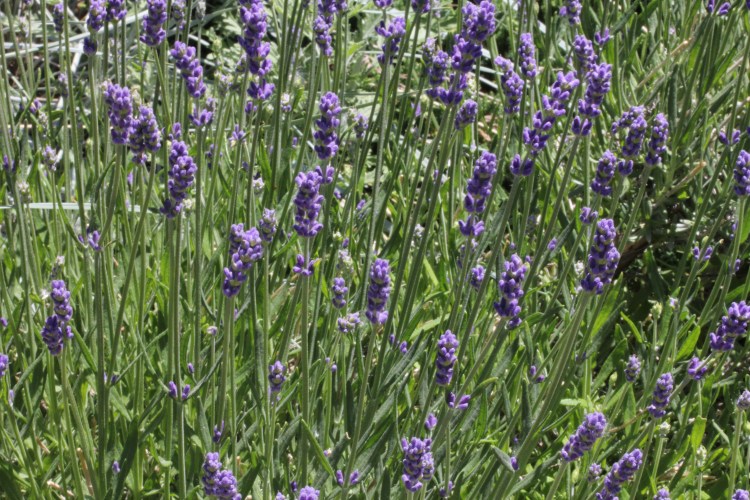
 Latin name: Lavandula (there are lots of species). Family: Laminacea (mint family). Lavender is an evergreen perennial shrub that can grow 1-4 ft high. Typically it appears as a smaller singular plant but in the right conditions it will spread and expand to fill a larger space. The entire herb is covered in a grayish down. At this time of year the plant shoots up a flowers in the form of a terminal spikes. The highly scented purple flowers form a group on the tip of their personal stalk. The narrow leaves are sparsely arranged oppositely on the square stem, often clustered at the base of the plant when not in bloom. Lavender can be very easy to grow in many climates especially when given well drained, poor, sandy soil and full sun. Lavender is not native to the United States. It is very popular with bees and butterflies. The smell is the best way to remember this herb. Rub any part of it between your hands and smell your palms.

Lavender’s pure essential oil is a great remedy for burns, cuts, tight muscles, rheumatism, edema, eczema, hair loss, acne, fungal infections, earache, cold sores, and insect bites/stings. This plant contains numerous volatile oils, many of which are powerful anti-microbials. It was used in WW 2 for wounds and parasites. It was burned for bubonic plague to prevent the spread of the disease. Steam inhalations, baths, and infusions have been used to treat chest infections, asthma, dizziness, insomnia, digestive issues, colic, fever, colds, flu, strep, yeast, vaginal infections, bad breath, muscle spasms, headaches, fear, earaches, eczema, acne, burns, cold sores, edema, rheumatism, hair lossatigue, stress and anxiety. Lavender has a history of being present at birth and death because of its calming nature. The flowers are edible and can be used in baked goods, and other sweets. You will find this herb in many gifts and beauty products. 

Energetics:bitter, pungent, sweet, cooling, dry

Element:air

Parts used:flowers. Leaves and stalks can be used for incense

 Contraindications: During pregnancyDo not use the essential oil internally. Do your research on using the pure EO on a frequent basis externally (including in creams and shampoos).