The Yoni/Vaginal Steam (YARROW)

A steam for you perineum or vagina should be part of regular self care for all girls and women. It is an ancient tradition common to many cultures. Thanks to midwives and indigenous healers, the practice is becoming more common here in the US. This steam is not a douche. Its purpose is not to clean, because the vagina is not dirty. I love to to do this ritual late at night, under the stars, in my garden.

Possible Benefits -To: 1)Reduce PMS/menstrual pain and cramping. 2)regulate your menstrual cycle. 3)ease transitions related to adolescence, childbearing, or menopause. 4) reduce spotting and heavy periods. 5) “close the womb” and heal the tissues after childbirth. 6)increase circulation and move the stagnation of energy, blood, or waste products. 7)improve fertility 8) treat fibroids, cysts, large menstrual blood clots, prolapse and endometriosis. 9)speed recovery after uterine surgery. 10) improve your sense of wellbeing by opening, relaxing, and releasing things. 11) heal and move on after traumatic events or miscarriage. 12) relieve vaginal dryness, loss of tissue tone , painful intercourse etc. as related to menopause.

Supplies needed: 1) a large bowl, pan, tall pitcher, shallow tub, or bucket. 2)a stool/chair or specially made box. 3)a thick heavy blanket. 4)herbs to infuse.

Techniques: 1) Sit on the special stool/chair/box with a bowl of infusion underneath it. 2) Sit over a suitable heat safe bowl or sitz bath of infusion which is set on the lip/bowl of a clean toilet. 3) Squat over a suitable container (bucket or wide steel bowl)-this is not the most comfortable option.

When:Anytime. You can do weekly when not menstruating.

,Herbs needed: Choose ones that cool, moisten, tighten (high in tannins), rejuvenate, nourish, heal or strengthen the tissues. Other qualities to look for-antibacterial, anti-inflammatory, repairs tissues, increases circulation, improves elasticity, reduces pain or stops bleeding. Red raspberry, chickweed, calendula, yarrow, marshmallow root, rosemary, plantain, lavender and thyme are basic ones to start with. Some people have aster allergies so avoid plants in that family for those individuals.

Instructions: Measure out 1 ounce or 1/4 cup of fresh/dried herb. Fill a large tea ball, clean sock, muslin sack or paper tea bag and secure well. Bring 4-6 cups of water to boil in a large pot. Pour over the herbs and let steep covered with a lid/plate for 10 minutes. Set up your supplies and pour the infusion if needed. Remove all of your clothes or at least the items below the waist. Sit/squat over the infusion for 20 minutes. Relax and enjoy. It is fine to journal, meditate or listen to calming music while you steam. When done compost or dispose of the used. plant material

  1. Test the water temperature to avoid burns and make sure it is right for you. Handle all metal items with hot pads/mitts to protect your hands.
  2. Keep your head and feet warm. You can cover your body with a heavy blanket to keep the steam in and induce a “sweat”. Do not allow yourself to get chilled.
  3. Keep hydrated by drinking warm fluids before and after your steam.
  4. Remove any genital piercings during the process.
  5. Do not worry if the first two cycles after steaming are heavier or darker. You are just clearing “stagnation”.
  6. Keep in mind that herb material can stain grout, white containers and textiles. Clean up well as soon as you are done.

Avoid vaginal steams during-pregnancy, menstruation, with an IUD, if there is active infection, right after sex or infertility/intravaginal treatments when trying to conceive, if you have stitches. Do not use essential oils in your steam formula.
Achillea millefolium

Yarrow/Milfoil is best known for lowering a fever. When I was a midwife I had it as a tincture in my birth kit for minor hemorrhaging The tannins in the plant also make it an excellent wound healer which serves to tighten the tissues and arrest bleeding. It has a history of being used for nosebleeds. bleeding hemorrhoids, and abscesses, Other constituents in the plant help with pain, infection, bringing on a fever/sweat, lowering blood pressure, relaxing muscle spasms, strengthening blood vessels, calming the nervous system, opening pores, “cleaning” the blood, toning/stimulating organs or tissues, building blood and reducing inflammation. Historically this herb has been used to treat colds, flu, allergies, headaches, blood clots, menstrual issues, digestive problems, diarrhea, poor appetite, cramps, gas, bloating, rheumatism, childhood illnesses, toothache, earache and ulcers. A wash of the infusion, a poultice, or compress has been used for wounds, varicose veins, bleeding hemorrhoids, vaginal discharge, acne, blood blisters, bruising, eczema, hair loss, chapped skin, and sore nipples in nursing mothers. Dye can be made from the flowers and the essential oils are used to reduce inflammation when used in skin care products.

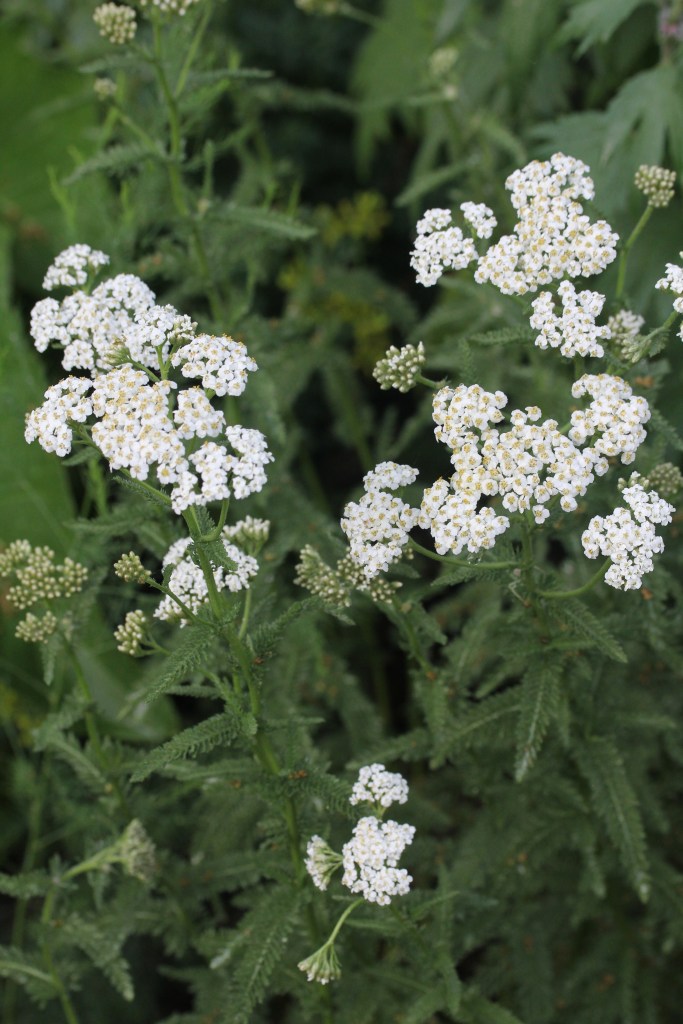
Yarrow is found all over the world. It grows easily in gardens, meadows, along the road, in the wild/mountains and wastelands. It prefers full or moderate sun, dry soil and very little water. There are cultivars with very attractively colored flowers and textured leaves. Yarrow, as a companion plant, helps its neighbors to resist disease. The shallow growing rootstock allows this plant to spread quickly and become invasive. The majority of the finely pinnately leaflets (sharply cleft) give the dark green leaves (lance shaped and alternately arranged) the appearance of feathers. These are 3-4 inches long and form dense growth near the ground. The tiny ray flowers (5 petals) are typically white (can be pink or pale purple) with the discs being yellow, fading to brown as they mature. These are arranged in a flat or raised compound corymb at the top of a tall stem (1-3 ft. tall). Often the stalk is fuzzy with small leaves arranged alternately with wide spacing up the stalk.

Parts used: Leaves and flowers

Energetics: bitter, sweet, pungent, cool, dry

Element: water

Contraindications: allergy to aster/ragweed family. Sensitive individuals may experience dermatitis or sensitivity to sun.

*
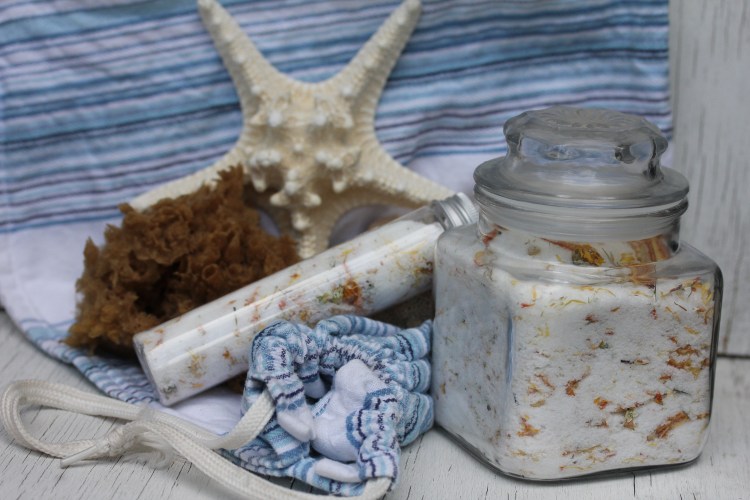
Citrus and Summer Flowers Bath Salts

I feel like I have been harvesting calendula flowers every week. I planted way too much of it, crowding out my cabbages and parsley. This project makes a lovely gift that smells amazing. Soothing and refreshing after a long day in the garden or hike in the mountains. It is also an easy project to do with kids.

Citrus and Sumer Flowers Bath Salts

6 TBSP of dried Calendula Petals

4 TBSP of whole dried chamomile flowers

5 drops tangerine oil

4 TBSP of dried orange peel coarsely chopped

4TBSP of dried sunflower petals

2 TBSP of dried marigold petals

1/4 cup of whole dried crsanthemum flowers

1/2 cup of baking soda

1 cup of epsom salts

1 cup of sea salt

Combine all of the ingredients in a large bowl and mix gently. Store in a container with a waterproof/tight lid.

Calendula officinalis

This herb is thought to have many antiseptic and antibacterial properties. When used externally as a wash, compress, poultice, foot soak, salve, lotion or oil-it has been used to treat many skin conditions. Burns, bug bites, impetigo, ring worm, chilblains, varicose veins, hemorrhoids, ear infections, thrush, diaper rash, eczema, sunburn, warts, callouses, bunions, boils, bruises, chapped skin, athletes foot, dandruff, hair loss, and cradle cap. Historically a cold infusion of calendula has helped those suffering from conjunctivitis/eye infections. The flowers have amazing wound healing properties serving to nourish fragile skin, prevent scars, and form granulation tissue. This plant has been used as a dye for both grains and textiles, similar to saffron. When used as a hair rinse it might bring out highlights in blonde hair.

Calendula has some sticky resins and it releases a lot of water when infused. I prefer to use the dried flowers in any external preparations that involve an oil base. This insures that there will be no mold. It is one of the few plants that I do not use fresh when making a salve or lotion.

What beauty or skin products have you made with calendula?

Elder Leaf Oil

Sambucus canadensis

If I mention elder as a medicinal herb the berries and flowers come easily to mind. Elderberry syrup and solstice cordial made from flowers are very popular. Blooms and berries are safer for the inexperienced to use internally or for food. Not many herbalist use elder externally. A shame because the leaves should not be wasted. They make a lovely oil that can be used on bruises, sprains and chilblains. I might even try them in the injury liniment that I make. Elder is very effective in moving the stagnation/energy that causes pain, swelling, and inflammation. Aging skin might benefit from a salve or lotion made from this oil. The leaves have be used to soothe, tone and tighten tissues. Some claim they remove age spots. Elder is one of those plants that needs to be used with caution, knowledge and experience.

Sambucus nigra

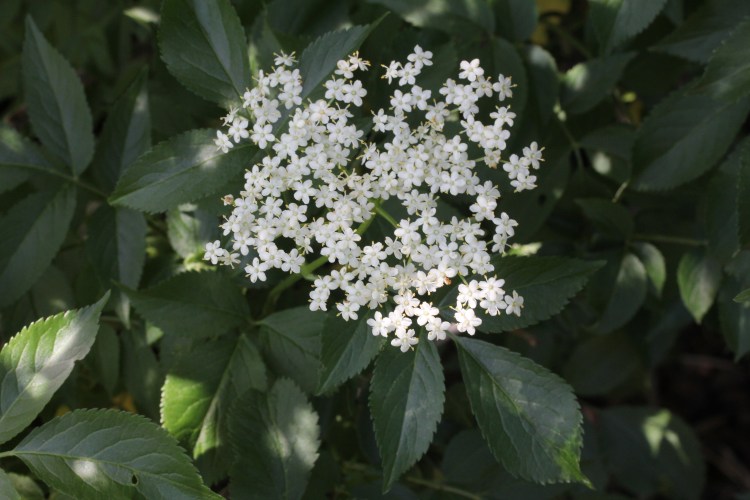
 Elder Latin Name: Sambucus. Family: Adoxa/Adoxaceae. Common names- there are “blue”, “black” and “red” elderberry subspecies. To avoid confusion and ensure safe/accurate ID and harvesting, it is best to use Latin names. Elder is a tall bush that drops its leaves in the fall. The leaf shape and color can vary between subspecies (long, lance shaped, and pointed or pinnately compound, and toothed) but in general are arranged oppositely on the 10-30 branches/canes. The small “white” flowers form a crowded cyme/cluster. They have a strong unpleasant smell and bloom sometime in the late spring. The small, ripe, smooth berries can be blue, black or red. They form dense clusters.

ALL elders contain two alkaloids that convert to cyanide ( a poison) when exposed to the acids in the human stomach. These toxic chemicals are found in the seed, root, branches, green stems, and leaves. BUT not the flowers or the RIPE fruit that surrounds the seed. There are several wild elder subspecies that Not everyone is in agreement about whether some are more toxic than others. To be safe I cultivate and only harvest from S. nigra and S. canadensis. Both are easy to find in nurseries.. You can also propagate elder from cuttings. I failed to get my new bushes to overwinter twice. But now that they are established they are almost invasive and have to be pruned every year. The Flowers are at their peak sometime in June. The berries will be ripe in late fall. The flowers are always edible especially if you remove their green stems. The berries may need special preparation such as cooking well and straining out their seeds. Elderberries must always been eaten when fully ripe!

There have been reports of people getting sick from eating the ripe dried berries (not cooked). Yet several of my teachers and the Botanical Safety Handbook mention no concern with using dried berries without cooking them first. I powder them and add them to honey. Many herbalists tincture the ripe berries (both fresh and dried) without cooking them first but do strain out the seeds. Very few people feel comfortable using other parts of the plant. Do your research and use your best judgement.

Elder berry and flowers encourage the body to release toxins through sweating, moving stagnant blood and urination. Elderberries contain constituents that prevent viruses from penetrating cells. Elder has been used since ancient times to treat fluid retention, colds, flu, hay fever, asthma, hot flashes and childhood infections. This plant is very useful for relieving a cough, opening the lungs, increasing oxygen saturation and breathing capacity. It has a long history of being used as a laxative, purgative, and organ tonic. It supports the nerves and digestive system. The berries are high in Vitamin C, and contain small amounts of iron and potassium. You will find them in syrups, jams, pies, and cobblers. Externally the flowers are used in skin and hair products such as salves, lotions, toners, and rinses. They have been used in eyewashes, gargles and compresses for headache, skin conditions, bruising, sunburn, and pain. They will lower a fever, relieve a sore throat, help with congestion. and clear heat as a tea or tincture. In recipes you can find them in salads, drinks, jelly, and baked goods. 

Parts Used:Berries and flowers internally. Leaves externally.

Energetics:cool, bitter, sweet, dry

Element:water

Contraindications:-dehydration. Only consume the flowers or cooked berries. Research Elder’s role in cytokine storms.

Diarrhea Tincture (Red raspberry)

A selection of several different tinctures known to be high in tannins and astringent in nature

Isn’t it often the case that when you really need something for an acute condition you either don’t have it or it is not easily available? When you or a loved one are unexpectedly suffering, then is not the time to be searching or thinking up ideas for a remedy. That is why I have a “first aid kit” with small amounts of everything in my pharmacy that I can grab quickly. Extremely handy for international travel, the last minute camping trip, or the accident/illness none of us can plan for. A diarrhea tincture is one of those things we all should have prepared and on hand. The one I make contains a proprietary blend of black berry and red raspberry. Nettle , lady’s mantle, mint or black currant leaves could also be added.

Rubus spp.

Red raspberry leaves can be used for more that a women’s tea. Their astringent action can act on numerous tissues in the body including the skin, mucous membranes, veins, and various organs.

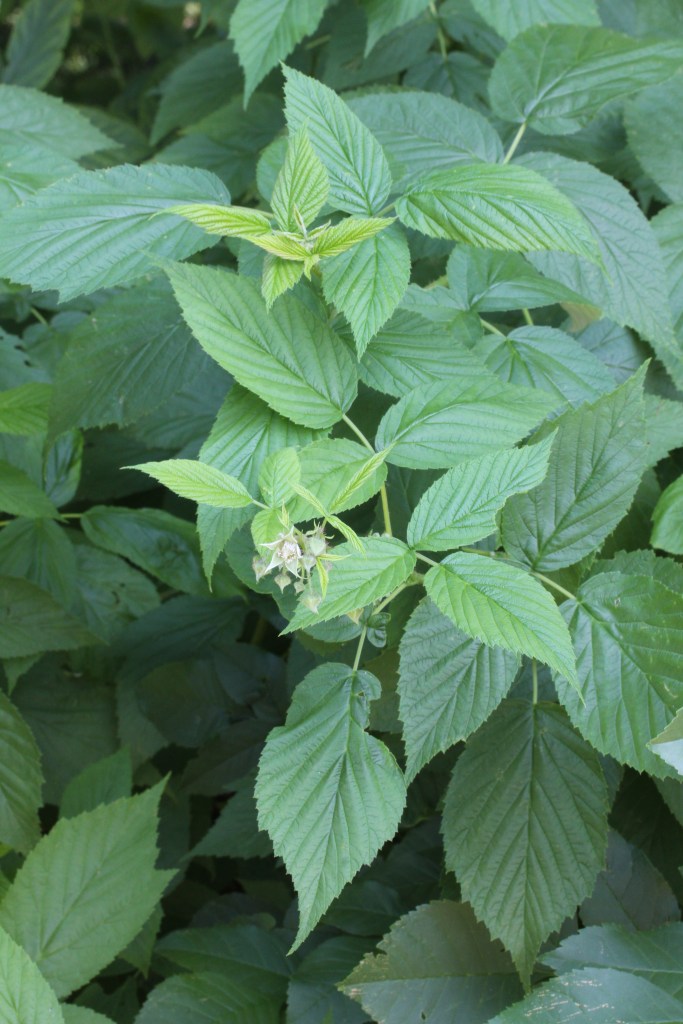
Raspberry is shrubby plant in the rose family that can grow as high as 6 feet tall. You can find it in wastelands, growing wild in the mountains, fields/meadows, as an unwanted thicket in urban areas and in gardens. The perennial root produces shooting stems/canes that live for 1-2 years. Some canes will have a blueish bloom on them and all are covered with fine “hairs” that may irritate the skin. Stems are covered in large alternate, pinnate leaves which are further divided into 3-7 leaflets which are serrated. These oblong/ovate leaflets have a pale/white downy underside. Clusters of white cupped shaped flowers with 5 petals appear in second year. The red edible fruit takes the form of a domed aggregate and is ripe in early or late summer. You will notice that a raspberry has left a bit of its insides on the plant when it has been picked. It appears hollow when you look inside. There are very distinct botanical differences between raspberries and black berries. Rubus prefers full sun but will tolerate some shade and poor/clay soil. It thrives best when well watered.

Historically this herb has been used to treat-nausea, vomiting, diarrhea, anemia, gum disease, , heavy periods, flu, labor pains, cramps, osteoporosis, sore throat, irritated eyes, arthritis, muscle cramps, low milk supply, hemorrhage, organ prolapse, and infertility, As an astringent it makes an excellent toner for the heart and uterus. . When used externally as a wash/poultice it may be helpful for sores, fungal infection, acne, inflamed tissues, varicose veins, and burns.

Although blackberry and red raspberry leaves can be used interchangeably in most cases, I prefer to use blackberry externally and raspberry internally.

Parts used:leaves

Energetics:Sweet, moist, neutral

Element:water

Contraindications: avoid consuming decaying leaves as they may be higer in cyanide.

Herbal Baby Powder and Diaper Rash Cream (CALENDULA)

I don’t have many babies in my life anymore but these were two fun things to make anyway. When choosing ingredients for little ones it is important to choose plants that are non toxic/safe and unlikely to cause allergic reactions. Always do a spot test on a baby’s wrist just in case. Aster allergies are rare. Calendula and chamomile fall into that family. But both are common ingredients in products used with children. I love the ingredients chosen for both of these recipes. They are all gentle yet effective. These herbs also have energies that resonate well with the young.

Herbal Baby Powder

1/8 cup EACH of the following dried herbs-slippery elm bark, calendula flowers, thyme, lavender, and chamomile. Run them through a coffee/spice grinder in batches. Then through a flour sifter to get a fine powder.

1 cup betonite clay

1 cup of arrowroot powder

Combine all of your ingredients, stir well but gently with a spoon (try not to inhale the dust as it settles). Use a funnel to fill a salt shaker or other suitable container. Use as needed on your baby’s bottom. Keep/store away from children.

Diaper Rash Cream

1 cup of calendula infused oil

1/4 cup of plantain infused oil

3/4 cup of beeswax beads

4 TBSP of boiled water

1 tsp of betonite clay

10 drops of lemon EO

5 drops of chamomile EO

Melt the infused oils and beeswax beads in a double boiler.

Stir the clay into the boiled water and mix until smooth. Add in the essential oils. Combine this with the melted ingredients.

Pour into jars or tins. Use as needed.

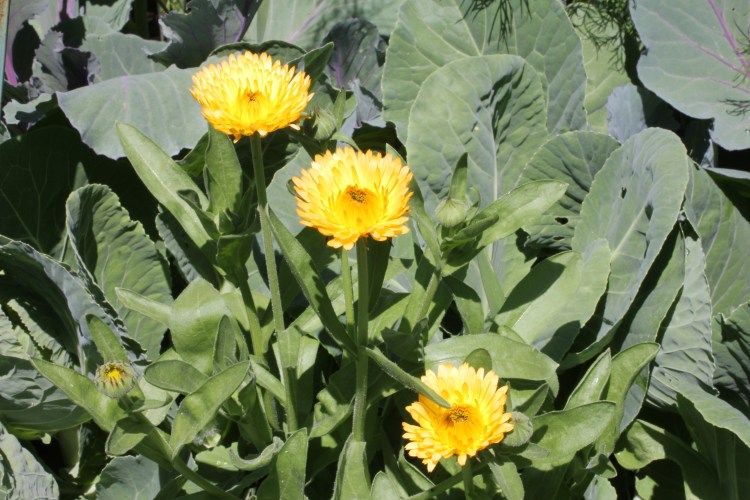
Calendula (pot marigold). Latin name: Calendula officinalis. Family: Aster. This extremely attractive herb has bright yellow/orange medium sized flowers. It has many petaled daisy like ray petals. (single or double) surrounding the darker disk. The entire plant is slightly fuzzy and a lovely shade of jade green. Calendula grows 1-2 feet tall stem that forms many angular branches terminating in a single bud. The leaves are alternate, oval/sword shaped and about 3 inches long. The seeds are very distinctive forming a good sized brown spiney spiral. The blossoms are slightly resinous/sticky and have a certain smell. This easy to grow plant is native to Asia but grows all over the world. It is often a self seeding annual or when the winters are mild, a perennial. It prefers a garden location or area that is open and very sunny. Because it produces so many seeds it can spread and take over very quickly if you do not thin in the spring. Deadheading will give you an overabundance of blooms most of the summer. Calendula will bring a lot of native pollinators into your yard. The flowers are harvested just as they open and work best when they are dried thoroughly soon afterward.

 Calendula is such a versatile and useful plant. One of the few that can be used externally, internally and in food. The plant part harvested for medicine is the bright orange flower. When used internally this herb is thought to clear phlegm, toxins, chronic infection and inflammation. It stimulates white blood cell production and inhibits the growth of several micro organisms. Herbalists have used calendula to treat candida, ulcers, gingivitis, stomach/digestive issues, gastritis, swollen lymph nodes, herpes, painful periods, childhood illnesses, and stimulate the immune system. I use the dried flowers a lot in electuaries and glycerites to support health during the winter. Calendula is thought to have many antiseptic and antibacterial properties. When used externally as a wash, compress, poultice, foot soak, salve, lotion or oil-it can be used to treat many skin conditions. Burns, bug bites, impetigo, ring worm, chilblains, varicose veins, hemorrhoids, ear infections, thrush, diaper rash, eczema, sunburn, warts, callouses, bunions, boils, bruises, chapped skin, athletes foot, dandruff, hair loss, and cradle cap. Historically a cold infusion of calendula has helped those suffering from conjunctivitis/eye infections. The flowers have amazing wound healing properties serving to nourish fragile skin, prevent scars, and form granulation tissue. This plant has been used as a dye for both grains and textiles, similar to saffron. When used as a hair rinse it might bring out highlights in blonde hair. Calendula has some sticky resins and it releases a lot of water when infused. I prefer to use the dried flowers in any preparations that involves an oil, honey, or glycerin base. This insures that there will be no mold. It is one of the few plants that I do not use fresh when making a salve or lotion.

ENERGETICS: bitter, pungent, cool, dry.

ELEMENT: fire

CONTRAINDICATIONS: none except aster allergy.