Homemade Facial Toner (CHAMOMILE)*

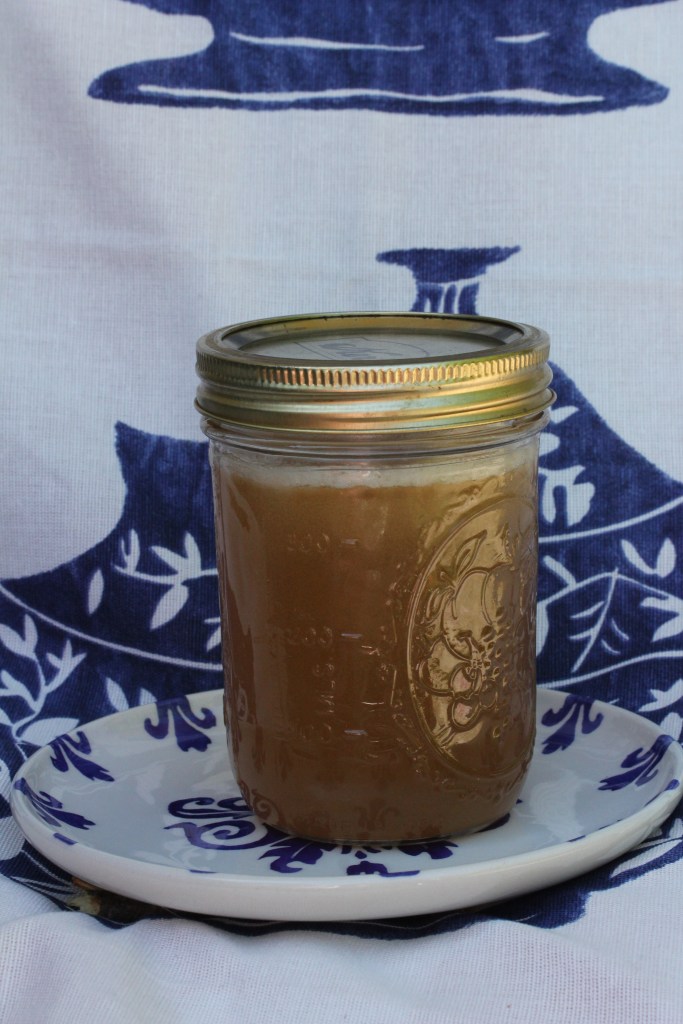
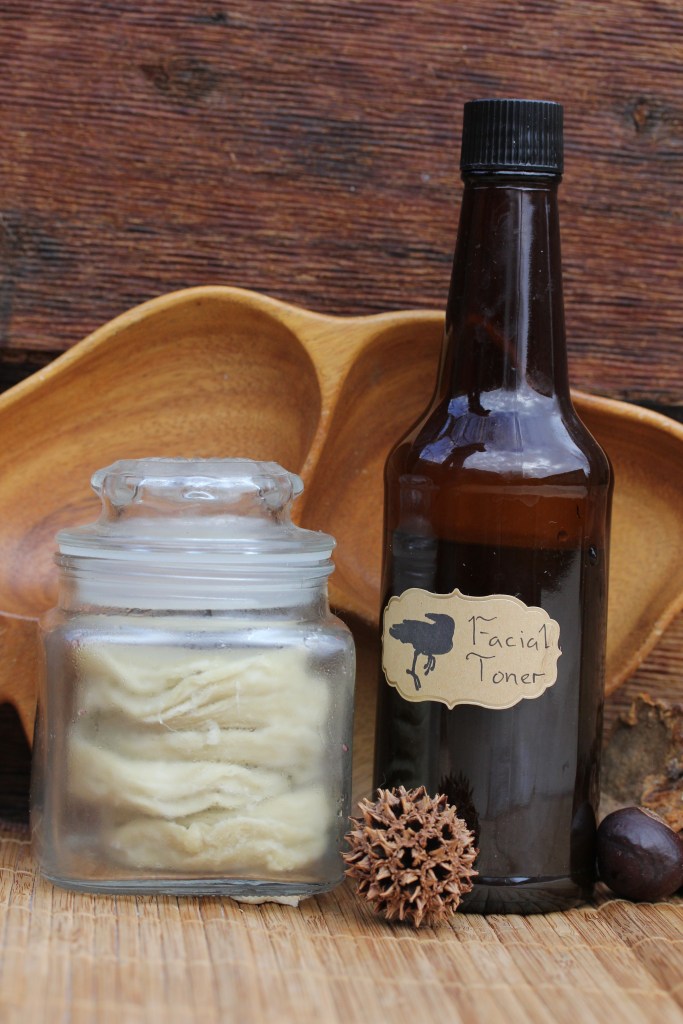
My face has been breaking out a lot lately. It is not related to hormones or oily skin. Rather it is more of a heat condition that I blame on allergies (we have been remodeling) or bacteria (that I picked up and have been spreading by lack of a skin care routine). I am really good at exfoliating, moisturizing, and anti-aging strategies but lazy when it comes to the basics of just cleaning my skin. I find that I am more likely to use pads soaked and stored in the refrigerator (cold and calming) than soap and water (hot and stimulating) This toner contains chamomile, calendula, and yarrow in a base of store bought witch hazel with a bit of rose essential oil. It feels amazing right before bed. In a situation that does not feel normal, where routine is challenging, when sensory input limited to just the computer-this feels almost decadent.

Chamomile-thought to be anti-bacterial, softens the skin and treats inflammation.

Calendula-has been used to promote the healing of tissues, nourish, prevent scars, and encourage circulation to remove toxins.

Yarrow- may help open the pores, clear up oily skin and acne, strengthen fragile tissues.

Witch Hazel- has been used to protect and repair damaged skin, shrink enlarged pores, decrease swelling and edema.

Rose-clears heat, smooths and moisturizes the skin.

Matricaria recutia/chamomilla

German Chamomile. Is an annual. Latin Name -Matricaria recutia/chamomilla. Family-Aster. Sub Family-Anthemideae (aromatic members of the aster family). Like all asters, this plant is missing the green sepals. Instead it has translucent bracts (modified leaves) surrounding the flower head. Numerous tiny five petaled disc flowers fill the yellow round center which is surrounded by a ring of white single petaled ray flowers. Similar to a daisy but much smaller in size and different leaves. Each flower sits a top a short stalk attached to a long leggy stem ( may grow to 24 inches) which has numerous blooms. The alternate leaves are brilliant green, fine, and feathery. Chamomile has a sweet pleasant aroma, almost like apples. Roman chamomile is similar in appearance but shorter and often a ground cover. In the garden this plant prefers any kind of soil, regular watering and full sun for best growth. This cultivar sometimes escapes to be found in pavement cracks or an empty urban lot. Self seeds and spreads easily under the right conditions. Not to be confused with pineapple weed which can be found growing “wild” in many places.

Chamomile contains several volatile oils and constituents that assist the recovery and health of skin or mucous membranes. Studies show that this herb is anti-microbial specifically for candida, staph, strep, e. coli and fugal infections. Compresses, lotions, salves, washes, douches and gargles have been used externally to cool and speed the healing of burns, eczema, acne, dermatitis, insect bites, psoriasis, cracked nipples, bleeding gums, toothache and eye infections. The flowers have a long history of being used in hair products like dye, shampoo and rinses. They have also been used to flavor food, drinks and scent incense, massage oil or dream pillows. Matricaria reduces inflammation, clearing toxins and heat. Herbalists like chamomile as a sedative for insomnia and anxiety. It is very well suited for restless, nervous and hyperactive kids. A weak tea can support cranky, teething, and colicky babies or reduce nightmares and bedwetting in children. A study shows that this herb acts on the smooth muscle of the intestines and uterus, helping them relax and stop spasming/cramping. The flowers of this plant have been used to treat ulcers, gas, heartburn, morning sickness, IBS, indigestion, diarrhea and other digestive upsets. Herbalists use this plant for menstrual pain and migraines related to PMS/hormone shifts. It is thought that chamomile can reduce the pain of rheumatism, sciatica, and lumbago. Inhaling the stream from an infusion clears phlegm and may reduce the symptoms of asthma.

Energetics: Bitter, sweet, moist, neutral.

Element: Water

Contraindications-avoid large doses in pregnancy. Do not use if you are allergic to ragweed or other members of the daisy/aster family.

Spiritual and Emotions Uses:calming when there is restlessness and irritation. Releases emotional tension. Harmony and peace. Stability when one has changing emotional states.
Homegrown Moxie Moxa

Fresh Homegrown Moxa

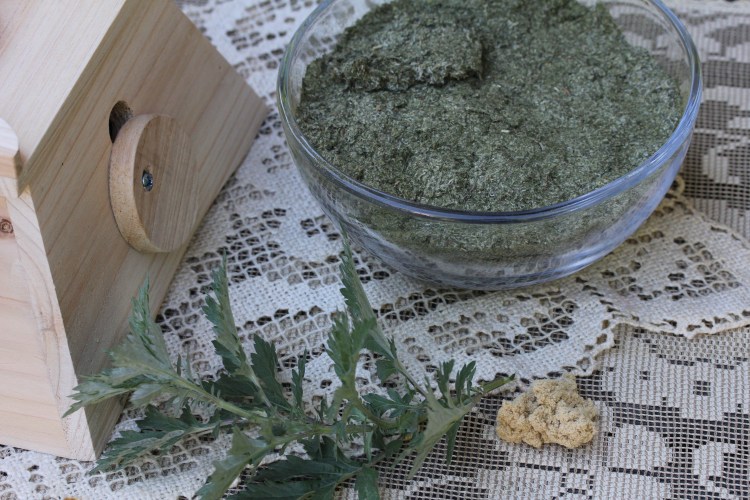
I finally got around to processing my moxa which has been drying in the basement for a couple of months. What is moxa you ask? It is a dried and “powdered” herb that is used in moxibustion. This is a Chinese Medicine therapy that involves burning the herb ( in various forms) while in close contact to the skin. The healing properties are inhaled or absorbed. The Chinese often place the slow burning moxa onto the end of a needle or it comes in the shape of a cigar that is smoldering less than an inch away from the skin. The “heat” is used to move stagnant blood and energy. Once flowing smoothly health is restored. That is a very quick and basic explanation. I will do a more in depth post about moxibustion at a later date. As you can see from the photo above I use a box which can be placed on the back or abdomen.  You can compare the yellow “powder” which can be bought off the internet with my lovely jade green product. Now that I see and smell what I harvested I can’t imagine using anything else. I peeled the leaves off of the stalk and ran them through my food processor to get the perfect consistency for burning.

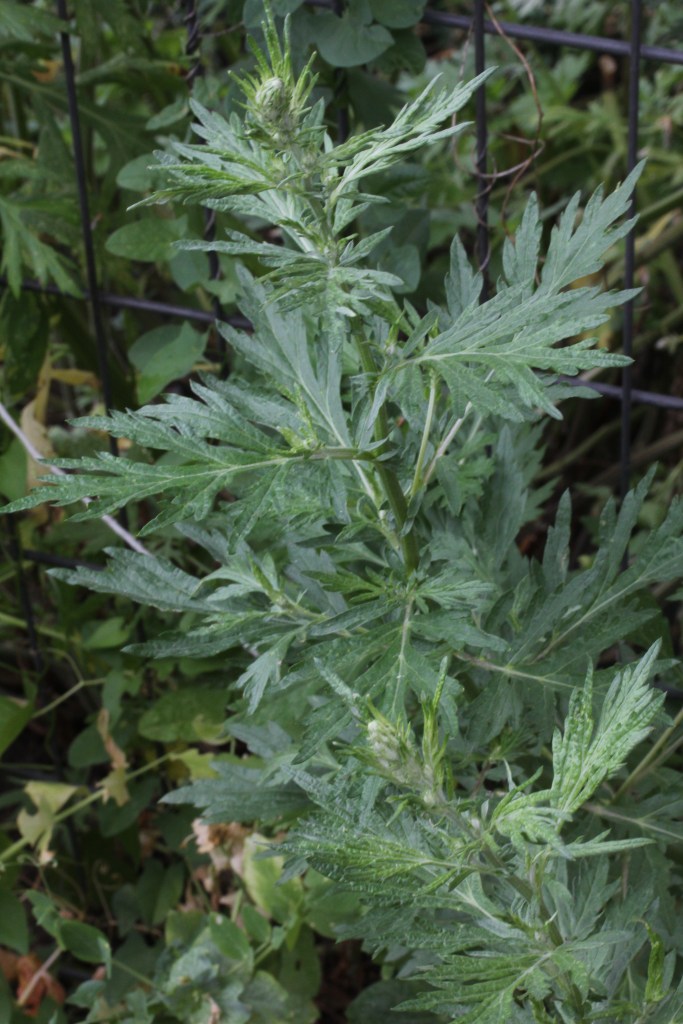
Mugwort/Artemisia Vulgaris


Moxie means fighting spirit. That is what the herb mugwort is, strong! Not only is it used by the Chinese to make moxa but it is very popular in Mexico and the American Southwest. In those cultures it moves energy but in a different way. As incense, tincture, a liniment or limpia/energy clearing spray. In Japan they use it in food. Because I consider it to be such a powerful herb I mostly use it externally. Here is just a small sampling of this plant’s many uses. It is thought to arrests bleeding, clears toxins, and may get rid of parasites. In small amounts it can support digestion and the nerves. It is thought to work against numerous nasty bacteria. Historically it has treated bronchitis, hemmorhage, , hepatitis, gout, headache, paralysis, arthritis, scabies, gallstones, flu, jaundice, warts, hair loss, asthma and tonsillitis.  It can be used in a small pillow to induce vivid dreams, an amulet against unwanted energies, or burned to purify a space.

Mugwort can easily be found growing in the wild like other Artemisia species.  You might even find common mugwort growing in an abandoned lot. It is a large perennial that does not spread. The small flowers are favored by pollinators of all kinds. It is a shame that more people do not have it in their gardens. It is a plant that calls to me. How about you?

Lemon Balm Curd

Homemade Lemon Curd


My eldest daughter is really into baking this year. She is always requesting to have a “lemonade” stand too. It has been a challenge to find quick and easy recipes that meet with her approval or a venue that is safe for her entrepreneurial and charitable spirit.  Lemon Oat Bars have proven to be popular with her and the customers. Lemon curd bought from the store is not nearly as yummy as our version of lemon balm curd that is dairy free.

Lemon Balm Curd

2 cups of coarsely chopped lemon balm

3 cups of boiling water

1 cup of apple juice

2TBSP of rice wine vinegar

2 TBSP of fresh lemon juice

4 cups of sugar

1 packet of pectin

Place the herbs in the large pot of boiling water. Stir, turn off heat, and let steep for 60 minutes.

Strain out and discard the herbs

Add enough apple juice to bring your liquid amount up to 4 cups.

Add in the vinegar, lemon and sugar. Stir and slowly bring to a boil allowing the sugar to fully dissolve.

Bring to a rolling boil. Add in pectin and do not stir

After 1 minute remove from heat, skim and discard any foam. Strain out any lumps.

Pour liquid into jars, let cool completely and screw on lids.

Since you did not do a canning bath with the lemon balm curd you have to refrigerate the jars and use it up within 2-4 weeks. I like to give the “extra” as gifts. One jar is probably enough to do a batch of lemon bars. The curd can be used in place of jelly on bread, with cheese, or to fill baked goods.

Lavender Lemon Bars

You can use any recipe for Lemon Bars or oat bars filled with fruit. I am not including a recipe since we do a lot of substitutions. But I do recommend adding 1tsp of ground dried lavender flowers to the “flour” to give your bars a gourmet touch.

Historically lemon Balm/Melissa calms the heart and lifts the spirit. It is great herb for children who are anxious and struggle with nightmares. Our family enjoys it as a cold summer tea or in a hot bath before bed.  This year I made a salve with it to treat cold sores.

Have you ever used unusual herbs in baked good? Were you pleased with the result?


Roasted Fennel Crusted Chicken

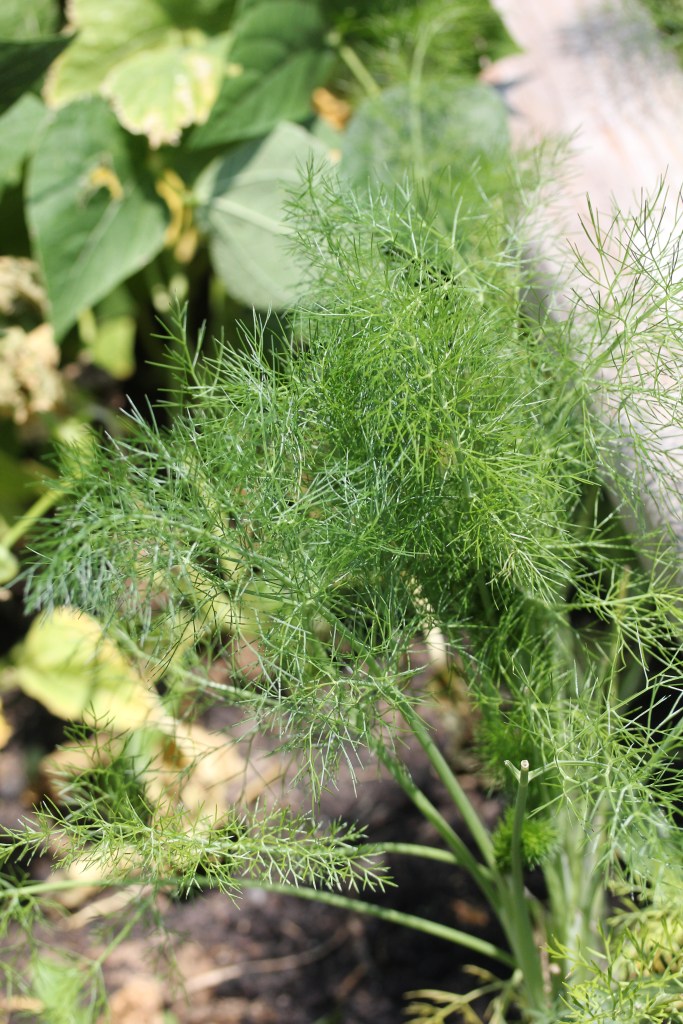
We have amazing raised beds this year, filled with rich black soil. Combine that with the fancy hoops houses my husband build-and we have a big jump on the growing season. I grew lots of fennel last year and one plant overwintered. It is already producing lush green leaves, perfect for a late spring dinner out on our picnic tale. This is a very elegant dish that even kids love. You might have to scrape off some of the green olives and onions for them though. It is super quick and easy to make too. The crushed fennel and other ingredients make a nice crispy topping that is rich and very tasty.

Roasted Fennel Crusted Chicken

Take one whole defrosted chicken and Spatchcook/butterfly it (this is really easy to do and really reduces cooking time, look for instructions on-line). Place it in a large pan for roasting with 1/4 cup pf water in the bottom

On top of the chicken add

Salt and pepper

2 cloves of garlic finely chopped

1/2 cup of white wine

3 TBSP of lemon juice

3TBSP of crushed fennel seeds

3 TBSP of olive oil

1/4 cup chopped parsley

1/2 onion sliced

2 TBSP of pickled capers

1/4-1/2 cup sliced green onions or leeks

garnish with coarsely chopped fresh fennel leaves

Bake for 45-60 minutes , until done. Exact roasting time will depend on your oven and the size of your chicken.

Foeniculum officinale

Foeniculum is a member of the parsley family. It can grow 5-6 feet in height. You will find fennel growing wild or cultivated as a perennial all over the world. When crushed the plant material produces a strong licorice scent. The long carrot shaped root produces a large, white, fleshy “bulb” similar to celery. This stem narrows to produce a handful of finely grooved (sometimes hollow) stalks that are blue green in color transitioning to a brighter shade at the tips. These parts are often used as a more flavorful substitute for celery in soups or stews. The leaves are few in nature but finely pinnate and feathery like a fern. They can grow at the end of long stalks or clustered at the base of the bulb. Fresh or dried they make a nice addition to salads and egg dishes when finely chopped. The flowers form a compound umbel full of lots of yellow pollen. The fruit becomes a hard, green seed that is highly aromatic and used in all kinds of sweet or savory recipes.

Fennel contains several volatile oils which make it a fantastic stimulant for the appetite and digestion. Historically the whole plant has been used to treat colic, gas, indigestion, heartburn, bloating, nausea, vomiting, constipation, and hiccups. As a bitter it aids the digestive system to process fats and assimilate the various components found in food. It stabilizes blood sugar and decongests the liver (jaundice). This plant clears mucous and stagnation. It supports lungs dealing with asthma or bronchitis. Fennel addresses all manner of “menstrual complaints'”. Herbalists have prescribed fennel as a diuretic and to treat kidney stones. An infusion is helpful for laryngitis or hoarseness. A tea is useful for nursing mothers hoping to increase their flow of breastmilk. A decoction can be used as an eyewash for irritation and strain. An oil rub can be applied to sore muscles or to treat rheumatism. As a mouthwash it is very affective for bad breath. Fennel is a gentle herb that works well in formulas for babies and children. It is one of the few Western herbs that can be used to support “spleen” .

Energetics: pungent, sweet, warm, moist

Element: fire

Contraindications: Avoid large/therapeutic doses in pregnancy

Golden MULLEIN Chai

This is the perfect drink for spring days when the weather can be variable. Last week we had several cold, dreary days of rain (and a bit of snow). This tea lifted our mood, warmed our limbs, and moved stagnant energy. Over the weekend it was very sunny and warm. Poured cold from the refrigerator, we had a refreshing beverage after hours pulling weeds from the garden. Make this in large quantities for any situation or occasion that presents over the course of a busy week. I have a Chinese thermos and chai goes perfect in it for a picnic or playdate at the park any time of the year.

Golden Mullein Chai

2 star anise pods crushed

2 TBSP fennel seeds crushed

4 green cardamon pods crushed

1 tsp of turmeric powder

1 -2 TBSP of finely chopped fresh ginger root

1 pinch of powered nutmeg

2 cups of loosely packed whole dried/fresh mullein leaves (washed)

4 cups of milk of your choice

Honey, maple or brown rice syrup to taste

1 tsp of vanilla

Bring your milk to boil over high heat. Reduce to low heat and add in the spices and mullein leaves. Simmer for 30 minutes. Remove from the stove and strain through a wire mesh strainer. If you used dried leaves run the chai through a paper or cloth filter to remove any fine hairs. There is no need to do this extra step if your leaves were fresh. Add in the liquid sweetener and vanilla. Shake or stir well before serving hot or cold. Store in the refrigerator.

Verbascum

Mullein is a hardy biennial in the Scrophulariaceae/figwort family. For the first spring it produces a basal rosette of many large, lance shaped, light green, thick, fuzzy, felt like leaves. The following year Verbascum shoots up a very tall thick, woody, stout stalk with alternate elliptical leaves. Numerous, sessile, bright yellow flowers grow on several cylindrical spikes. Even though Verbascum is invasive and grows easily in the wild it can take a bit of effort to cultivate a usable patch of it. This plant prefers full sun, moderate water and soil with small pebbles/stones. Cut the wands after flowering if you do not want an overabundance of babies the following year. In the wild it prefers disturbed ground and dry soil along roadsides, pastures, fields, ditches or desert foothills.

This plant is best known for treating respiratory conditions. It has saponin that work as an expectorant combined with mucilage which is soothing. Mullein breaks up phlegm, moves lymph, relaxes the bronchial tubes/spasms and prevents infection. It has been used to treat coughs, hoarseness, sore throat, laryngitis, tonsillitis, pleurisy, pneumonia, bronchitis, and asthma. This herb also has an affinity for the kidneys and urinary tract. If you have dry, irritated, atrophied, tissues of any type including joints that need lubricating or are swollen, consider this remedy.

Historically mullein had bee used to treat insomnia, anxiety, malabsorption, stomach cramps, a sluggish lymphatic system, slipped discs, back injuries, broken bones, diarrhea, hemorrhoids, swollen glands, plantar fasciitis, chilblains, cystitis, incontinence, the flu, allergies and mastitis.

The flowers infused in oil are a classic treatment for earache and infection or rheumatism. A poultice of the fresh leaves can be applied to boils, acne, eczema, bruising, abscesses open/bleeding wounds and sores or to remove splinters. In ancient times the long dry stock was dipped in tallow and used as a torch. Fresh mullein leaves make excellent emergency diapers or toilet paper.

Parts used: leaves (astringent) or flowers (demulcent)

Energetics: sweet and bitter, cool, moist

Element: fire and water

Contraindications: the tiny hairs on the dried leaves can irritate the throat. Infusions should be strained through a filter or cloth. Use with caution if you have liver problems or take blood thinners.