Self Care Sunday:Caring for your face

In an ideal world another woman would have taught you how to care for your face when you turned 13. All the suffering and trauma around acne and blackheads might have been prevented during those years transitioning into adulthood. Peri-menopause is another missed opportunity for learning how to care for mature skin. Eventually nothing can stop the appearance of wrinkles but it is never too late to nourish your skin, improving its texture and appearance. Here are some really simple home remedies to add to your skin care routine.

Facials with yogurt, lemon juice, papaya seeds, aloe vera gel , honey, egg yolk, brewer’s yeast, red wine, pumpkin puree, cocoa powder, blueberries, bananas, coconut oil, avocado, rice water, or nori. These ingredients can cleanse, nourish, moisten, fade spots, remove dead skin, boost cell regeneration, increase collagen production, even out your skin tone, rejuvenate and add a brighter look to your face.

Scrubs with finely ground coffee, almonds, oats, brown sugar along with warming spices like star anise, ginger, cinnamon, and turmeric. These ingredients can remove dry/old skin cells, open pores, bring blood to the surface, stimulate the healing of scars/acne/dark spots, remove dirt/sebum/oils, smoothes skin, prevents ingrown hairs and bring a nice glow/luster to your countenance.

Clays like french green or bentonite can be mixed with finely ground cooling herbs like basil, mallow leaves, mint. Clay can clear heat, cleanse, shrink pores, and speed the resolution of “trouble spots”.

Toners/astringents can be made at home with a base of apple cider vinegar, witch hazel, or rose water. Infuse in elder flowers, chamomile, fennel, aloe, rosemary, hibiscus, or green tea. These ingredients can tighten sagging skin, reduce the size of large pores, helps the skin retain moisture, and soothe/refresh.

Castor oil is a little known secret for removing makeup, dissolving sebum, preventing dry skin, and reducing break outs.

Serums and infused oils (coconut, jojoba, argan, evening primrose, carrot seed, rose hip, and avocado) including plants like, clary sage, calendula, lemon balm, burdock, comfrey, or yarrow.

Slices of potatoes, tomatoes, or cucumber can soothe, relief puffiness around the eyes, eliminate eye bags or dark circles, and relax tight tissues.

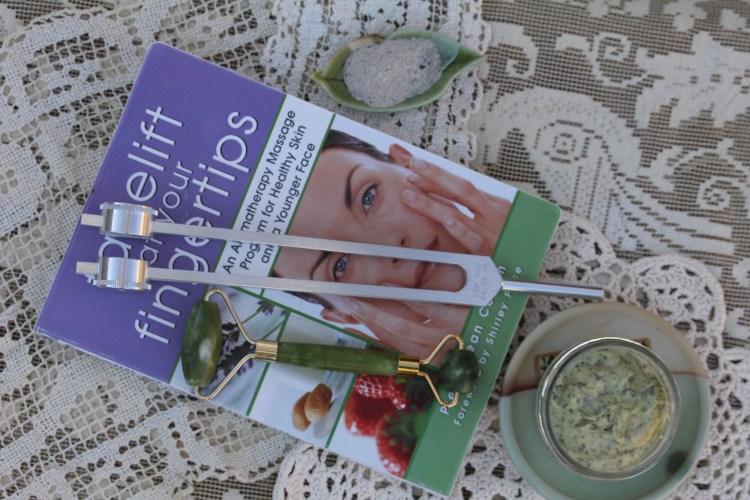
Tools on the market to increase circulation, remove heat/stagnation, improve skin texture, reduce the appearance of wrinkles/scars/hyperpigmentation, and stimulate collagen production. Look for jade rollers, weighted tuning forks, or microneedling/derma rollers

Facial steams with herbs like lavender, mint, rose, and sage can loosen dirt and debris, assist the removal of blackheads and whiteheads, hydrate the skin, and allow other products to penetrate deeper.

Massage, acupressure, exercises can reduce the appearance of wrinkles, improve skin tone/elasticity, and release areas where you hold tension/bad habits.

Sunscreen used daily can postpone the appearance of wrinkles and age spots.

Diets low in fat and animal products with hormones can reduce the load on your liver. A strong liver can process toxins and hormones that lead to sking problems. Support this organ further with a daily of dandelion or burdock root.

What DIY products do you use in your skin care routine?
The Oils Have It (ANGELICA)

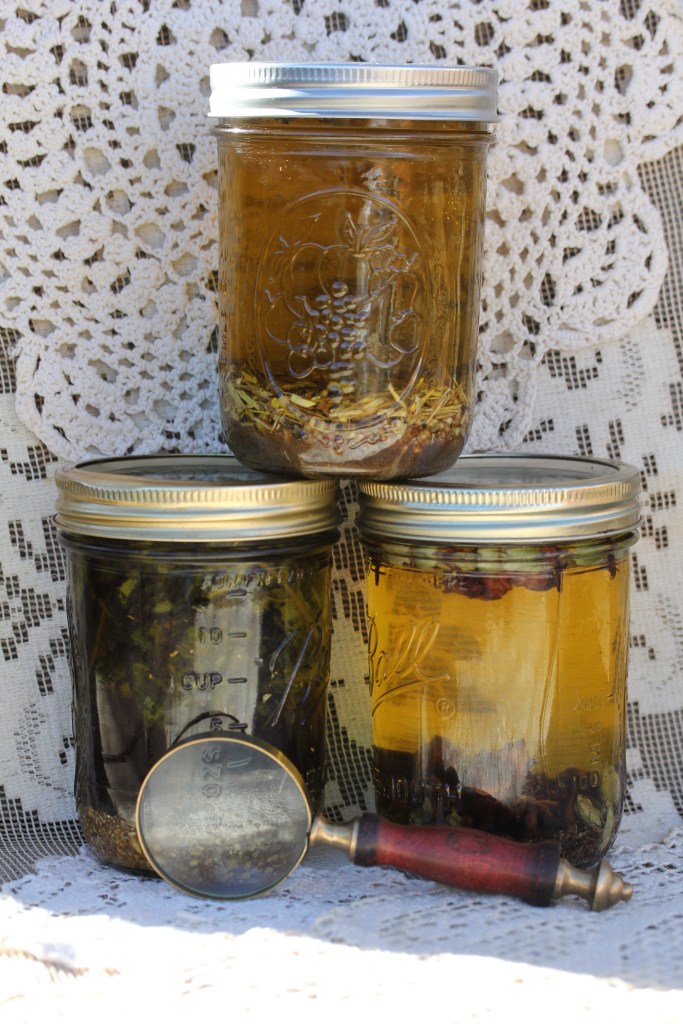
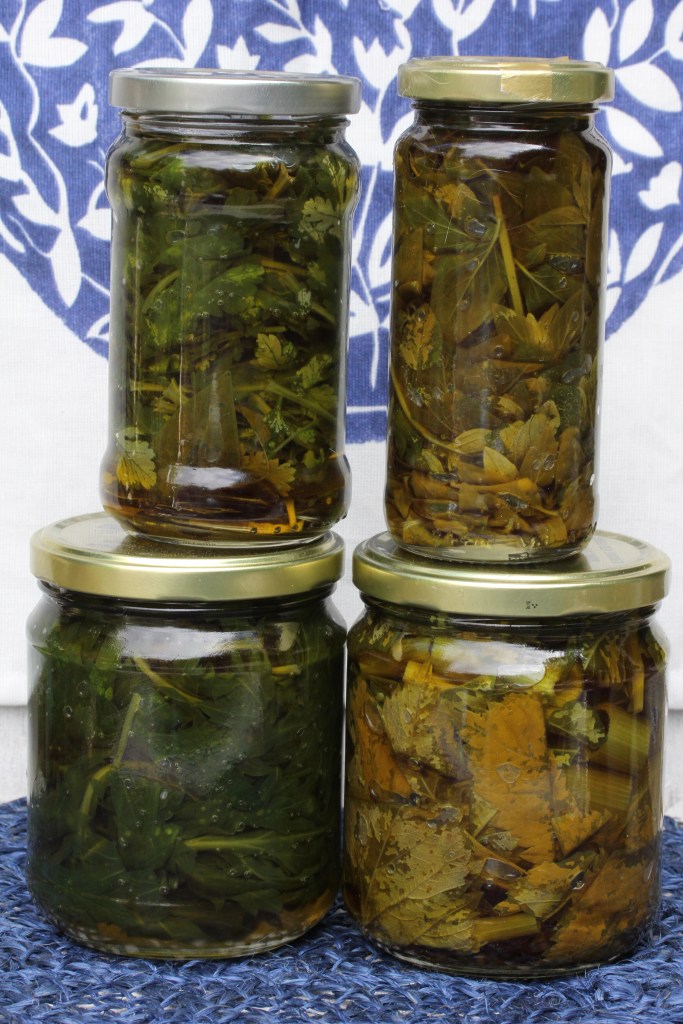
Winter is my break from the pharmacy. Summer feels like a frantic race to harvest and process a lot of plants. This week I finally had the chance to get my oils into new amber bottles after straining them two weeks ago. As I poured all of these oils, I noticed a lot of sludge and large bubbles of water at the bottom of their jars. I have been infusing oils for 25 years and with the exception of fresh calendula flowers, which are dense and resinous, have ever had an oil mold or go off. The use of pure organic olive oil works well with both fresh and dried plant material. It insures a lovely result even when I strain past six weeks or the oil is several years old.

The only factors that I can attribute to this new problem are…

I used an olive oil that was not pure. It is getting hard to find olive oil grown and processed in the US at my grocery store.

I tarted the infusions on a full moon, when water content tends to be higher in plants

There had been a recent storm or higher humidity level

I did an early fall harvest instead of mid summer

The use of “wetter” herbs that I have not infused in years past

Harvesting plant material that was not fully dry. Maybe I should try “wilting” them a bit in the sun.

I ruptured cell walls during processing- releasing water by “cutting” materials down to fit in jar OR squeezing them too much with the press ( I think this is the most likely explanation as all the jars had the same problem and this was the first time I decided not to strain by hand).

I should not have waited strain four months to strain

The following oils were new experiments for me

Dandelion

Angelica

Plantain

Mugwort

Lemon Balm

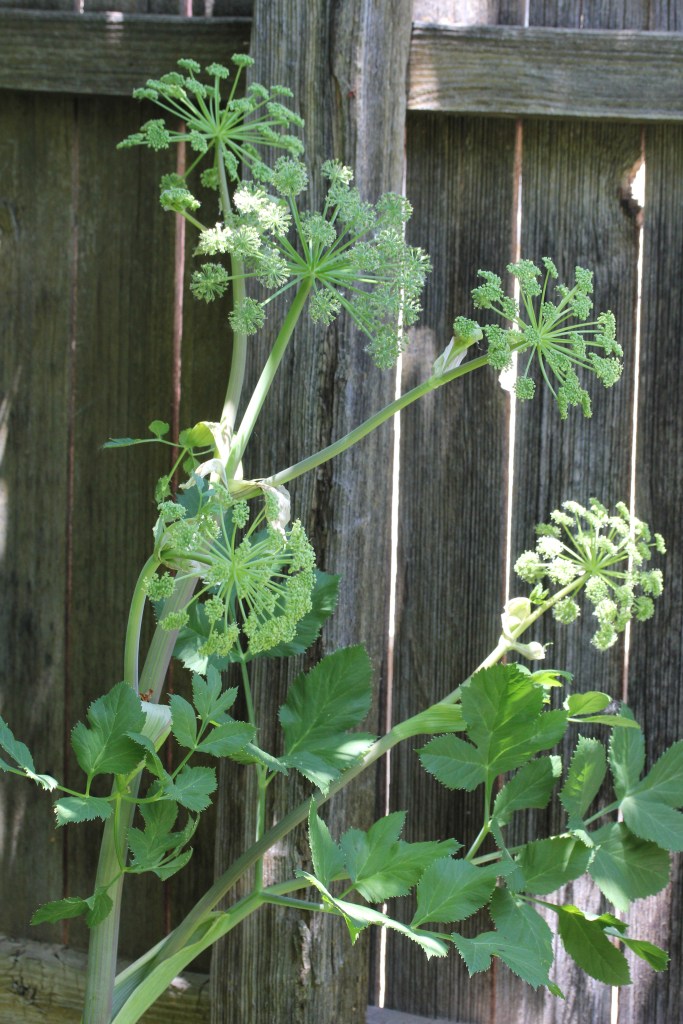
Angelica archangelica is a biennial/perennial plant in the parsley family. It very important to be sure of with identification for any plants in this family as it includes poison hemlock and hogweed, which are poisonous. Angelica grows well in most urban gardens. In the wild it prefers environments that are damp-swamps and marshes or well watered by rivers or streams. This plant grows 3-10 feet high. The stem is tall, thick, hollow, grooved, and tends to branch at the top. It is bright green with a blue/white matt like bloom. It’s few leaves grow from the stem as a sheath similar to celery. These can be quite large , triple divided and pinnate in shape. The pale green flowers grow as a large , spherical, compound umbel at the top of the plant . The “fruit” are green, oblong and similar to fennel but as they dry burst into yellow two winged seeds. The roots are red to brown. Like most members in its family, the whole plant has a very distinctive smell and taste. Angelica is sweet, spicey, and agreeable with a bitter aftertaste. All parts of this herb have been used as medicine.

Angelica has been used to address all manner of complaints related to the digestive and respiratory systems. It may provide relief for gas, ulcers, indigestion, colic, stomach cramps, vomiting, coughs, colds, asthma, bronchitis, It has a historical use in treating retained placenta, weak kidneys or spleen, headache, poor appetite, water retention, anemia, poor circulation in the hands or feet, painful periods or menstrual problems, urinary tract infections, the flu, and motion sickness.

Externally as a salve, lotion, or wash- Angelica has been used for rheumatism, muscle cramps, wounds, scabies, itchy skin, gout, arthritis, and electric shock.

Studies have shown this herb to be anti-fungal , anti-bacterial and anti-microbial. Useful as an anti-septic or antibiotic.

The stems are candied for desserts and the leaves pair well with seafood or soup.

Contraindications:large dose or therapeutic prolonged use can have a negative effect on blood pressure, respiratory rate and heart action. Do not take during pregnancy, if you are diabetic, with a high fever, have a bleeding disorder/hemorrhage. Use only the dry root.

Self Care Sunday :Self Massage with Constitutional Oils.

Constitutional Massage Oils

The concepts of constitutions (metabolic style, physical appearance, personality) ,humors (essences with a physical form like “blood”, “bile” or “phlegm” ) and the five elements (earth, fire, water, air space) exist in numerous cultures. If we follow a strict diet, adopt an specific lifestyle, live in a favorable surroundings and engage in certain rituals/practices there will be balance and wellness when life changes.

Here are some signs that your constitution could use some support or that there is some level of disharmony in your environment-nightmares/struggles with sleep, digestive issues/food sensitivities, skin issues (rashes, hives eczema), “bad luck”/accidents/obstacles, conflict with others, apathy, anxiety, social isolation, fatigue, chronic health issues that do not resolve with medical treatment, heart palpitations, feeling dizzy or light headed.

Self massage with oils tailored to our constitution or an imbalance in the humors/elements will keep our physical body, mind, and spirit/emotions healthy. Self massage can take the form of an overall application of oil over the entire body as if using lotion, a deep stimulation of muscle issues as if in a therapeutic setting, or stimulation over specific points as medical need or spiritual practice dictate.

Benefits in the form of

stimulation- of tissues in order to move wastes, lymph, blood, and stagnant energy.

aromatherapy– if oils are scented.

nourishment-moisture, cooling/heating for the skin and tissues.

medicine- if oils are infused with herbs.

therapy– to address tight muscles, misaligned structures, energy points, injury, scar tissue, and stress.

spiritual/emotional support– to heal trauma, promote relaxation, or as part of of ritual practice.

Problems in one area such as the emotional body may move to create disharmony in another such as the physical body. Something subtle, acute or exterior if not addressed can eventually move deep into the interior where it affect an organ.

Constitutional Types (just pick the one you most resemble now)

Wind”-thin, moderate or tall in height, olive/brown skin, dark eyes, dry/rough/cracking skin and hair, sensitive to cold, creative/innovative, has thoughts never stop, nervous/anxious/insecure, impatient/restless, (ignorance), light sleep/prone to insomnia, very active (fast), spends money too easily/does not have enough. Health problem- premature aging, constipation, gas/bloating, anxiety, poor weight gain, joint/nerve/back pain, or cramps.

“Fire”-muscular, average or short in height, yellow or reddish skin often with moles, oily skin/hair, sensitive to heat, gray/red/blonde hair, intelligent/sharp, aggressive/competitive /irritable, envious/jealous/proud (anger), can survive on little sleep, athletic, spends money only on important things. Health problems-liver/gall bladder issues, ulcers, acid reflux, nausea, inflammation, hives/rashes/acne/, headaches, or heart disease.

“Water”-stocky/muscular or heavy, pale or fair skin, thick, wavy hair, calm/steady/slow/lazy, caring/gentle/patient/compassionate, dependable/loyal, humble, balanced, greedy/attached (desire), requires deep sleep, has lots of wealth/likes to save money. Health problems-bronchitis, sinus infections, asthma, kidney/bladder issues, tumors/growths, poor circulation, edema, or weight gain.

Ingredients if you are prone to…….

Wind-use untoasted sesame oil or almond oil infused with sweet and warming spices (clove, nutmeg, cardamon). Massage over kidneys and your knees.

Fire- use sesame or olive oil infused with cooling and cleansing herbs (dandelion, chickweed, coriander). Massage over liver and gallbladder.

Water-use sunflower or safflower oil infused with clearing and moving herbs (ginger, fennel, mullein). Massage over your spleen and lungs.

Target areas

The face

The shoulders and back

The hands and feet

The joints

The abdomen (including digestive and reproductive organs)

Types/Techniques

Lymphatic-very light strokes that go towards the heart and stimulate areas where there are lines of lymph nodes.

Deep tissue-strong, firm pressure applied to muscles or areas that are tight or sore. Using the thumbs or knuckles to wring, knead, and rolls the tissues.

Effleurage– circular motion made with the palm of the hand that can be gentle ,pleasant and relaxing.

Anointing -similar to applying lotion but with a sacred, purifying or ritual intent. Often includes the use of essential oils or pleasant smelling herbs.

Using the fingers to tap lightly or a cupped hand to percuss strongly are also options for stimulating the movement of stuck “energy”.

Massage can easily be done at home to care for yourself during stressful times. There will be future posts on other practices of self care to come.

Are you aware of your constitutional type? How do you stay in balance during life or seasonal changes?

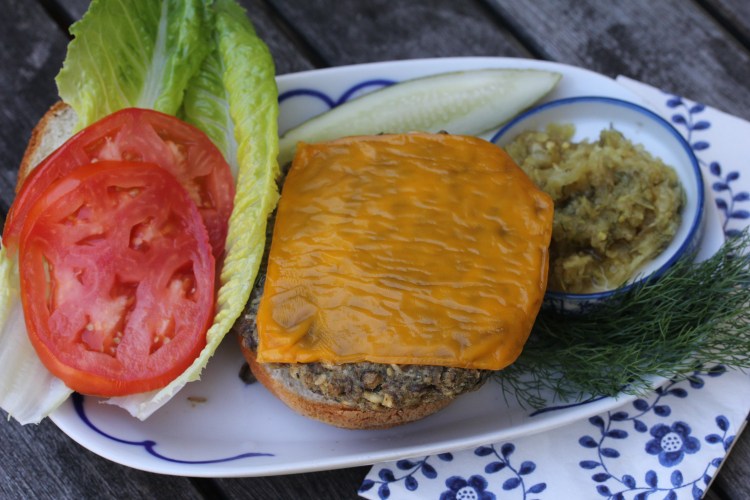
Lentil Burger with Pickled FENNEL Slaw

Fennel is an under appreciated medicinal plant and vegetable in America. It is mild enough to treat infant colic but one of the few Western herbs strong enough address an adult’s weak “spleen”. One has to appreciate its mild anise flavor to enjoy it in food. But if you like the taste, it can add magic when raw in a salad or cooked in a stew. Use it to replace celery in any recipe. This fennel slaw has all the right flavors-sweet, sour, fresh, and spicy. It works really well on top of something bland like a lentil burger.

Fennel Slaw

1 cup of raw fennel bulb grated

1 cup of raw celery grated

1 pinch of curry powder

1 pinch of ginger powder

1 pinch of cinnamon

1 pinch of clove powder

1 pinch of red chile seeds

1 cup of rice wine vinegar, boiled and allowed to cool for five minutes

1 TBSP of sugar

1 TBSP of finely chopped fennel leaves

In a large bowl mix all of the above ingredients together with a spoon. Place into a large jar, allow to fully cool without the lid. Seal and place in the refrigerator for one week. Then you can open and enjoy as a condiment/relish. Keep cold. Will last if refrigerated for at least one year.

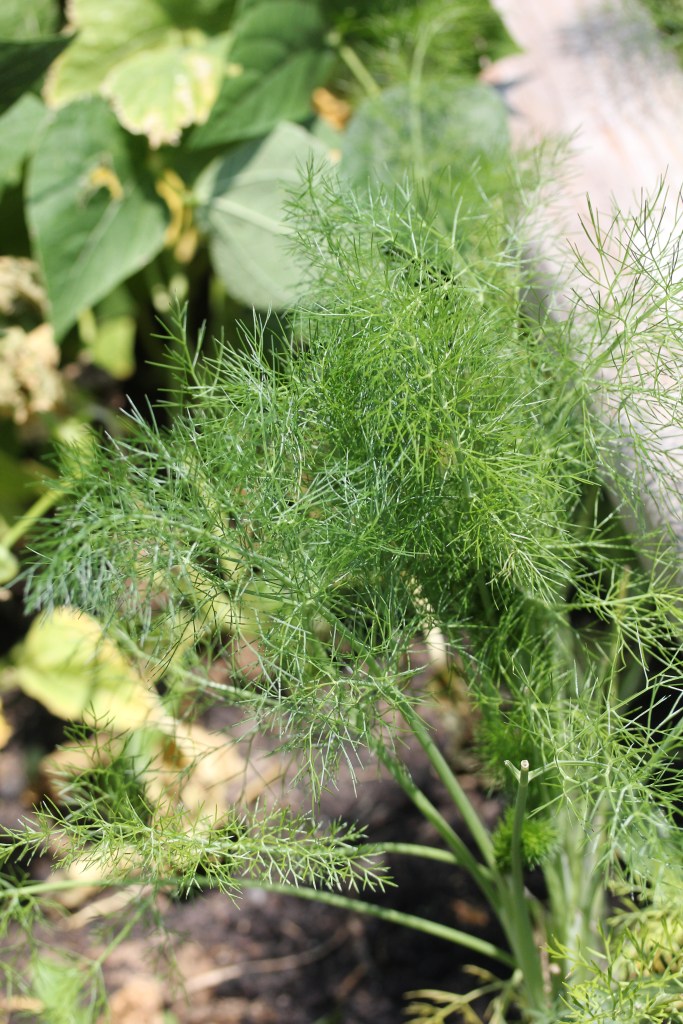
Foeniculum is a member of the parsley/carrot family that is often found in colonies. It is important to identify this herb accurately, even if growing in an urban yard or garden. Warmer climates produce a perennial almost 5 feet tall. A carrot shaped root is below the ground. When very mature the stem can form a large white “bulb” (like celery) at its base. There are 2-5 hollow, pithy, finely grooved bright/jade green stalks with bluish stripes. Some plants appear to have a waxy/white “bloom”. The leaves grow from the center/basal (immature) or branch off upper stalks as wide alternate sheaths (mature) that wrap around the outside. Leaf shape is pinnate, very compound, and constructed of numerous threadlike filiform segments (like some ferns or asparagus). Compound umbels produce yellow flowers in late summer or early fall. When cut, torn, or rubbed the plant parts produce a strong licorice scent. Fennel seeds are light green (becoming a bit yellow as they dry/mature) oblong, dense and a good size.

Caution: Poison hemlock and fennel are easy to confuse. Hemlock will have purple blotches/spots on the stalks, leaves that lacy/broader/more triangular, white flowers, and an unpleasant smell. Poison hemlock and young dying fennel in the fall can be especially hard to tell apart. When in doubt crush plant material or seeds with the foot and smell.

Foeniculum is well know as a remedy for stomach and intestinal complaints. It has been used to treat abdominal cramps, bloating, indigestion, nausea, constipation, heartburn, bad breath, gas, and colic. It expels mucus, relaxes bronchi and clears congestion in the lungs. It relieves a horse throat, moves stagnation in the liver, and increases the flow of breast milk. This herb may help stabilize blood sugar levels, Chewing dried fennel seeds stimulates the digestive juices, helps digest fats, assists in the assimilation of food and treats bad breath. As an infusion it serves as a diuretic for kidney stones and gout. As a weak tea it can lower fever, reduce teething pain, and stop hiccups in children.

Parts Used: Leaves and seeds

Energetics: sweet, warm, moist

Element: fire

Spiritual and Emotional Uses: To move stagnant energy and bring sweetness and freshness back into life. To restore trust, security and purity to a relationship. To repel negative energies.

Contraindications: Avoid therapeutic doses in pregnancy. Excess consumption can stimulate the nervous system.

Self Care Sunday:The Bath*

Baths are an ideal self care practice. They easily allow us to take charge of our own healing. Bathing has a long, multicultural history of- cleaning, purifying, discharging, rejuvenating, sanctifying, restoring, connecting , stimulating, cooling, heating, celebrating, replacing, nullifying, resolving, clarifying, repairing, blessing, balancing, transforming, regulating and proving communion with various forces.

Types

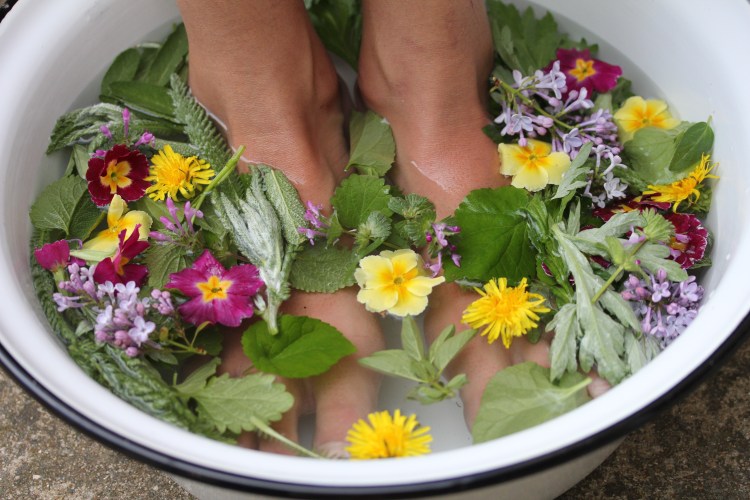
Foot-warms, eases soreness or moves stagnant energy that can lead to pain and water retention. A great choice in the winter if you have poor circulation (bay, clove, cardamon). Very soothing if you are on your feet all day (mint, basil, lavender, calendula). Directions-Self macerate whole fresh herbs in a large bowl. Add several cups of boiling water mix in lukewarm water until you have the desired temperature. Test before submersion to avoid burns. Remove and compost plant material when done.

Sitz-heals, tones and soothes tissues. Treats infection, inflammation, irritation and disease. Directions-similar to a foot bath. You can rest the bowl on the lip of a toilet, sit in the bowl to submerge your bottom, or do a half bath in the top. Make sure to keep any parts not getting wet covered and warm.

Immersion-is used to simulate death and rebirth. Done in oceans, rivers or lakes so that the entire body can be plunged beneath the surface, floated, surrounded, or covered with water. Often very cold to open pores and shock the system.

Soaks in hot springs, mineral/salt water for therapeutic purposes. Usually very hot.

Ingredients

Oatmeal for itchy skin

Sea salt to open pores

Epsom salt for water retention

Vinegar for fugal and bacterial infections

Ginger powder for aches due to the flu

Fresh herbs. If you have skin issues try calendula or hyssop. For Insomnia/fear try lemon balm or lavender. Children enjoy rose or chamomile. To ease congestion in the lungs try peppermint or thyme. Rosemary or sage will increase your energy. Red raspberry leaves to tighten the tissues.

Actions as

Aromatherapy

Ritual

Medicinal-to relieve symtoms

Physical-to stimulate, detox, relax

Emotional/Spiritual

If plant material is left in direct contact with white grout, porcelain, or ceramics it can stain. I prefer to make a good amount of strong tea to add or steep a sock/muslin bag of herbs in the water. This also prevents the need to clean up the tub, prevent herbs from going down the drain, remove bits from your body afterwards.

Avoid drafts and chilling after your bath. Wrapping yourself in a robe or blankets can induce sweating which also has a therapeutic benefit. Follow up with a cup of hot tea or warm milk for a night of restful sleep.

While bathing you should imagine that the water heals, releases, and carries anything unwanted away (fear, anger, grief, trauma, pain, exhaustion, stress, confusion, toxins).

What is your favorite ingredient to add to the bath? Please share this post so that other women can benefit from this knowledge during these difficult times.