Conifer Cookies

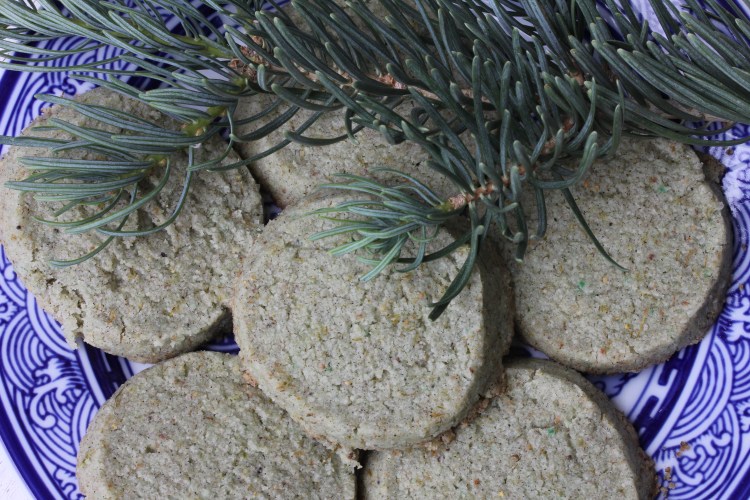
I associate cookies and baking with the holidays. This recipe brings to mind the crisp feel, taste, and smell of a winter forrest. Spruce and fir tips are picked in the spring. You must freeze them if you plan to use them at other times of the year.

Conifer Cookies

1/2 cup of spruce or fir tips, which you will finely grind in a food processor

1 cup of buckwheat flour

1/2 cup of rice flour

1/2 cup of almond flour

2 tsp of dried orange peel, 5 drops of orange essential oil or 2 tsp of fresh orange zest

1/2 cup of sugar

1/4 tsp of ground cardamon

1/8 tsp of sea salt

1 cup pf butter or butter substitute softened (do not use anything that has coconut oil in it)

Cream the butter and sugar together. Set aside in a small bowl

Add and mix the flours, cardamon, and salt in a large bowl

Add the small bowl to the large one. Mix in your orange peel etc. Stir. Fold in the conifer tips.

Form the dough into a ball. Wrap in parchment or wax paper. Roll into a 1.5 inch cylinder. Chill for 1-4 hours.

When ready to bake, unwrap the dough and slice into rounds that are a little less than 1 cm. thick.

Place on a parchment lined cookie sheet. Bake at 350 for 12-15 minutes. You are going for texture not color. The cookies will not be a golden brown but they will hold together and crumble when eaten. They should not be soft nor “snap” like an English biscuit.

Picea

I recommend that you harvest only pine, fir, or spruce when making medicine or food. Some species of conifers could be toxic when consumed internally. It is best to use a field guide for identifying trees so I will not attempt the botany and descriptions in this post. Conifers have needles instead of leaves, “cones instead of flowers”, resins, and highly aromatic essential oils.

Those conifers with a historical use as medicine tend to be similar in their properties and uses. You will find them in syrups for cough, laryngitis and flu. An infusion can be made for indigestion and fever. As a bath they promote sweating and sooth aching muscles. A liniment can be used for arthritis, sciatica, and rheumatism. Steam inhalation can be helpful for congestion and sinus infections. Ointments and poultices have a history of treating wounds, eczema, boils, acne, and splinters. Tips are particularly high in vitamin C and have been used for blot clots and scurvy.

Contraindications. Use sparingly. Avoid if you have issues with your kidneys. Contact dermatitis may result from contact with the bark or pitch.

This year I used fir tips in a tincture and simple syrup. They make fantastic pickles, similar to capers in dishes that include wild salmon as a main ingredient.

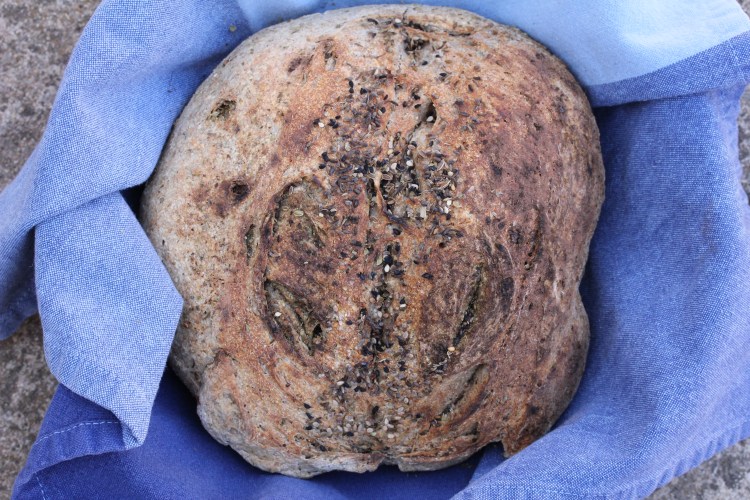
Rustic Crockpot Herb Bread (Fennel)

Lunch

Homemade bread is a very popular thing to bake right now. I have the ingredients and desire to eat it, but not the time to cook. This is a perfect way to introduce children to the process of making bread. Our family loves this loaf on the side with a big bowl of soup.

Rustic Crockpot Bread

3 1/2 cups bread flour-room temperature

2 1/4 tsp of instant yeast/1 envelope-room temperature

1 tsp of sugar

1 1/2 tsp of salt

1 1/2 cups of warm water

herbs and seeds to garnish

In a small bowl combine the yeast, sugar, and 3 TBSP of warm water. Stir well and let sit for five minutes. When the mixture is thick and foamy it is ready (your yeast is alive/active) and will cause your bread to rise. If this does not happen the yeast is no good.

In a large bowl combine, the flour, yeast mixture, and salt. Slowly pour in the water and stir until well blended. Grease a second large bowl. Knead and form the dough into a ball, place it into the bowl. Cover the bowl with plastic wrap or a wet towel. Let sit on the counter overnight, 8-18 hours.

Set your 6 quart slow cooker onto high temperature.

Turn the dough out onto a lightly floured surface. Flour your hands. Lightly flatten, fold/tuck, and form into a ball. Shape into a round or loaf.

Place your dough onto a square of parchment paper. Make a shallow slit on the top of the loaf and fill with a mixture of dried herbs and seeds (flax, sesame, ajwan, fennel, dill, caraway, thyme, oregano, kala jeera, basil, chia etc.). Lift the paper by the corners and put your bread into the slow cooker. Press the paper against the sides of the cooker.

Place a double layer of paper towel under the lid to prevent condensation from dripping on the loaf. Bake for 1 hour. Check the loaf temperature. You may need to do this every 30 minutes for up to 2.5 hours depending on your crockpot. Record the time you needed to remove the loaf for future reference.

Bread is done when an internal temperature of 190-200 degrees Fahrenheit has been reached. The top should feel soft but not spongy. Lift the bread by the parchment. The bottom should be hard, sound hollow when tapped with a finger, and be golden brown.

If you wish to have a harder/rustic crust on your bread set the loaf on the middle rack of your oven. Broil for 3-5 minutes. Check often to avoid scorching the top too much.

Cool completely before slicing

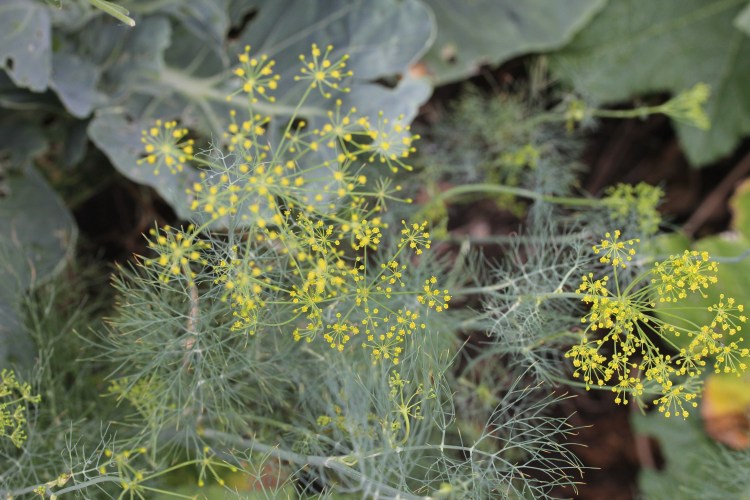
Foeniculum is a member of the parsley family. It can grow 5-6 feet in height. You will find fennel growing wild or cultivated as a perennial all over the world. When crushed the plant material produces a strong licorice scent. The long carrot shaped root produces a large, white, fleshy “bulb” similar to celery. This stem narrows to produce a handful of finely grooved (sometimes hollow) stalks that are blue green in color transitioning to a brighter shade at the tips. These parts are often used as a more flavorful substitute for celery in soups or stews. The leaves are few in nature but finely pinnate and feathery like a fern. They can grow at the end of long stalks or clustered at the base of the bulb. Fresh or dried they make a nice addition to salads and egg dishes when finely chopped. The flowers form a compound umbel full of lots of yellow pollen. The fruit becomes a hard, green seed that is highly aromatic and used in all kinds of sweet or savory recipes.

Foeniculum officinale

Fennel contains several volatile oils which make it a fantastic stimulant for the appetite and digestion. Historically the whole plant has been used to treat colic, gas, indigestion, heartburn, bloating, nausea, vomiting, constipation, and hiccups. As a bitter it aids the digestive system to process fats and assimilate the various components found in food. It stabilizes blood sugar and decongests the liver (jaundice). This plant clears mucous and stagnation. It supports lungs dealing with asthma or bronchitis. Fennel addresses all manner of “menstrual complaints'”. Herbalists have prescribed fennel as a diuretic and to treat kidney stones. An infusion is helpful for laryngitis or hoarseness. A tea is useful for nursing mothers hoping to increase their flow of breastmilk. A decoction can be used as an eyewash for irritation and strain. An oil rub can be applied to sore muscles or to treat rheumatism. As a mouthwash it is very affective for bad breath. Fennel is a gentle herb that works well in formulas for babies and children.

Contraindications: large/therapeutic doses in pregnancy.

Mushroom and Thyme Pot Pie

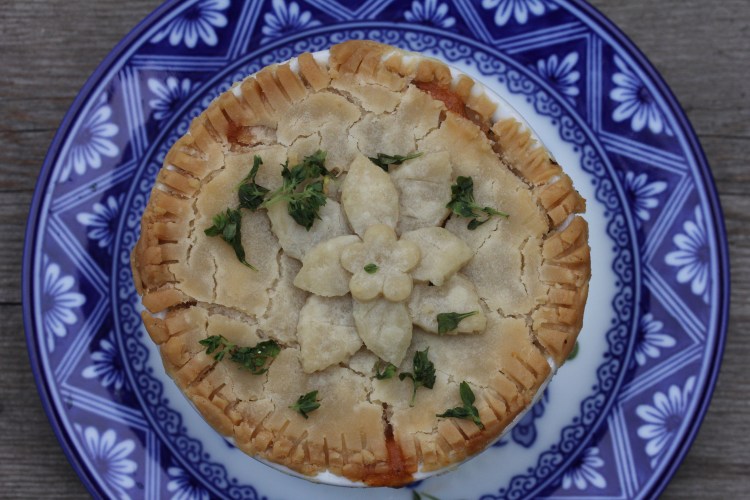
Tis the season for family, festivities, and warm filling meals (even if you are following guidelines and staying safe). Think about doing the familiar on a smaller, more intimate, and around the hearth scale. These mini pot pies are perfect for these challenging times when things need to simple, indoors, and for a few special people.

For the inside

Saute in butter……..

the bottom five inches of a large leak, coarsely chopped

1 cup of coarsely chopped mushrooms (your choice)

Salt and pepper to taste

remove from heat and add

2 TBSP chopped fresh fennel greens

1 TBSP of fresh thyme leaves

Gravy

In a separate pan add….

1 TBSP of tomato paste

2 TBSP of flour (your choice)

1/4 cup stock/boullion

1/4 white wine

Heat and stir on low heat until well mixed and thick. Add to the vegetable filling. Remove from heat and set aside.

You choice of pie crust (homemade or not)

Grease ramekins, add in circle of parchment paper. Press in a circle of cut pie dough (does not have to be prefect). Add your filling. Top with another circle of pie crust and seal/crimp with a fork or fingers. Brush with an egg wash and make a small slit on top to release the steam. Place on a baking sheet and put into your oven.

Bake at 350 for 20 minutes. At this point you can remove to cut and add decorations or not. Bake for another 10-15 minutes until brown and bubbly.

Thymus

I love any herb that is both culinary and medicinal. Thyme works well to expel parasites. As a mouthwash this herb is considered an excellent choice for a sore throat, laryngitis, dental decay, or infected gums. A hot infusion causes sweating , works as an expectorant , and clears congestion. Thymus is thought to be useful for colds, bronchitis, sinus infections, the flu, fever, sore throat, headache, nervous exhaustion, and childhood infections. Its use as an antispasmodic may prove helpful for gas, indigestion, diarrhea, gastritis, and colic.

Contraindications:Use short term in very small doses. Avoid if you have a thyroid disorder or are pregnant.

Mint and Rosemary Bath Cubes

This is such an easy project to do over a weekend or break with your kids. These cubes make great holiday gifts.

Mint and Rosemary Bath Cubes

2 cups of baking soda

1 cup of citric acid

1 cup of cornstarch

Set aside

Add to a food processor

1/4 cup of epsom salts or sea salt

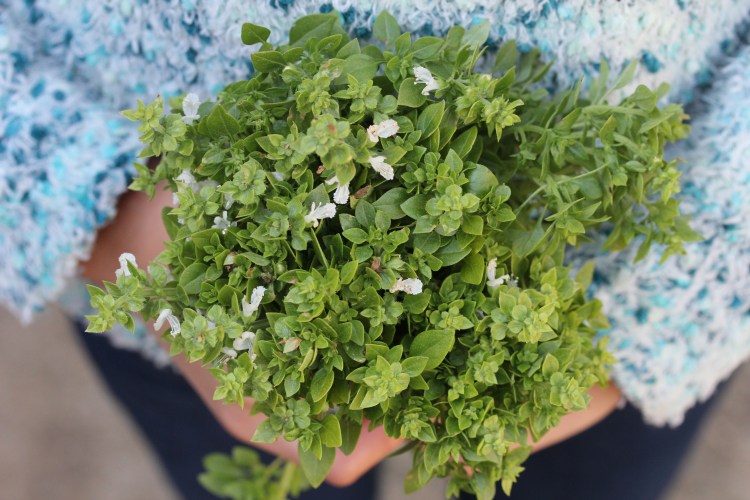
1/4/-1/2 cup of fresh rosemary and mint leaves

5 drops of green food coloring

Blend until finely chopped and mixed

Add to dry mixture and combine well with your hands

In a small bowl add

4 tsp of water or witch hazel (room temperature)

5 tsp of oil (melted if need be-coconut, almond, apricot kernel are good choices). You can also use oil that has been infused with herbs.

5 drops of rosemary essential oil

5 drops of peppermint essential oil

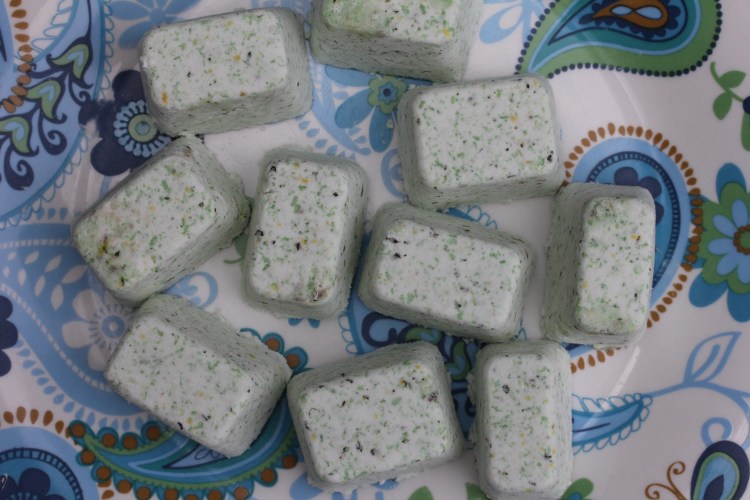
Using spoon fulls of mixture, loosely pack a set of molds (ice cube tray, muffin tin, candy or soap mold etc.)

Press down with your thumbs. Add in more mixture, repeat until you can’t pack in anymore. Don’t overfill. Parents can help with this part if necessary.

Let dry for 24 hours and release from molds. You can invert and tap mold on a hard surface if need be, they should let go easily.

Place in a container that can be sealed for long term storage. For gifts you can place in anything that protects the cubs and allows them to rest flat. Cubes start to crumble if they are jostled too much or get crushed. Do not expose to moisture until ready to use.

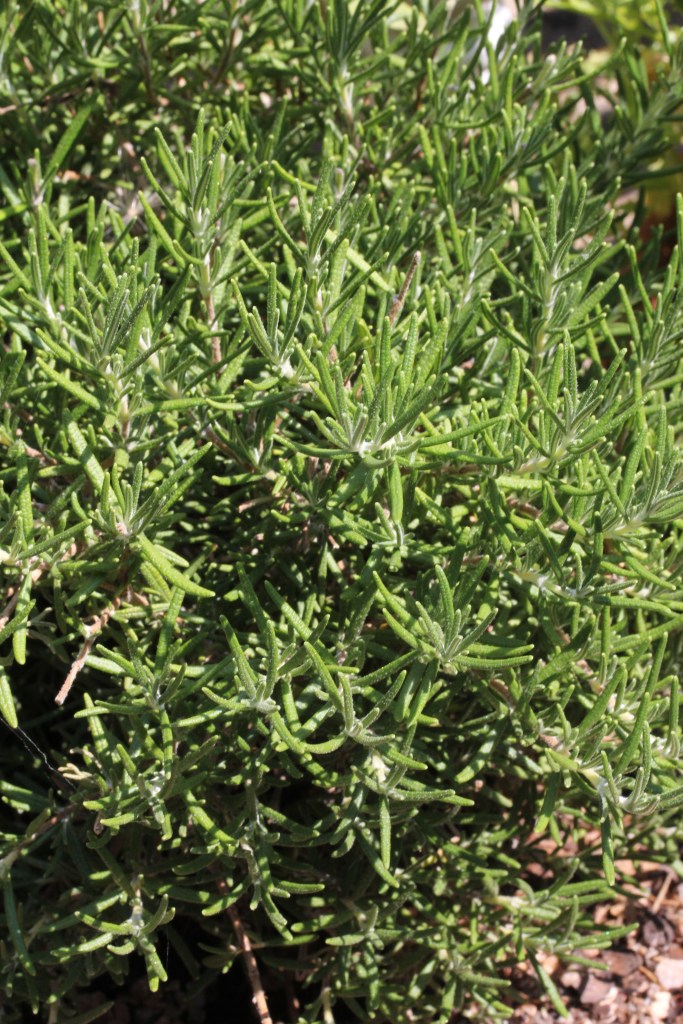
Salvia rosmarinus/Rosmarinus officinalis

Rosemary is thought to tonify the nervous system and improves circulation to all parts of the body. When eaten with food it can improves the digestion of fats and starches. It contains small amounts of several vitamins and minerals. Rosemary has been used to treat Alzheimer’s disease, asthma, colds, gallstones, depression, fatigue, menstrual cramps, vertigo, migraines, and issues with the menstrual cycle. It is considered by some to be a cancer preventative. The Ancient Greeks used it to keep memory clear when taking tests.

Contraindications:large doses in pregnancy

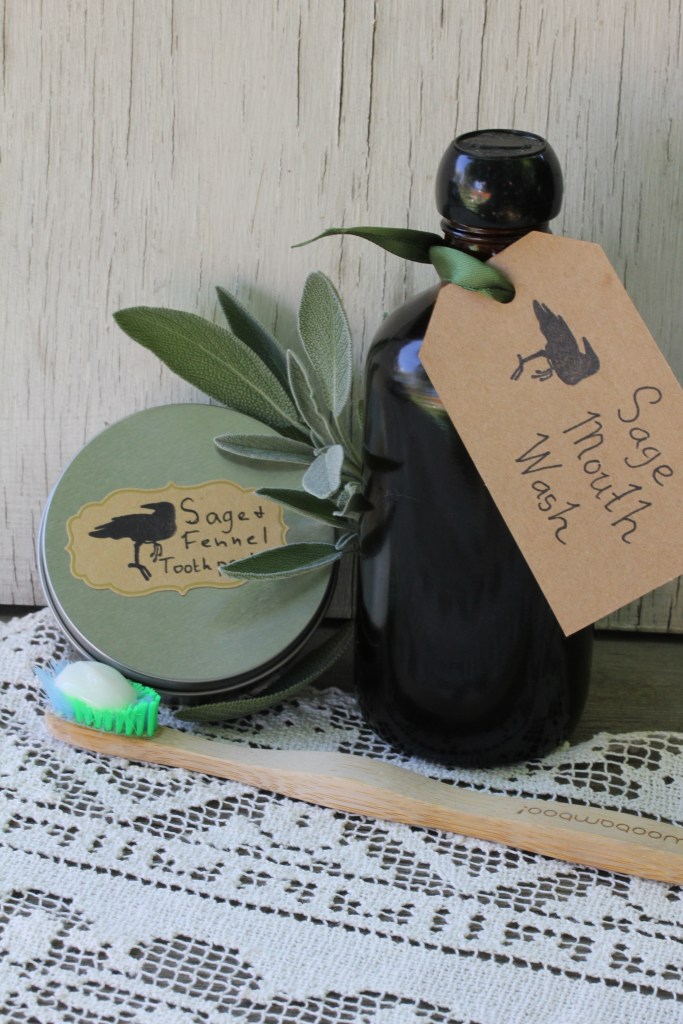
Sage mouthwash and toothpaste*

Even though I floss and brush regularly, dental care is challenging this year for several reasons. I have the time, knowledge and skills to be proactive and make my own simple solutions. I always feel comforted and empowered when I can use something made from my own garden. These recipes are inexpensive, effective, easy to make, and sustainable due to the recycling of packaging. I love the these homemade products taste and the difference I see in my mouth as I use them.

Sage Mouth Wash

1 cup aloe vera juice

1 cup of infusion of sage and vervain

2 TBSP of tincture (see below)

2 tsp of baking soda

5 drops of fennel oil

3 drops of peppermint oil

3 drops of spearmint oil

10 drops of neem oil

3 drops tea tree oil

3 TBSP of vegetable gycerine

Dental Health Tincture-white oak bark, sage, oregano, calendula, oregon grape root, blackberry leaf, myrrh, ginger, fennel, rose hips, clove, rosemary. I make enough for an entire year and store it until needed in an amber jar. Use 190 proof alcohol to make your tincture if possible

Mix all of your ingredients in a bowl. Pour into a bottle and shake. Use within 1-2 months. Does not have to be refrigerated but may start to ferment at some point.

Homemade Herbal Toothpaste

8 TBSP of coconut oil

4TBSP of Baking powder

stevia and essential oils to taste (mint, spearmint, fennel)

Melt the coconut oil over low heat in a double boiler. Once totally cool pour into a food processor and whip with the other ingredients. If not cool enough the essential oils will release as you mix and potentially burn your mucous membranes. Once smooth and creamy remove from the machine. Store in clean tins or condiment containers. A dollar store or a sporting goods retailer will have squeezable bottles made of silicone. These are the easiest to fill, transport and use.

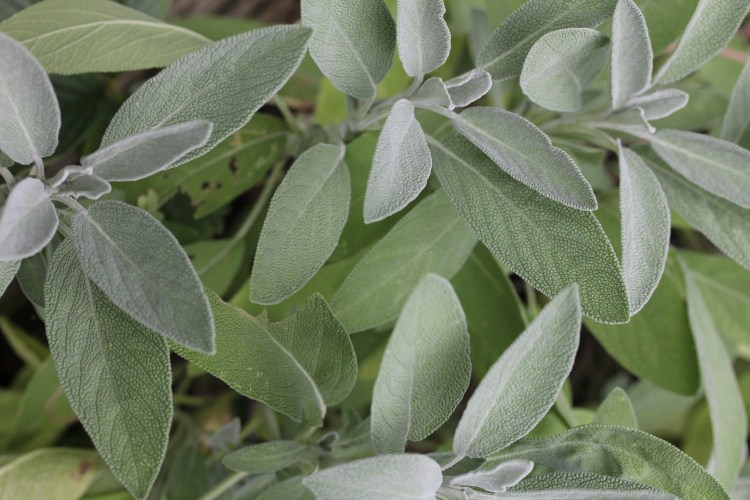
Salvia officinalis

Sage is a shrubby perennial that is native to Europe. It grows well and overwinters even in my climate. In any garden that I have had it establishes itself as a “mother plant”. The stems are square, woody, long and often leggy. With time and age my plants become less attractive but more productive in leaves. This herb can be sensitive. If you offend it, neglect it, damage it when harvesting-you may not see it the following year. The downy, oval shaped, opposite arranged leaves have a “sage” green color. The flowers are purple (sometimes white) tube shaped, growing widely spaced on terminal racemes. Salvia is thought to be good for stress, depression, vertigo, hot flashes, migraines, digestive issues, flu, congestion, menstrual problems, arthritis pain and staph infections. She is a wonderful gargle for sore throats. As a bath Sage has been used to address all kinds of skin issues. There is a long history of using this plant as a symbol of wisdom, longevity, and protection. I like hanging bundles of the fresh herb in my house, washing the floors with the tea, or burning dried leaves to clean out energy from a space.

Contraindications:Large does in pregnancy. Do not use while nursing as it may dry up your milk supply. Do not use in therapeutic doses long term.