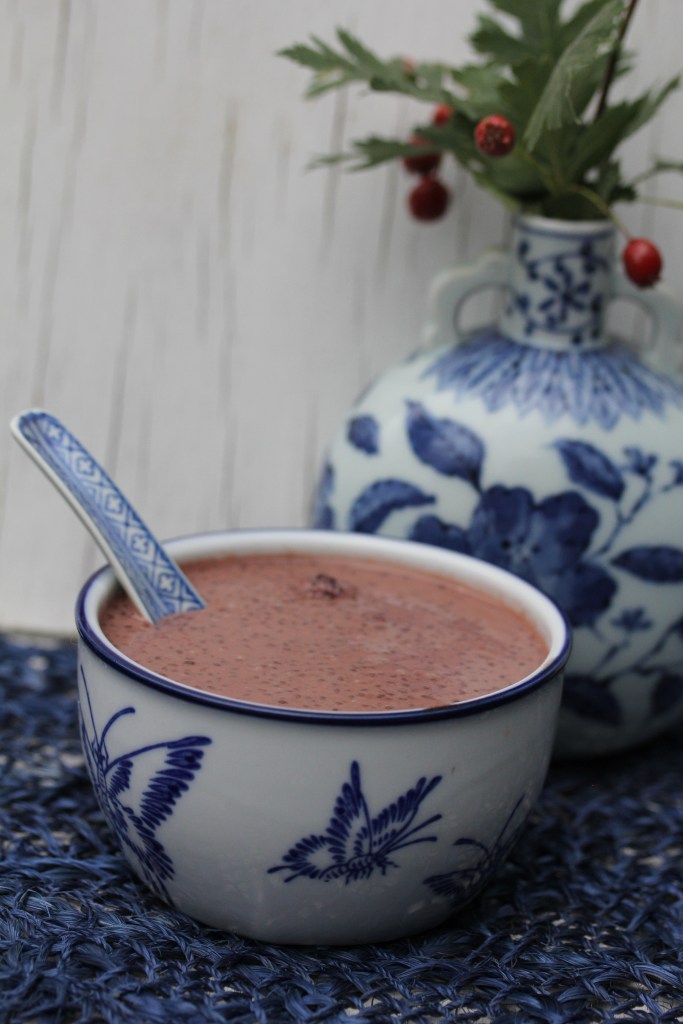
BLACK CURRANT and Thyme Oxymel

It is always exciting to find and experiment with something new. I made three oxymels this year, each using a different type of fruit-oranges, currants, and hawthorn berries. An oxymel is an infusion of herbs into vinegar and honey (see also shrubs, kvass, kombucha, switchels and other similar fermented “sodas”/drinks ). Plants easily give up their vitamins and minerals when added to vinegar. The raw honey serves as a powerful antibiotic when not exposed to heat. The yummy result can be mixed into salad dressing, braises or marinades. A tablespoon added to carbonated water or iced tea makes a refreshing drink. Because of a hiatal hernia I am highly sensitive to both the acid and spices in a typical fire cider. I can safely and comfortably consume a small amount oxymel and some of its health benefits (nutrients, medicinal properties, pro-biotics, acid).

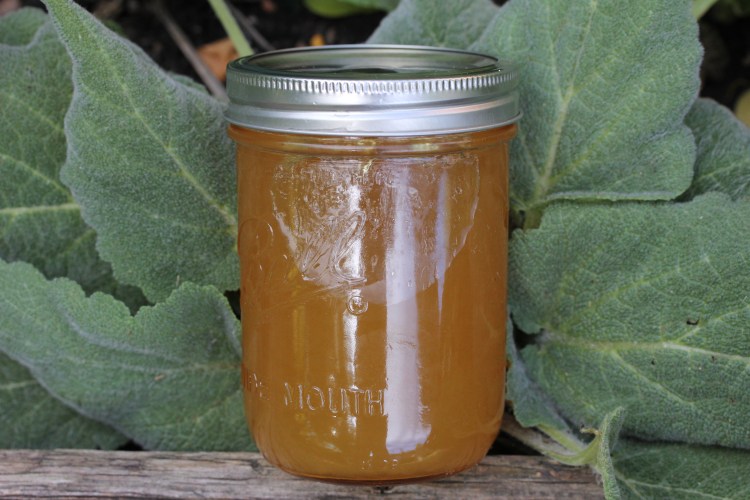
Currant and Thyme Oxymel

2 cups apple cider vinegar

2 cups blueberry juice

2 cups of fresh black and or red currants (mashed)

1/4 cup of dried tyme

2 cups of raw honey

Combine all ingredients in a very large canning jar. Put a piece of plastic wrap or baking parchment between the lid and jar lip. Seal tightly. Let sit six weeks in a a cool dark place. Shake and invert weekly. Press and strain to remove any solids or seeds. Divide up into smaller bottles which can be stored or refrigerated. With proper storage an oxymel will last for at least a year.

Ribes nigrum

Currants are one of my favorite medicinal plants. I am a big fan of red currant jam and traditional English “black currant tea”. The fruit is high in the vitamins and anti-oxidants that our circulatory system loves. The berries have 4 times the amount of Vitamin C as oranges and 2 times more anti-aging properties than blueberries. The leaves are a strong astringent for use in external skin care. The variety I grow has a spicy taste similar to juniper berries, so it works better in savory dishes or simple syrups rather than dried, jam or in a dessert.

You will find black currants as a rare cultivar in a few states in America. Importation of plants has been banned and growing illegal in the US as the plant can carry a fungus known to kill pine trees. The plant grows as a wide, untidy bush of long shoots, 4-6 feet high. The leaves are textured, alternate on the shoots, palmate, with 3-5 lobes and double serrate. Drooping racemes of yellow or white flowers appear in mid spring, a favorite of bumble bees. The berries are almost black, ripe when large, almost bursting their skins, and no longer hard. I know to pick mine when they start falling onto the ground or disappear when the animals start to eat them.

An infusion of black currant leaves stimulates the kidneys and historically has been used to treat gout, inflammation, liver issues and heart disease. The berries in can be used to treat kidney disease, high blood pressure, colic, glaucoma, eye strain, and rheumatism. The fruit and leaves can be consumed as tea or juice for bad coughs, sore throat, gum disease, and laryngitis. If you have diarrhea or organs that need toning a tea of black currant leaves might prove useful. The essential fatty acids in the oil from the seeds is thought to(internal use) prevent and repair damage to joints or (external use) relieve eczema and psoriasis.

Contraindications:clotting/bleeding disorders, surgery.
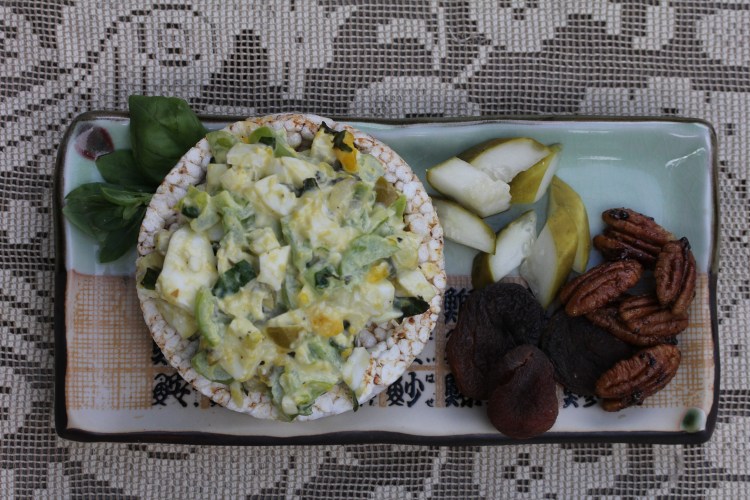
Fresh and Green , Basil Egg Salad

We have had an odd fall. A very early snow storm in September caused panic about an early freeze and loss of crops. Farmers and friends covered what they could and hoped for the best. In the end damage was minimal and even my Thai basil plants made it through. Much of October and November were warm and mild. Relief over a summer free of serious wildfires replaced by evacuations and air too toxic to breath. A neighbor gifted me several armfuls of basil and fresh herbs recently. That unexpected bounty along with piles of green tomatoes had me searching the internet for recipes. The following is a quick and easy way to use up green things still hanging on at the end of a longer growing season.

Fresh and Green Basil Egg Salad

4 Hard Boiled Eggs, coarsely chopped

1 small green tomato or 3 TBSP of green pepper diced

1 TBSP of capers

1 TBSP of finely diced onion

1 TBSP of chopped green olive or canned artichoke

1 TBSP of finely chopped fresh arugula leaves

2 TBSP finely chopped fresh basil leaves

Salt and pepper to taste

2-4 TBSP of mayonaise

Mix all of you ingredients together in a large bowl. Serve with crackers, ships, bread of your choice

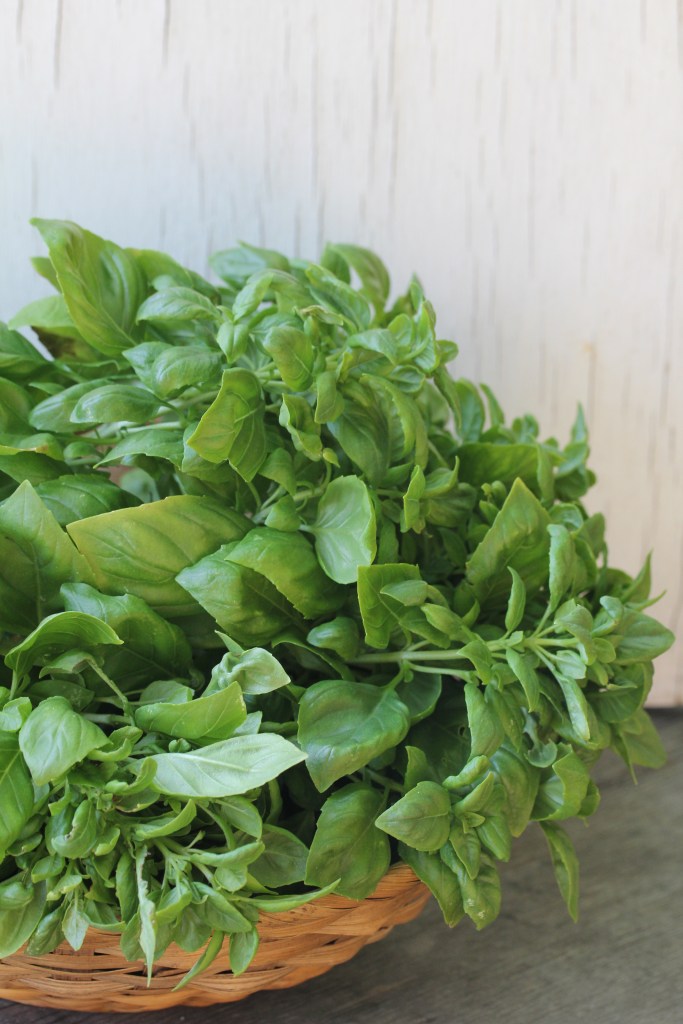
 Ocimum basilicum

Basil is an annual herb that is native to topical parts of the world. It will overwinter as a perennial indoors or when stored in a greenhouse. I often buy large healthy starts to plant in my garden. My own attempts from seed often do not not thrive once transplanted due to our growing season. Basil prefers sun and heat like tomatoes or chilies. It grows 1-2 feet high, producing many branching square stems with oval shaped, alternate leaves. The plant can be bright green with smooth margins on the leaves or darker with purple markings and serrated leaves like a Thai variety. Basil is a highly aromatic all members of the mint family. It has many small, two lipped (almost tube shaped) white flowers that grow on a raceme. These are very popular with bumble and native bees. Historically basil has been used for stomach complaints like cramps, gas, vomiting, inflammation, and constipation. It is also though to be useful for headaches, persistent coughs, and postpartum hemorrhage. Many cultures use it for spiritual/ritual use.

Contraindications:large doses in pregnancy

Chamomile and Vanilla Milky Oat Bath

The kids and I are starting to make gifts for the holidays. This is such a soothing bath in winter. The oats and chamomile help to support healthy skin and relieve any dryness or itchiness. My oldest daughter is fast approaching 13. She has an elaborate beauty routine already. The idea of a milk bath was too hard to resist even during our hottest month of the summer. The first bottle had to go to her. She loved the smell and thought her skin was smoother and softer the next day.

Chamomile and Vanilla Milky Oat Bath

In a large bowl measure out…..

2 cups of dried milk powder

1/2 cup of baking soda

1/2 cup of rolled oats, part of it finely ground and some coarsely ground in a coffee grinder

Mix all of the above with you hands or a large wooden spoon. Break up any clumps until you have a nice powder.

In a small bowl add…

1/2 cup of dried chamomile flowers mixed with 1 tsp of vanilla extract.

Add the small to the large bowl. Mix lightly until well distributed. Use a large funnel to fill decorative bottles or jars with the powder. You will need a tight fitting lid to keep moisture out. 1/4 cup per bath is a good amount.

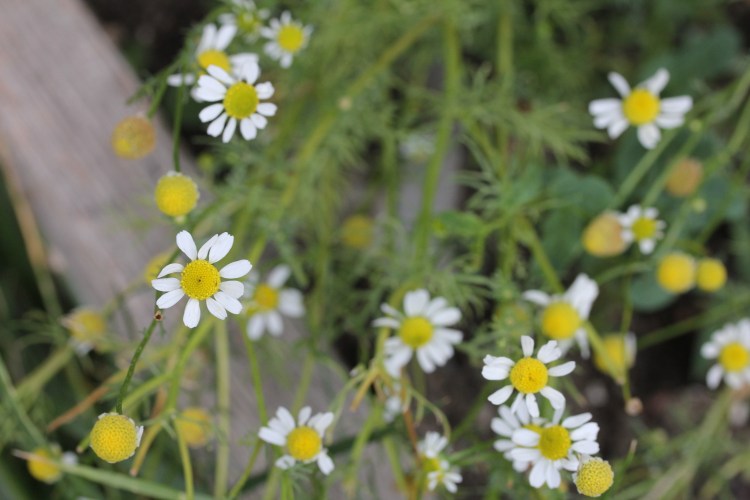
Matricaria recutita

Chamomile contains several volatile oils and constituents that assist the recovery and health of skin or mucous membranes. Studies show that this herb is anti-microbial specifically for candida, staph, strep, e. coli and fugal infections. Compresses, lotions, salves, washes, douches and gargles have been used externally to cool and speed the healing of burns, eczema, acne, dermatitis, insect bites, psoriasis, cracked nipples, bleeding gums, toothache and eye infections. The flowers have a long history of being used in hair products like dye, shampoo and rinses. They have also been used to flavor food, drinks and scent incense, massage oil or dream pillows.

What beauty products do you use chamomile in?

Clary Sage Jelly

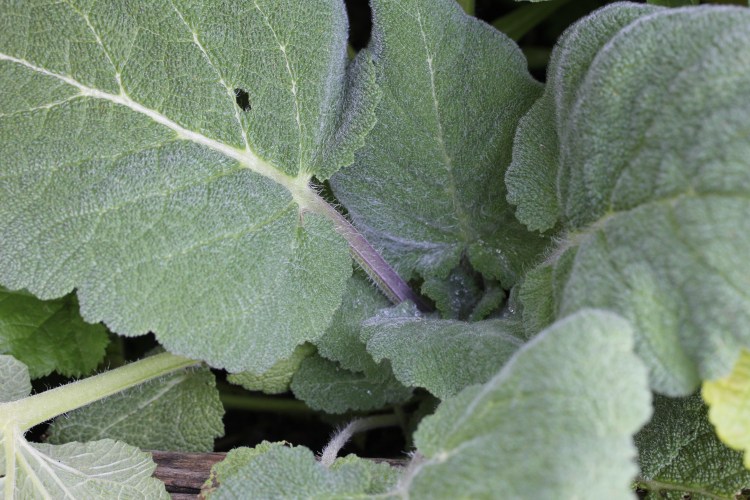
Clary Sage is one of my favorite plants even though I have never used it medicinally. Every year I buy one and hope it overwinters. I love the large fuzzy leaves and interesting purple flowers.

Clary Sage Jelly


Several large fresh clary sage leaves chopped to make…
1/4 cup of infusion


3/4 cup apple juice
Juice of 1/2 lemon juice
1 and 1/2 cups honey
1/2 bottle liquid pectin or 2-3 tsp of powder pectin like Pomona’s

A few drops of yellow food coloring if desired.


Make an infusion of clary sage and water. Strain and add enough water, if needed, to make 1/4 cup. Combine with apple and lemon juice. In a large saucepan, bring the liquid to a boil. Add in the pectin, stirring constantly for 30 more seconds. Whisk if there are lumps. Remove from heat, mix in the honey, and strain. Pour into hot a sterilized jar and seal. Refrigerating will speed setting once cool. Makes one large jar.

This would pair well with soft cheese, fresh fruit, toast.

Recipe is courtesy of Susun Weed

Salvia Sclarea

Sclarea is a a sage like the pineapple cultivar. It probably has many similar properties as the culinary spice you are familiar with. Like all member of the mint botanical family clary is high is volatile oils. Most alternative practitioners are only familiar with using this herb as an essential oil. I find the living flowers to smell even more amazing than what you get in a bottle.

This year I decided to harvest the leaves because I noticed they have a lovely smell. I dried many of them in the dehydrator due to their texture, size, and moisture content. Crumbled they make a lovely addition to a bath mixture. For the jelly I just used fresh.

The flowering tops and leaves have been used historically in tea for delayed and painful periods, menopause (night sweats, hot flashes), PMS, a digestive tonic, stress/depression, and muscle spasms/cramps. Externally it can be as a wash for irritated eyes, vaginal douche, or sores.

As an edible, clary sage can be used in both savory and sweet dishes.

Contraindications-do not use if pregnant or nursing. Do not take large/therapeutic doses of the tea for more than one week at a time.

Do you have a favorite plant that you grow for medicine in your garden?

Hawthorn, Cherry , and Chia Seed Pudding


With a bumper crop of hawthorn berries this year, I struggled to find something to do with them. I only need to make a heart tincture every two years and I hate to see things go to waste. They are not worth trying to dry either due to the large “pit” inside of the fruit. After some research I found that people do use them for food in lots of interesting recipes, especially if you live in the Great Britain. This chia pudding recipe was inspired by other things I saw on-line that featured bountiful harvests of wild fruit. Other ideas you might experiment with involve jelly, jam, and chutney.

Hawthorn Berry , Dried Cherry and Chia Seed Pudding

  • 1/2 cup pure black cherry juice concentrate
  • 1/4 cup chia seeds
  • 1 cup full fat coconut milk
  • 1 cup hawthorn berries cooked and processed to make 1/2 cup of pulp
  • 1 tablespoon honey to taste
  • 1/2 tsp of almond extract
  • 1/8 teaspoon cardamon powder
  • 1/2 cup coarsely chopped dried or fresh cherries

Combine all ingredients and let sit overnight

  • Garnish with fresh strawberries, cherries or raspberries

A note about processing hawthorn berries to get a nice pulp. Boil and then simmer the berries on low heat until they are soft. Remove from heat and then press the berries through a fine mesh sieve with a large wooden spoon. This will remove the 1-3 seeded “pits”. You may need to do small batches and press pretty hard to get all the pulp off of the seeds. This is probably why we don’t find this fruit in many recipes. The flesh is not soft like a wild plum and it has a bland almost sour taste. Don’t bother using a cherry pitter or knife to remove anything either.

Crataegus spp.

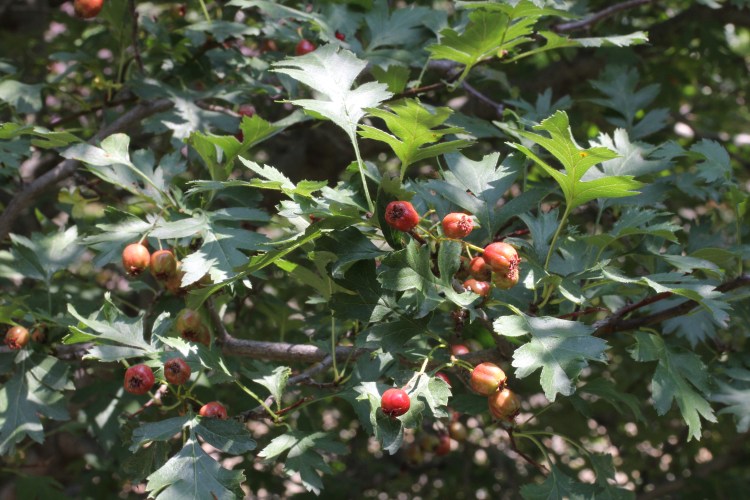
Hawthorn is a small tree/shrub (6-20 feet high) that one does not see often where I live. It must be cultivated and cared for to be attractive in an urban setting. The bark is ash colored and the wood quite hard. The leaves are small, shiny, dark green (on top) and have irregularly toothed lobes. Those grow on multiple branches (shooting in all angles) which have small but not terribly sharp thorns. It produces clusters of beautiful, tiny, showy, white flowers (5 petals) in the spring and bright red berries in late summer. The fruit is a favorite with wildlife. If your harvest is not timed right, the perfectly ripe berries can disappear off the tree over night. Ripe berries will be a darker shade of red ,close to that of a bing cherry.

Hawthorn likes to grow along streams and in meadows. You will often find it on older properties like farms, especially as a hedge. It will grow well in most climates.

Crataegus is best known for its effect on the heart. It normalizes blood pressure by regulating heart action/contraction. It strengthens the heart muscle/connective tissues and dilates blood vessels. Hawthorn can be used for either high or low blood pressure. Historically the berries have been used to treat myocarditis, arteriosclerosis, angina, congestive heart failure, heart palpitations, irregular heartbeat, blood clots, high cholesterol, variscose veins, and Reynaud’s syndrome/poor circulation . A tea of the flowers or leaves may be helpful for stress, mild, pain/spasms, headache, diarrhea, indigestion, gout, altitude sickness, arthritis, joint injuries/slipped discs, tendonitis, hernias, and insomnia.

Contraindications-heart medications, acid reflux.