Strawberry Leaf Tea

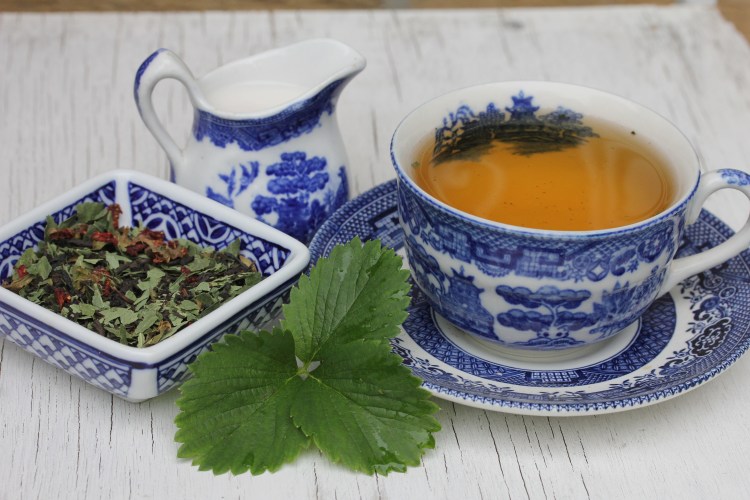
Did you know that colonists used strawberry leaves as a substitute for black tea? Strawberry leaves can become toxic while in the process of decaying and drying. To be safe only consume when fresh or when fully dry and crisp. Less of the chemical (hydrogen cyanide) is also present in the spring and summer. Avoid leaves that are discolored, decomposing, or moldy. The leaves alone have a lovely mild flavor. Add in the tops of the fruit and some black tea and you have a great hot beverage served with a bit of milk.

Strawberry Tea

2 cups crumbled fully dried strawberry leaves

1/2 cup of strawberry tops (what you normally would discard when using the fruit in a salad) diced and dried in a dehydrator

1/4 cup of dried black tea leaves
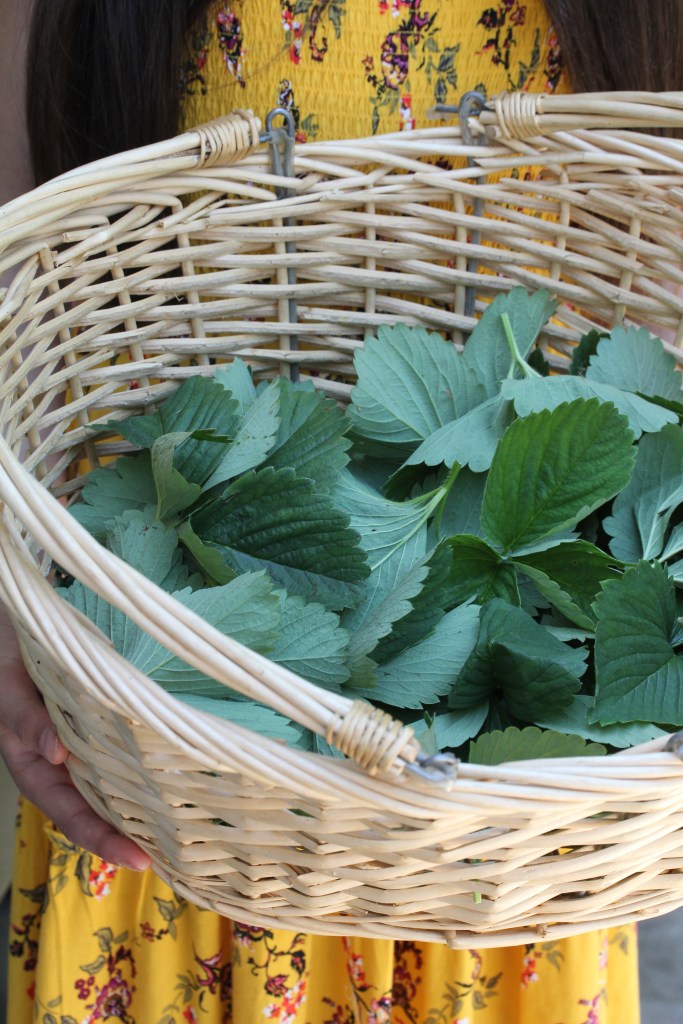
Fragaria x ananassa

The strawberry plant is thought to contain, antioxidants, omega fatty acids, B vitamins, as well as trace minerals such as iodine, magnesium, potassium, iron and calcium. Fragaria is one of the highest naturally occurring sources of vitamin C. An infusion has been used historically for low milk supply in nursing mothers, diarrhea, intestinal complaints, excessive menstrual bleeding, arthritis, water retention, skin rashes, burns, insect bites, blood pressure issues, headaches, conditions of the bladder/urinary tract, fever, night sweats, anemia, ulcers, and bacterial/fungal infections.

Contraindications:an allergy to the fruit. Kidney disease. Pregnancy
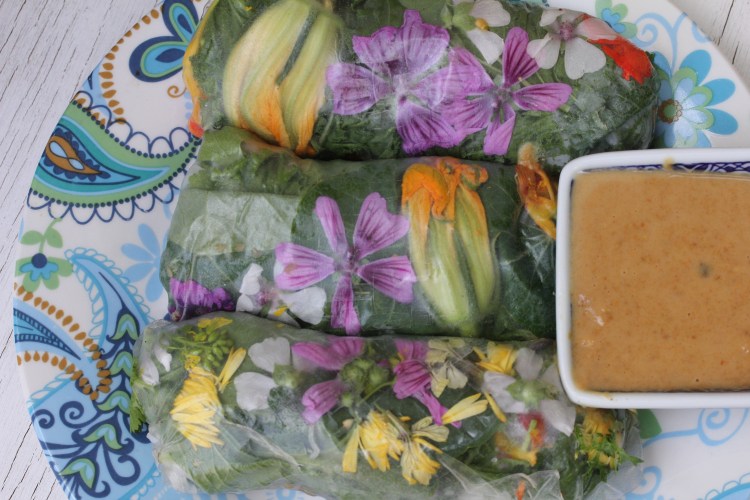
Herb Packed Spring Rolls (Malva)

We love spring rolls in my family. They are the perfect choice for a quick and easy summer meal. You can pack them full of all kinds of fresh goodies from the garden. It is one of the few meals that my kids love to make.

A good spring roll has

a rice wrapper

rice noodles

something salty -pickled leaf vegetables, something sauteed with soy sauce, ume plum paste, bonito flakes, seaweed.

something acidic-pickled root vegetables

something raw and fresh-cumber, shredded carrots, bell peppers, salad greens

something pungent/spicy-cilantro, basil, arugula, mustard greens, wasabi mayonnaise, daikon radish

something fatty/dense/with texture -avocado, meat/seafood, seasoned cooked mushrooms or tofu, bean sprouts, peanuts, shelled edamame

peanut, plum sauce, a sweet chili sauce etc.

I added edible flowers-borage, calendula, pansy, nasturtiums, squash blossoms, malva, marshmallow, violets, mustard, arugula, chive, crysanthemum,

misc. herbs-basil, cilantro, nasturtium leaves, mint,

We boil the rice noodles, rinse and let them cool a bit.

I bought a special tool that allows you to pour boiling water into a container that perfectly softens the rice wraps

I suggest you find an on-line tutorial for that teaches you how to fold and wrap your ingredients into a nice package. It does take a bit of practice. My family finds the larger round wraps the easiest to use.

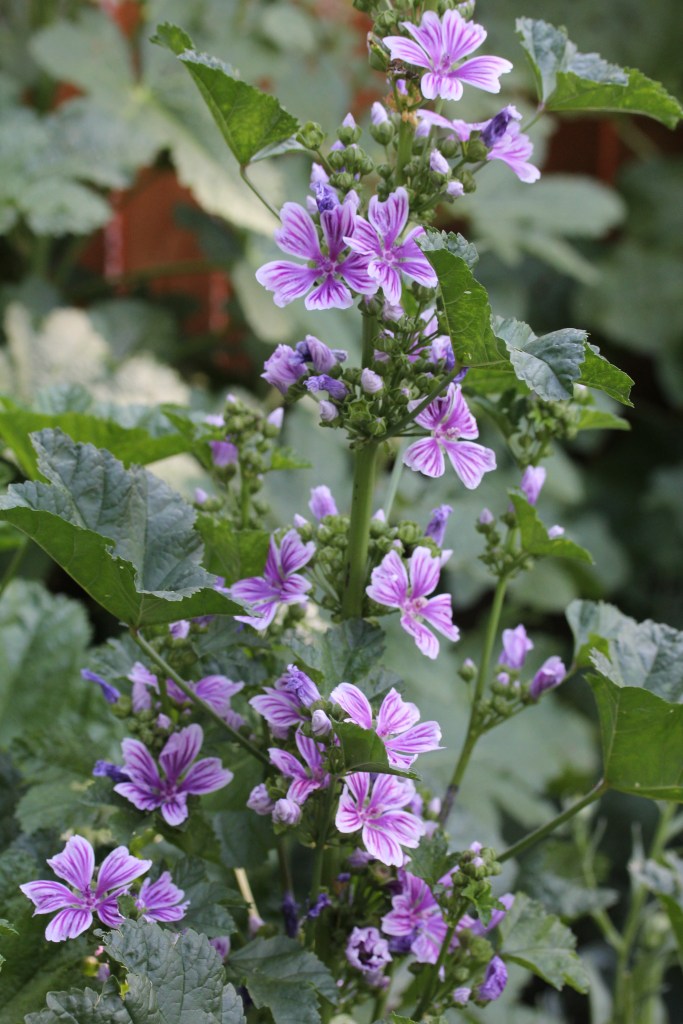
Malva sylvestris

Also know as high mallow, country mallow, or cheese flower. Not to be confused with Malva rountundifolia/low mallow (a common weed in lawn and garden) or Althea officinalis/marshmallow. All three plants are in the “mallow” family along with hollyhock, Rose of Sharon, and cotton. Species in this family can vary in their edibility, and medicinal properties. They are all my favorite garden flowers as they will bloom from July until there is a hard frost in October.

Sylvestris is found as a lovely cultivated plant that native bees love or as a weed along roads or waste areas. It is more commonly found in Europe. It grows 2-3 feet high. The darker green leaves usually have five lobes. It has many five petaled pink or purple flowers.

The flowers are edible and make a pretty addition to salads. The fresh, not quite mature seeds/cheeses are yummy sauteed in dishes like stir fry and eggs.

The fresh leaves can be used as an emollient, astringent, demulcent, and expectorant. This herb is very useful for “dry” respiratory conditions or inflamed tissues of the external skin or gut.

What ingredients do you like in spring rolls?

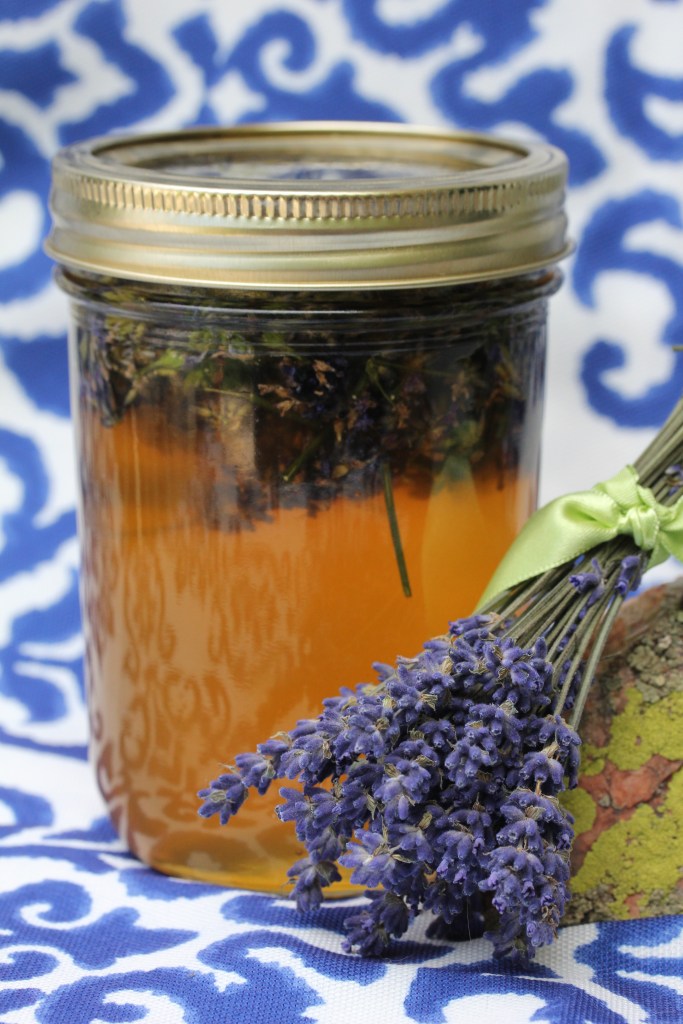
Lavender Honey

 Lavender honey is a treat. Not only does it taste amazing, it is also medicinal. Raw, unheated honey contains many nutrients and anti-oxidants. It is anti bacterial and anti-fungal. It is very soothing to the digestive tract. When applied externally it heals wounds and burns. Add in some herbs and you have even more health support and benefits. Infusing a honey is even easier than doing an oil. Fill 1/4 of clean jar with fresh herbs and the rest with honey. Strain out the herbs after 2 days. You can also powder (coffee grinder) dried herbs and whip them into honey using a food processor. You just use the pulse feature until the honey is no longer clear. 1-4 TBSP of dried herb to 1 cup of honey. If you whip there is no need to strain out the herbs. The honey will preserve them for a very long time. I like infused honey for recipes and whipped honey for immune support. It is great for kids added into hot milk or tea. Ideas for whipped honey-rose hips, calendula petals, turmeric, ginger, orange peel, berries, hibiscus, cinnamon, star anise, etc.

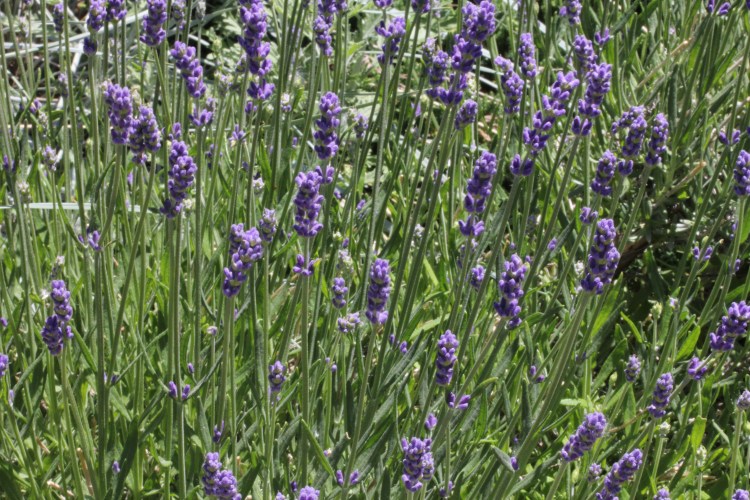
 Latin name: Lavandula (there are lots of species). Family: Laminacea (mint family). Lavender is an evergreen perennial shrub that can grow 1-4 ft high. Typically it appears as a smaller singular plant but in the right conditions it will spread and expand to fill a larger space. The entire herb is covered in a grayish down. At this time of year the plant shoots up a flowers in the form of a terminal spikes. The highly scented purple flowers form a group on the tip of their personal stalk. The narrow leaves are sparsely arranged oppositely on the square stem, often clustered at the base of the plant when not in bloom. This palnt is very easy to grow in most climate especially when given well drained, poor, sandy soil and full sun. Lavender is not native to the United States. It is very popular with bees and butterflies. The smell is the best way to remember this herb. Rub any part of it between your hands and smell your palms. This a a great beginner plant for children to learn.

If you don’t have Lavender in your yard, I bet you have neighbor who does. The pure essential oil is thought to be a great remedy for burns, cuts, tight muscles, rheumatism, edema, eczema, hair loss, acne, fungal infections, earache, cold sores, and insect bites/stings. This herb contains numerous volatile oils, many of which are powerful anti-microbials. It was used in WW 2 for wounds and parasites. It was burned for bubonic plague to prevent the spread of the disease. Historically steam inhalations, baths, and infusions have been used to treat chest infections, asthma, dizziness, insomnia, digestive issues, colic, fever, colds, flu, strep, yeast, vaginal infections, bad breath, headaches, fatigue, stress and anxiety. Lavender is often present at birth and death because of its calming nature. The flowers are edible and can be used in baked goods, and other sweets. You will find this herb in many gifts and beauty products.  

Contraindications: During pregnancyDo not use the essential oil internally. Do your research on using the pure EO on a frequent basis externally (including in creams and shampoos).

End of Summer Dandelion Oil

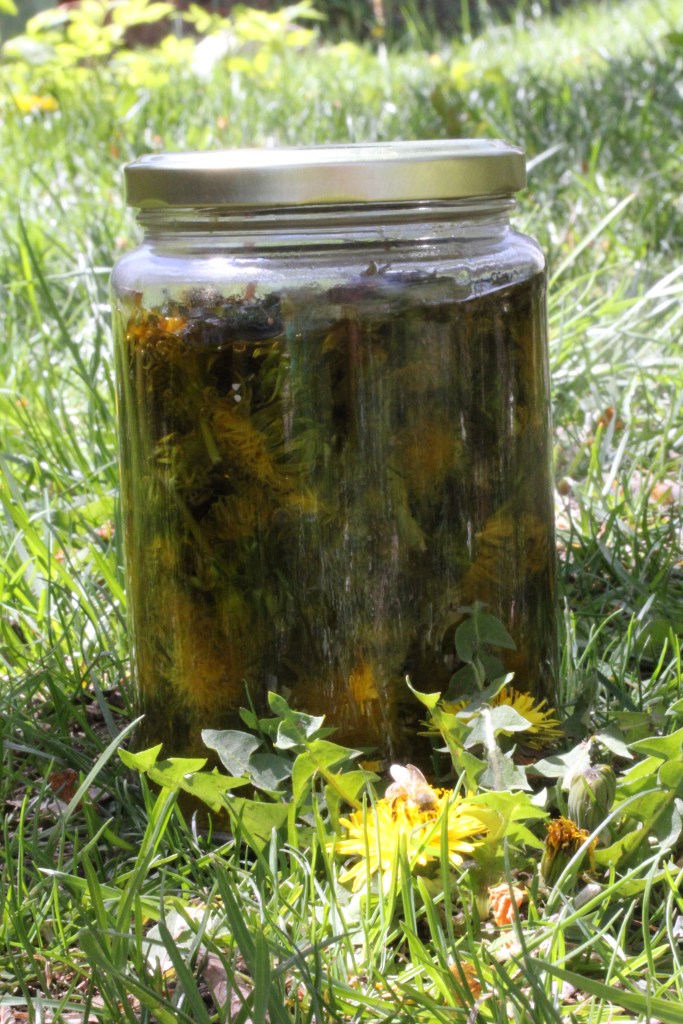
Even Bees Love Dandelion in September

Not many people think to make an oil extraction from dandelion flowers. Have you ever tried making fried fritters from the blooms? They are addicting if right out of the pan. Dandelion leaves are a great addition to a spring salad thought to purify the blood and support the urinary tract system. The fresh or dried root in a tea or snuck into a meal may support the liver. Internally it can be used in way too many things for me to list in this post. But externally as an oil, well it is a hidden treasure.

Pack a small jar with freshly picked, but dry, blooms. Add virgin olive oil grown and harvested in the USA. If you use this and no other oil your extraction will not mold. After about a month, strain out the flowers. If you press to get more oil you will get particulates and a cloudy product. Just an aesthetic detail, not a big deal for making salves. You can then use the pure oil on any skin issue or use it to make salves etc.

What kind of skin issues have herbalists used it on? Poison ivy/oak, warts, tumors/growths, rashes, cuts, arthritis/rheumatism, sprains, bruises, varicose veins, fungal and bacterial infections.

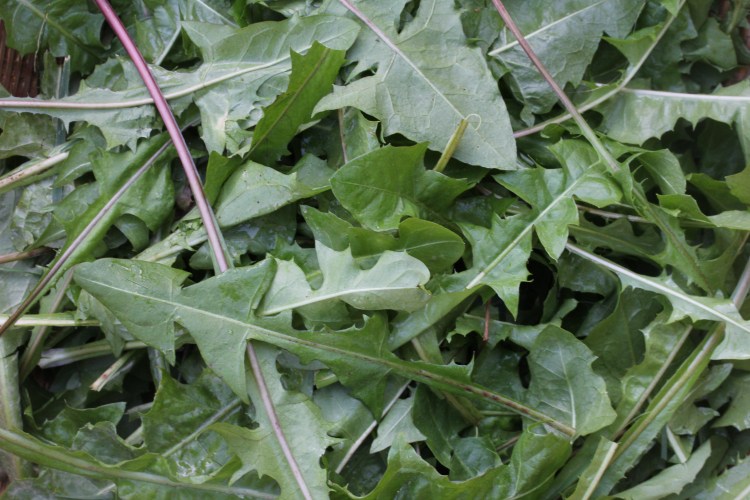
Dandelion Leaves

Dandelions are such a useful plants. So many ways to eat the leaves, flowers, and roots. An entire pharmacy in your lawn and a crucial source of nectar for bees in the spring. I would love to hear how you use them.

Herbal Incense*

I never thought much about using herbs medicinally in the form of incense until very recently. Smoke has been used by humans to bless, harmonize and release since we discovered how to use fire. I have been burning a lot of incense lately to force movement when the energy in my environment feels stagnant, dense or negative. There are a lot of interesting things happening in the world right now. I have hardly left the house in the last five months. Lighting the match, watching the fire and smoke, smelling the familiar plant materials. I do feel a shift, a settling, and at peace when I am done with the simple but powerful act.

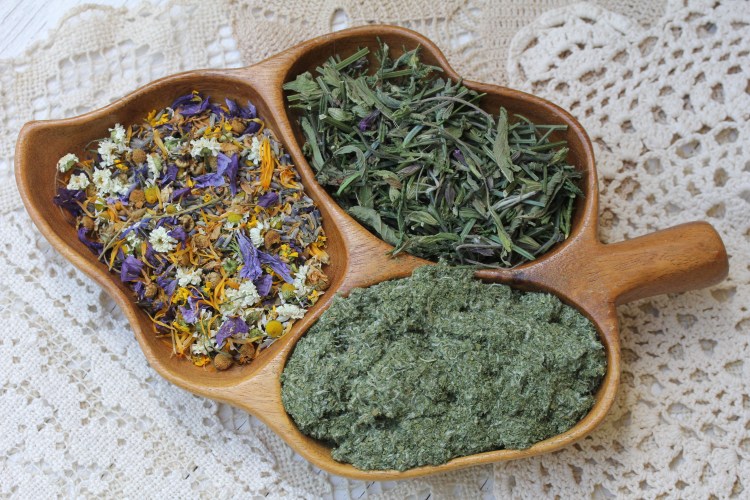
Here are two types of incense blends that I have been experimenting with. All the ingredients are grown in my garden. At the moment throwing dried loose plants into a chiminea and setting it a blaze works well for good weather. I might need to look into making cones for the winter and indoors. Drying in a dehydrator preserves the essential oils/scent and bright colors.

Floral

Malva

Calendula

Feverfew

Chamomile

Borage

Moxa

For direct healing and moxibustion just straight mugwort that has been processed for Chinese Medicine. A food processor works very well for this being easy/quick to use and breaking the leaves down to the right consistency. Plant material can also just be left alone, coarsely chopped, dried and loose for incense.

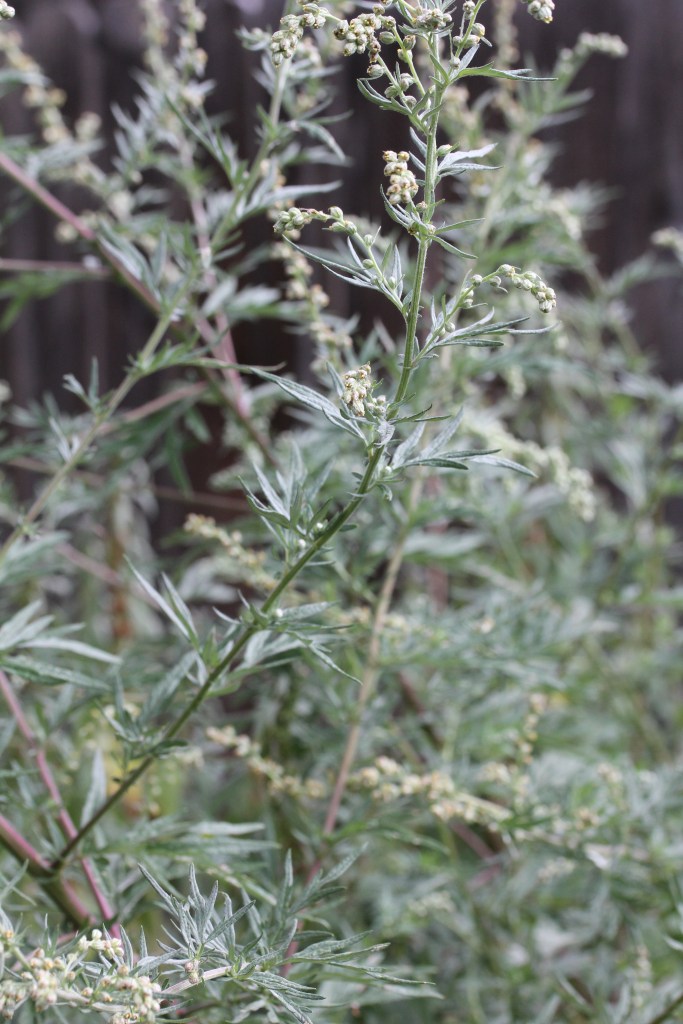
Artemisia vulgaris

I have already talked about juniper which is my favorite plant to burn. But mugwort has the advantage of being very slow burning, no flame, and producing a lot of fragrant smoke. I have used mugwort in liniments and dream pillows. It can be used as an infusion but I feel that it is just too powerful of a plant for me to use it internally. I prefer other choices for treating certain health problems. There are different types/species of mugwort. Some that are native and can harvested from the wild. I find to Artemisia vulgaris to be the most useful and very easy to grow in a garden. When cultivated this herb can become a large perennial that produces a lot of plant material. Does not self seed and become invasive in the yard.

Common mugwort has a long history of being used for issues related to menstruation, menopause and in childbirth. Historically it has been used to stop bleeding, remove toxins, reduce inflammation and kill parasites. Artemisia has been found to be anti-microbial both internally and externally. It stimulates the appetite and digestion. Herbalists have used it for respiratory illnesses, kidney/bladder stones, liver conditions, and nervous complaints. The Japanese use it in dumplings and other food items. In Europe it was used to make beer. As moxa in Chinese medicine it is used to move cold, damp, and stagnation. As a liniment or oil it can be used externally for headaches, sore muscles, tired feet, rheumatism, arthritis, injuries and gout. A poultice it is helpful for poison ivy, rashes, bug bites, bruises and sores. As a steam for asthma and congestion.

Part used:root and aerial parts.

Where found: cultivate in the garden. In fields, roadsides, wastelands as a weed. Not wild or native to the US.

Contraindications: pregnancy and nursing. Avoid using long term or in large doses. May cause a rash in people that are allergic to the plant (aster family).