I think the ability of plants to support health can come in many forms.
Healing, Healing, Water
Healing, Healing Teas
Bidding Goodbye’
To the hurt in your eye.
Farewell to the pain
Hello gentle rain.
Bring me healing ointment
Bring me herbs to smell
But mostly bring a gentle kiss
To soothe and make me well. ( I don’t know the author)
I have these words written down on a very old piece of paper that is in my medicine cabinet. I did not write them. I found them in a book. They are supposed to accompany a wooden poppet (homemade doll) that chants the poem when a child is sick or injured. My girls always found this a great distraction. Soon they were smiling and laughing, their upset quickly forgotten, tears dry.
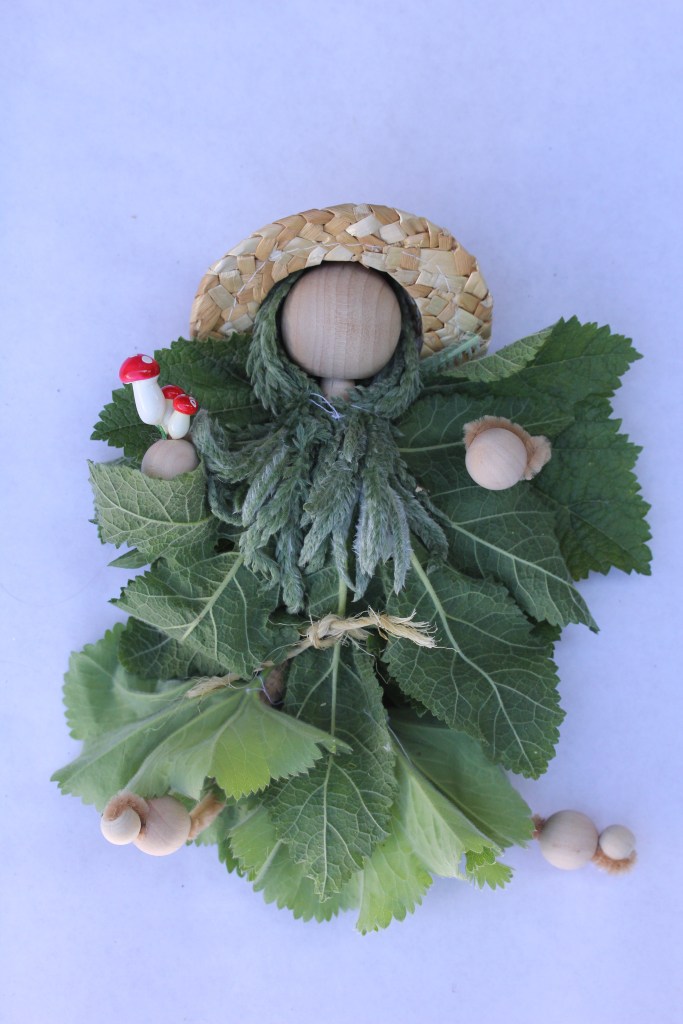
That memory was the inspiration for this project. A little doll made of herbs to cheer up a child having a rough moment. Something sitting on the nightstand to care for and protect you while you sleep off an illness or struggle with nightmares.
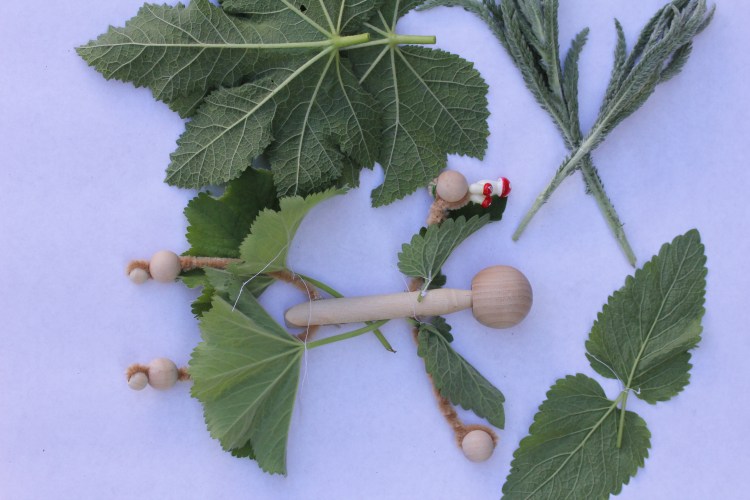
To make this doll you will need. 1 wooden clothespin, 1 large wooden bead, 4 medium wooden beads, 2 small wooden beads, 1 doll’s straw hat/felt cap, 2 pipe cleaners, decorations.
1)Glue the large wooden bead onto the clothes pin to be your head. A glue gun works well for this
2)Thread two medium beads onto each pipe cleaner. Bend the pipe cleaner around each bead and re-thread. Twist the extra to secure. You can add the small beads last as you do the feet or not.
3)Glue the arms and legs to the clothespin
4) Pick some fresh herbs leaving the long stems. You can tie leaves together to make hair, wings, skirt panels etc.
5)Tie your leaves onto the doll with sewing thread. Use a yarn “belt” or other materials to form a tunic (one leaf on the front, one on the back) and tie. Add the hair by securing it around the neck with thread. Put on the hat. You can draw a face or not. Decorate with other found materials (seed pods, pinecones, flowers etc.).
f
For my doll I used……
Lady’s Mantle-to heal tissues, reduce pain and calm the spirit.
Yarrow-to reduce inflammation, stop bleeding, and break a fever,
Hollyhock-to clear heat and move trauma out of the body. Thought to support the digestive system to deal with diarrhea, constipation, or an upset stomach. Has been used to moisten chapped skin, reduce swelling, and heal the site of bug bites and splinters.
Obviously you would not want a child to eat these or any herbs in this form. The doll works psychosomatically or energetically as you tell your child a “story”.
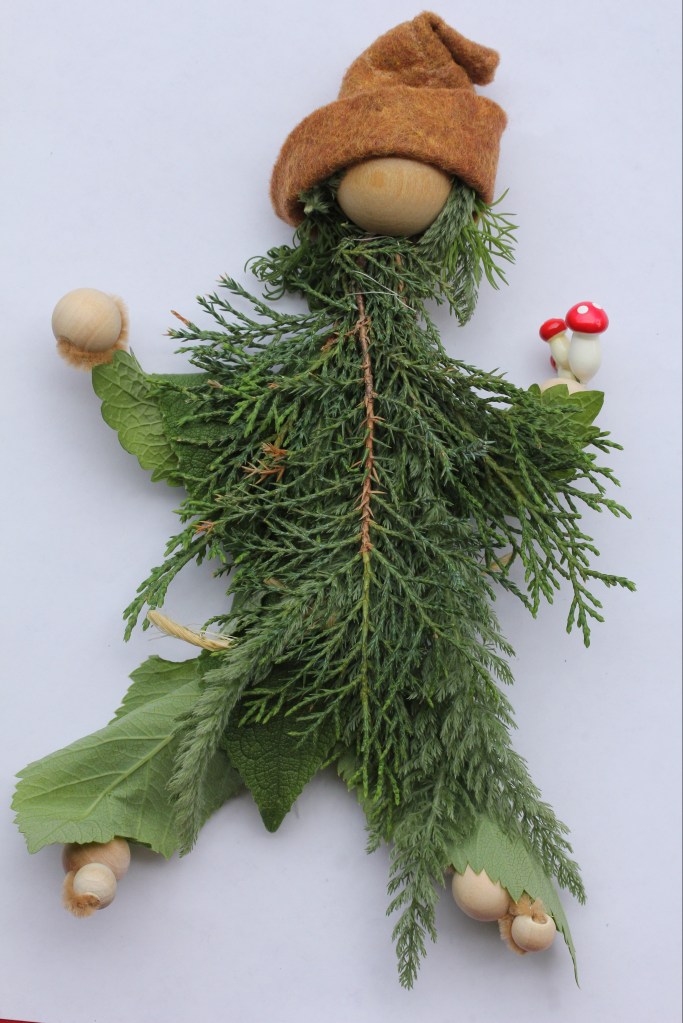
If you are not into fairies maybe a gnome
What rituals or idea do you use to support your child when they are not feeling well?
My eldest is obsessed with slime. She has been making her own for over a year. In March I ordered her a quart each of clear glue and slime activator. It has become both chemistry and therapy for her. She can experiment with all kinds of ratios and ingredients to get various consistencies, colors and textures. Making and playing with it is a good distraction. Some find it very relaxing.
I honestly prefer “play dough”, especially if it is homemade. This is a great activity to do with young children. Just make sure that what they are handling is not too hot. Working the warm dough is very satisfying. It feels great on my hands which are often sore from an old injury that happened last summer. Adding in herbs or essential oils takes the experience to a whole new level. No need to add in food coloring if you choose the right plants.
Herbal “play dough“
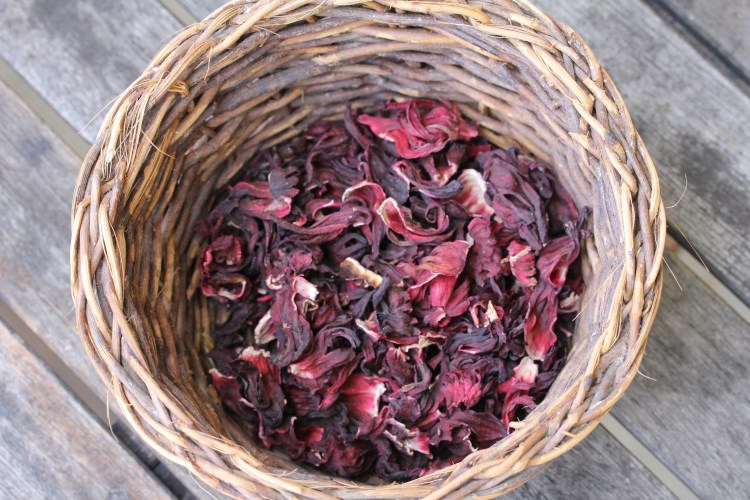
1 cup of tea ( I used dried hibiscus flowers)
2 cups of whole wheat flour
1 TBSP of cream of tartar
4 TBSSP of olive oil
10 drops of lemon essential oil
2 TBSp of grated lemon peel
1/2 cup of salt
2-4 TBSPP of coarsely powdered hibiscus or other dried flowers (calendula, dandelion, rose, lavender etc.)
After the tea has cooled a bit and steeped, remove the flowers and add the liquid to a large bowl.
Add in the flour and cream of tartar, mix.
Add in everything else BUT the salt and dried herbs, mix.
Fold in the salt and dried flowers.
Remove the dough from the bowl and begin to work it. You can oil your hands or add more flour if it is too sticky. The dough gets dry over time so having it start a bit sticky is not undesirable. You can let it set out on plate for an hour to firm up too.
Store in a sealed container. It may last longer if you refrigerate. Discard if moldy or too dry and crumbly to play with.
There are other combinations you might consider. While not toxic this play dough should not be eaten.
Lavender flowers, essential oil and Blueberry juice for a purple color
Dried rose petals with rose water for a pink color
Tangerine essential oil , dried Calendula flowers and Turmeric powder for a yellow color.
H. sabdariffa
There are many plants in the “mallow” family. Rose of Sharon, marshmallow, hollyhock, and malva just to name a few. Not to mention lots of cultivars that go by the common name hibiscus. While most of the flowers in the family are edible and several of its member have similar healing properties they are not equal. The species you want for your infusions goes by common name of Roselle or flor de Jamaica. This is a case where you really should learn the Latin binomial name ( Hibiscus sabdariffa) to avoid confusion and getting the wrong thing. I have the cultivated hibiscus in my front yard. It has the large red flowers that look like what we think as “hibiscus” but if I used it to make tea or pigment it would be inferior. Fresh roselle flowers look rather small and strange (almost plastic). I get mine dried because I can’t grow it where I live. Once you have tea made from Roselle it is hard to consider other options for “hibiscus”.
Roselle is very cooling and soothing for the body with its sour, refreshing taste. It is thought to remove excess fluid from the body and support the urinary tract system. It has been used to treat fever, cystitis , as well as problems bladder and kidneys. It is very high in ascorbic acid (vitamin C) and citric acid making it very helpful in treating infections, supporting the heart and strengthening blood vessels. I drink it as tea everyday to stay healthy in these times.
If you have had “hibiscus” tea do you know which species the flowers came from? Do you a preference for the source?
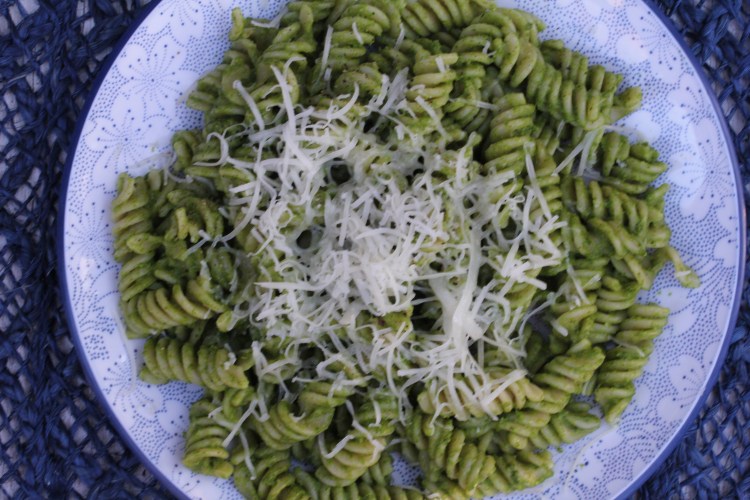
I anticipate that there will be a lot of lemon balm in the garden this year. More than ever I am motivated to make sure nothing in the garden goes to waste. I have an overabundance of lamb’s quarters that volunteered to make an appearance this year. I was a little unsure about lemon balm in a savory dish as I associate the “flavor” with sweets and desserts. Lemon Balm is not sour like real citrus it just reminds you of artificial lemon extract. What makes this dish work is the addition of something salty like parmesan cheese. Even a vegan type works. It has a very fresh taste and and a lovely green color.
Lemon Balm Pesto
1 cup of lemon balm leaves loosely packed
1 cup of lamb’s quarters, leaves loosely packed
1/2 cup of of pure olive oil
1/3 cup of lightly toasted pumpkin seeds
zest of medium lemon grated
salt and pepper to taste
Blend all of the ingredients in a food processor until you get a smooth paste. If you like your pesto a little thinner you can add lemon juice or water to the mixture.
Mix into cooked warm pasta and top with the parmesan cheese of your choice. Any leftover pesto will store in the refrigerator for at least two weeks.
There will be several recipes that feature lemon balm in the next few weeks so I will not repeat the information previously written about its properties and uses.
I would love to hear what you like to make with lemon balm.
Sometimes simple is both elegant and really tasty. The picture says everything.
Dressing
1 cup of seasoned rice wine vinegar
1 cup of lemon balm leaves
1 TBSP of honey
1/4 cup olive oil
salt and pepper to taste
Heat the vinegar until it is boiling. Remove from heat and add the honey and leaves. Let cool and steep for 30 minutes. Strain out the leaves and add in the rest of the ingredients. Mix well.
The Salad
1 TBSP each of dried -blueberries, currants, golden raisins, cherries or cranberries. Soaked in hot water, drained and set aside
1 orange, peeled, sectioned and chopped in large pieces
1 apple , cored and chopped into large pieces
1 pear , cored and chopped into large pieces
1/4 cup of toasted slivered almonds.
Add all of the ingredients to a bowl and mix well. Drizzle in dressing to taste. Top with…..
edible flowers (your choice of primrose, calendula petals, violet, pansy, malva, borage or nasturtium) and finely chopped lemon balm leaves. Serve at once.
Melissa officinalis
Lemon balm has so many possibilities as a culinary ingredient. It smells and tastes a bit like lemon but without the sour or acid of citrus. If you like sweets consider it for ice cream, jelly, candied leaves, smoothies, cheesecake, or fruit. If you like savory you could try it in salsa, pesto, stuffed fish, butter/cream cheese, or salad. Think of it as a substitute for any dish that would call for mint, basil, cilantro, or spinach. It has a lovely subtle taste that is not too floral or intense. I like it especially in ice cold sun tea, you don’t even need sweetener.
Lemon balm is in the mint family. It has a square stem, small white/yellow/lavender flowers on a spike, and volatile oils that contribute to its memorable smell (a bit like furniture polish/Pledge). It is thought to clear heat. Some use it as a powerful antiviral for flu, herpes, fever, colds, respiratory infections, asthma and childhood illnesses. This plant might be a great match for kids suffering from nightmares , anxiety, hyperactivity, insomnia, stomachache, teething and restlessness. For adults it has been used to treat headaches, heart palpations, indigestions, menstrual cramps, spasms, pain, nausea, and nervousness. Externally it may helpful for all manner of wounds, cold sores, insect bites, sunburn, and growths. It makes for a nice addition to a calming bath.
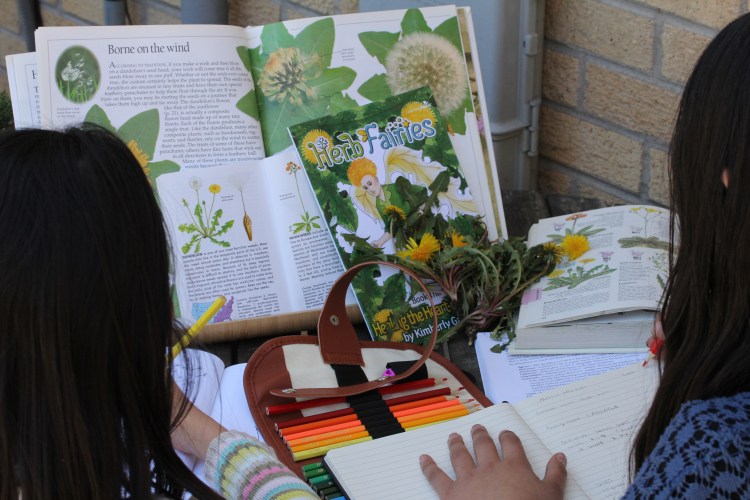
The girls are really busy this week learning about Dandelion. We finished the last book in the Herb Fairies series. I set aside one day a week to learn about herbal medicine with them. The morning starts by looking at the live plant in detail and visiting it in the garden to learn about its habitat and how it grows. I prepare a plant dissection for them or lay out the life cycle of the plant on paper for them to illustrate and study.
red raspberry illustration
Next we draw the whole plant from root to top in our nature journals or find a coloring page of it . The act of drawing or coloring really helps the girls to remember details such as the number of petals, flower type/color, leaf shape, etc. They really have to use their observation skills and spend some time with the plant.
Using an herbal/ Materia Medica , I have them read about the plant to learn about its various features, where it grows and how it is used. They take detailed notes in their notebooks. We do a family read of several stories about the herb we are studying.
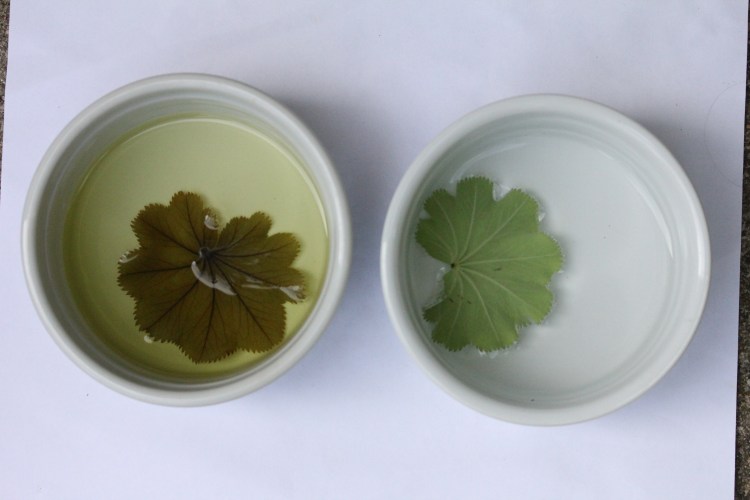
using solvents to learn about color pigment with lady’s mantle
To make it even more memorable we sometimes do a science experiment, craft project, play a game, or find a way to cook with the plant as a main ingredient.
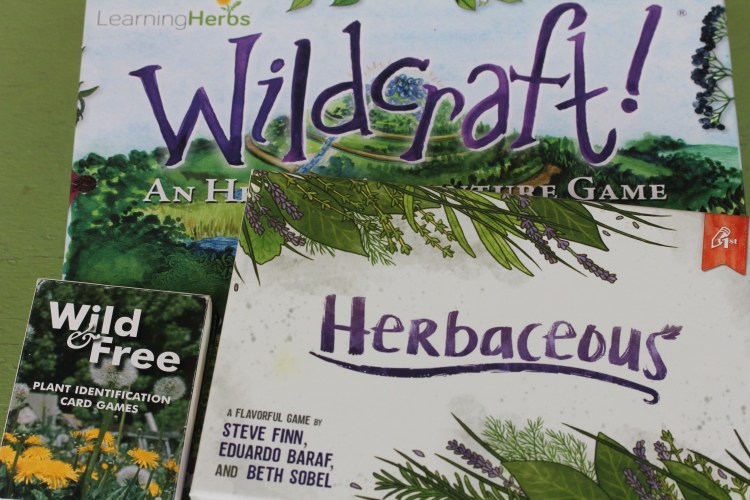
games that feature plants
Some days they help me in the garden with planting, weeding, or harvesting. Now that they are older the girls often assist me in the indoor pharmacy with measuring out the oil, alcohol, etc. for my salves and tinctures.
I do a lot of role modeling and allow them to learn by watching and osmosis. I want them view herbal medicine as a normal daily activity that supports the health of our family. I hope that they will have their own backyard pharmacies when they are adults or at least think to try a plant remedy first before considering other options. Nothing makes my heart want to burst with pride and happiness more than when one of them points out a plant in the wild AND can tell me several of its uses as medicine.
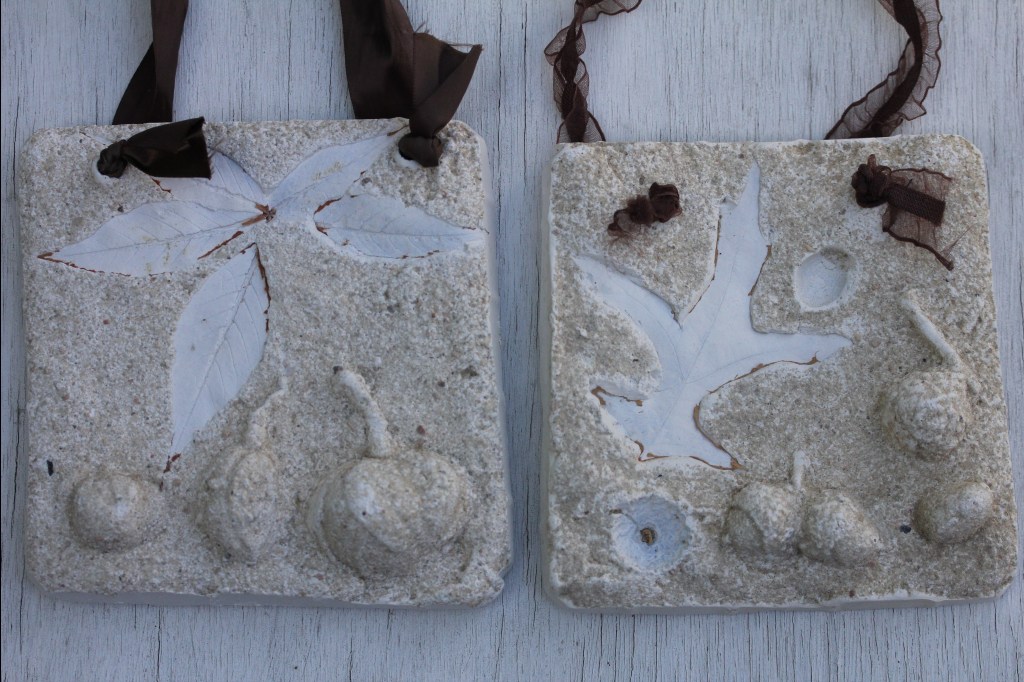
Botanical Casts of medicinal trees
We do a lot of art and craft projects that use plants as a materials or themes.
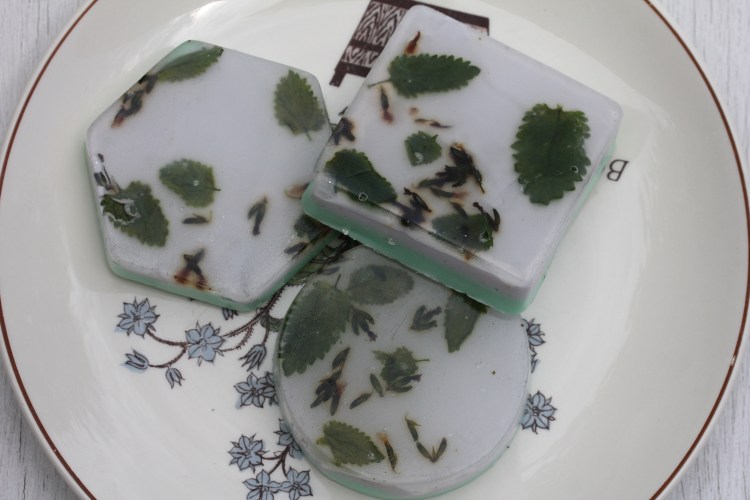
Homemade soaps with herbs
My girls like to make a lot of “beauty products” and self care items from the herbs in our garden. They have made lotion bars, bath salts, and vapor discs for the shower just to name a few.
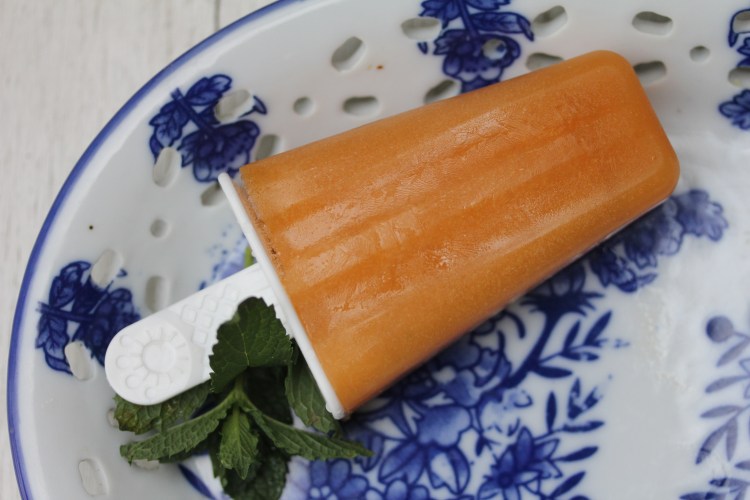
MInt, macha, and melon popsicles
There a lots of really simple and easy recipes that are child friendly.
resources for kids
There are not as many resources as I would like for kids but what I have been able to find is pretty good and suits our needs.
Misc. Picture books
I Am A Medicine Woman Too by Jesse Wolf Hardin
The Wise Woman and Her Secret by Eve Merriam
My Grandfather Is a Magician by Ifeoma Onyefulu
My Tata’s Remedies by Roni Capin Rivera-Ashford
Clara and The Curandera by Monica Brown
The Shaman’s Apprentice by Lynne Cherry
Tashi and the Tibetan Flower Cure by Naomi C. Rose
The Herbalist of Yarrow A Fairy Tale of Plant Wisdom by Shatoyla De La Tour
Welcome Weeds!: A Children’s Guide to The Wild Garden by Kimberly Eve
Keepers of Life: Discovering Plants Through Native American Stories and Earth Activities for Children by Michael J. Caduto
Novels
The Games of Silence (and other books in the Birchbark House Series) by Louise Erdrich
Matilda Bone By Karen Cushman
Happy Birthday Josefina by Valerie Tripp/ American Girls
Warriors series-Erin Hunter (it is cats but my daughter has learned about several herbs)
Tortilla Sun by Jennifer Cervantes
Falling In by Francis O’ ‘Roark Dowell. A very well done book that features an herb at the beginning of each chapter.
Aria of the Sea by Dia Calhoun.
Where The Lillies Bloom by Vera and Bill Cleaver
I have come across several books with herbalists as main characters for young adults/teens but I honestly can’t recommend them for various reasons.
Games
Herbaceous or Herbaceous Sprouts (you probably don’t need both)
Wildcraft An Herbal Adventure Game (by the same people who did the Herb Fairies Series
Wild and Free Plant Identification Card Game (can order on Amazon)
Shanleya’s Quest Patterns in Plants Card Game, Decks 1 and 2
You might also find some printable resources on Etsy if you do a search
Coloring Books
Herbs Coloring Book by Stephen Bernath/Dover Publishing
Medicinal Plant Coloring Book An Herb Guide by Lilt Kids Coloring Books/James Stewart
Medicinal Plants Coloring Books by Ilil Arbel/Dover Publishing
The Botany Coloring Book by Paul Young
Books for Identifying of Plants
Flower Fairies series of books (6) by Cicely Mary Barker
Berries, Nuts, and Seeds by Diane L. Burns/Take Along Guide
Trees, Leaves, Bark by Diane L. Burns/Take Along Guide
Wildflowers, Blossoms, and Blooms by Diane L. Burns/Take Along Guide
An Introduction To Trees by John Kieran
An Introduction To Wildflowers by John Kieran
A Golden Guide Trees
A Golden Guide Weeds
A Field Guide to Wildflowers of North America by Frank D Venning
Reader’s Digest North American Wildlife
Field guides for your local region/ecosystem (Partners Publishing or Peterson)
Botany
Shanleya’s Quest A Botany Adventure for Kids by Thomas J. Elpel
Shanleya’s Quest 2 Botany Adventure at the Fallen Tree by Thomas J. Elpel Illustrated by Bonnie Andrich
Botany In A Day The Patterns Method of Plant Identification by Thomas J. Elpel
A Seed Is Sleepy by Dianna Hutts Aston and Sylvia Long
The Reason For A Flower by Ruth Keller
Eyewitness Tree by David Burnie
Eyewitness Books Plant by David Burnie
The Visual Dictionary of Plants (Eyewitness/DK)
Botany Adventure Curriculum by Kym Wright (worksheets)
Botany In Eight Lessons Curriculum by Ellen Jonston Mc Henry (textbook and worksheets)
The First Book of Plants by Alice Dickinson
Look At a Flower by Anne Ophelia T. Dowden
Books for Learning About Medicinal Plantsand How To Use Them
Herb Fairies series of books (13) by Kimberly Gallagher
Walking The World in Wonder A Children’s Herbal by Ellen Evert Hopman
A Kid’s Herb Book by Lesley Tierra
Herbal Adventures: Backyard Excursions and Kitchen Creations for Kids and Their Families by Rachel Jepson
The New Age Herbalist by Richard Mabey or The Desktop Guide to Herbal Medicine by Brigitte Mars (any well organized, easy to use, attractive reference book will do)
The Herbal Medicine -Makers’s Handbook by James Green
The Big Book of Backyard Medicine by Julie Bruton-Seal and Mathew Seal
Science Experiments, Activities, Crafts
Looking At Plants by David Suzuki
Learn and Play In The Garden by Meg Herd
Biology Experiments for Children by Ethel Hanauer
Reader’s Digest How Nature Works by David Burnie
Janice VanCleave’s Plants, Mind Boggling Experiments You Can Turn Into Science Fair Projects by Janice VanCleave.
Check out you local library, the will have lots of books that have experiments and activities involving plants
Drawing, Illustrating, and Painting Plants
Botanical Sketchbook, A Guide and Inspiration for any Botanical Artist (or any other book on Botanical Illustration)
Brush Drawing by May Mallam
The Laws Guide to Nature Drawing and Journaling by John Muir Laws
Drawing From Nature by Jim Arnosky
Janet Marsh’s Nature Diary by Janet Marsh
Painting Nature In Watercolor With Cathy Johnson by Cathy Johnson
New Eyes for Plants A Workbook for Observing and Drawing Plants by Margaret Colquhoun and Axel Ewald
Nature Journaling
Keeping A Nature Journal by Clare Walker Leslie and Charles E. Roth
How To Keep A Naturalist’s Notebook by Susan Leigh Tomlinson
Websites
Herb Academy
Herbal Roots zine
LearningHerbs
Wild KIds
Wild Craft Kids Club
Outschool
What resources have you come across for kids. I would love to add those to my list.







 Blackbird's Backyard Pharmacy