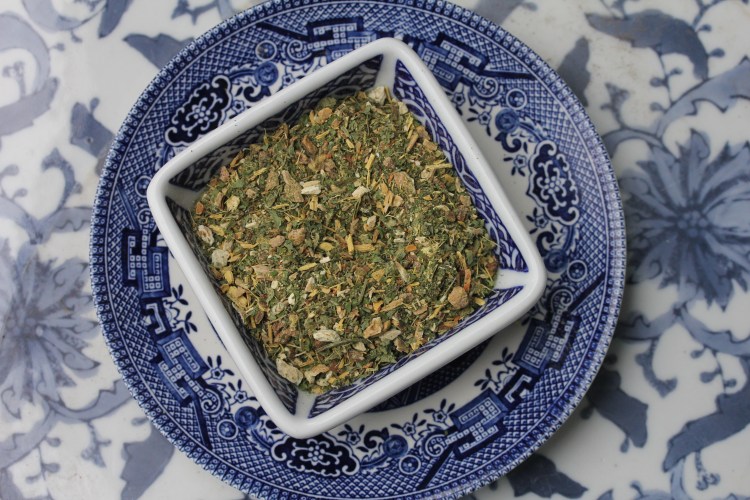
Soothing Lung Tea (VALERIAN)

I have been growing a single valerian plant in my garden for years. I purchased it as a start from a source that no longer exists. I don’t know how easy it would be to grow it from seed if I had too. I rarely have luck with medicinals that way, having better success with transplants. I recall reports of myself and others having too strong of a reaction (intense dreams) to valerian. Instead of a tincture of the fresh root, this tea makes use of the leaves to lower the dose of chemical constituents and energetics.

Valerian brings to mind the neighborhood cats who tried to dig up the roots decades ago, exposing them to air and sunlight. The unpleasant scent released being attractive to many animals. Those felines don’t even bother the catnip anymore, let alone my valerian which now stands neglected in a corner of my yard. It has always been a small plant. I am surprised it comes back each year. It is not lush with growth due to all the rain we have had, unlike its neighbors. Either I planted it in the wrong spot or it is failing to thrive because I give it so little thought, appreciation, and don’t really have a use for it. I don’t really like to harvest my plants for their roots. I was excited to come up with this formula for a lung tea as it uses the leaves of the valerian plant.

This tea has equal parts of dried and processed-licorice root, ginger root, mint leaves, elecampane root, anise hyssop leaves , mullein leaves, horehound, marshmallow root, and valerian leaves. Plants known to cool, soothe, move stagnation, loosen phlegm, relax muscles/spasms and stop those coughing fits that prevent sleep.

To make it you need to bring two cups of water to a roaring boil, add in 2 TBSP of the tea mixture. Reduce the heat to a low temperature and simmer 15 minutes before straining and consuming. Using a lid on the pot will help hold in some of the volatile oils that will be lost.

Latin name: Valeriana officinallis

Plant family: Valerianaceae

Parts used-most often the root, sometimes the leaves

Energetics: spicy/pungent, bitter, warming, sweet, dry

Element: air

Emotional/spiritual uses: supports self reflection without pity or judgment. Allows us to focus on our self worth and value during difficult periods where we might feel guilt, shame, or regret.

Contraindications: best avoided in people who have a “heat” condition or are “overexcited” in their presentation. Large doses it can cause headache, hallucinations, nausea, agitation or lethargy, and the inability to control movements. A small number of people have disturbing dreams or feel wired with its use. If this happens it should be discontinued. Do not use if you are have low blood pressure or hypoglycemia. Should not be used by individuals taking sedatives or tranquilizers, medicine for low blood pressure or anxiety. Not considered safe during pregnancy or internally for children under the age of three. Some believe prolonged use causes addiction. Use caution if operating heavy/dangerous machinery or when driving.

This plant can be found growing in damp places like low lying meadows, woods, marshes, swamps, and along the banks of rivers or lakes. It is a tall perennial with a few, erect hollow stalks that are round and thickly furrowed. True valerian is topped with umbels of small, white flowers that smell like vanilla. These have five petals which join to form a calyx. Cymes/compound inflorescences are set at the ends of long pairs of stems set at right angles. The oddly pinnate leaves are made up of coarsely serrated, divided, lance shaped leaflets that are opposite. Leaves are long stemmed and wrap around the stalks as broad sheaths at the base. The rootstock (rhizomes and stolens) smell like sicky sweet “dirty socks”, especially when dried or freshly tinctured. These are grayish brown and short in length.

Valerian is useful as an antispasmodic and to calm/sedate. Historically it has treated back pain, neuralgia, sciatica, earache, depression, restlessness, epilepsy, insomnia, stress, anxiety, panic attacks/PTSD, nervous heart conditions, fatigue, heart palpitations, high blood pressure, spams of the respiratory and digestive systems, ulcers, diarrhea, gas, colic, gastric reflux/vomiting, IBS, epigastric spasm, migraines, rheumatism, menstrual cramps, tight muscles, PMS, parasites, poor appetite, tension, coughs, colds, flu, fever, arthritis, and gout. Some people have used it during the day to increase performance, focus, and memory. It is great in a bath or steam especially for children when there is nervous exhaustion. In some cultures the root is used in food.
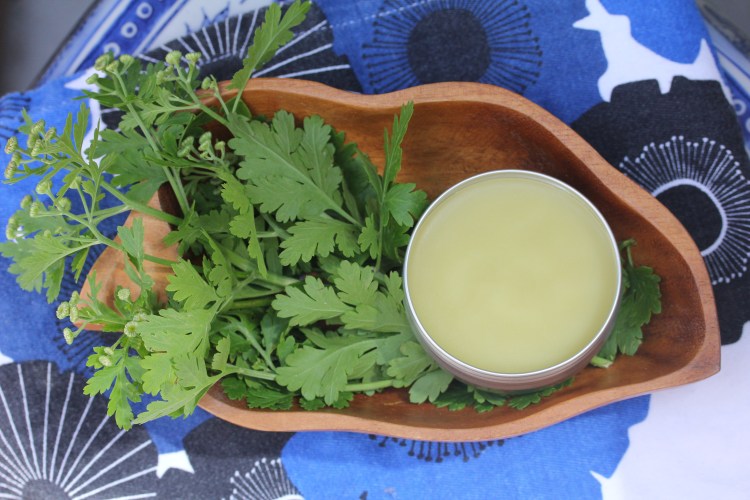
Anti-Itch Salve (feverfew)

We have had an atypical amount of rain this June. There is minor street and underpass flooding most afternoons. I am anxiously watching the water table and creek levels hoping that we don’t have a repeat of the 2013 100 year flood. I have never see the foothills so green nor the rural fields and roadways so lush with growth. It has been too wet and cool to harvest anything. It just molds or ferments in my drying baskets. I lost this years harvest of dandelion leaves. I never fully appreciated the advantages of living in a hot and dry climate. The herbs dry so quickly and effortlessly. Rarely requiring me to use the dehydrator. Many of my medicinal plants are already over my head. It will be hard to plan this herbal year as both me and the plants are getting behind. I expect a bumper crop of mosquitos this year, biting at all times of the day and night. This salve will come in handy.

I made an infused oil using equal parts of fresh chamomile, mugwort, yarrow, calendula, feverfew, hops, lemon balm, lavender, coriander, plantain, thyme, sage, basil, and echinacea. Herbs know for their healing, cooling, anti-microbial, bug repelling and soothing properties. This oil is my base. It will be used in my basic salve recipe.

Basic Salve Recipe

I start with one cup of infused oil. I use organic US grown olive oil as it produces a more reliable result. Next pack a 16 0z. jar with clean, dry leaves if using fresh. Do not crush or macerate the leaves during processing to avoid releasing water into your infusion. Fill the jar to the rim with oil, making sure no plant material has risen above the oil. If so it can be poked down gently using a knife or chopstick. Screw the lid on tightly and set the jar on a saucer in case there is expansion. Let set exactly 2 weeks before straining. 

Next you will need

2-3 ounces of beeswax pellets

1 oz of shea butter

Add your strained oil infusion to a double boiler. Heat on medium for 5 minutes. Add in the 2 ounces of beeswax and all of the shea butter. As soon as it is all melted and you see no floating pellets-test consistency by dipping a metal spoon into the mixture and placing it in the freezer for 1 minute. If you are happy with the result remove from the heart. If not, add beeswax and test until you are satisfied. Let cool 2 minutes . Pour into small tubes, tins or jars. Let sit 2 hours before capping and storing. If you add about a TBSSP of castor oil as you are melting it gives your salve a more silky texture.

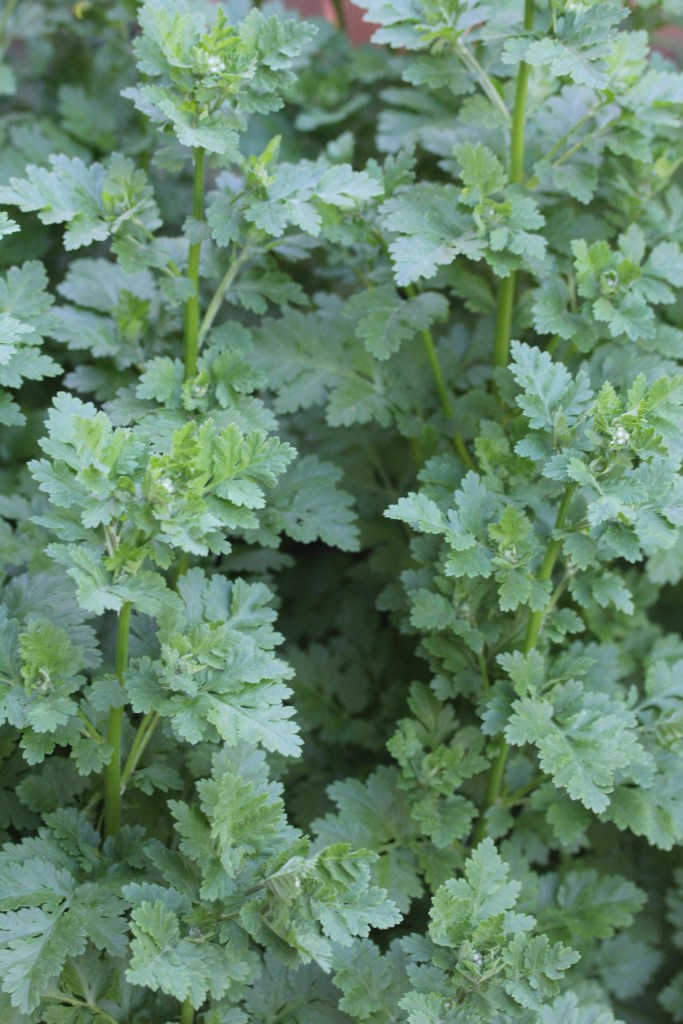
I have been growing Tanacetum for decades but rarely used it for medicine. The plant has lovely flowers which dry nicely for bouquets and it fills out an area nicely. You can find this plant in gardens and abandoned lots. It is in the Compositae/Aster family. Subfamily Anthemideae/Chamomile. Do not confuse it with Tanacetum vulgare (Tansy). Feverfew has light green feathery leaves arranged alternately on a round stem. It grows 6-18 inches high. The plant has a strong distinctive smell that is not quite pleasant. The flowers look like small daisies with white “petals” and a yellow center, If self seeds and spreads easily. It is not too invasive if you remove dead flower heads. Feverfew will grow in any type of soil and in most locations. It looks great for most of its season as a hardy perennial.

It is a mystery to me why more herbalists do not use this plant. It has been used to treat inflammation, digestive issues, allergies, arthritis, nausea, spasms (menstrual and muscle), asthma attacks, depression, menstrual problems, fever, flu, and colds. Externally is can be used to heal bruises or soothe insect bites. It is one of the first herbs to get a scientific study. Feverfew is best known as a very effective preventative strategy for migraines. As a compress it can relieve a headache. In a spray it can be part of a formula for a bug repellant. It is worth paying attention to feverfew right now because it prevents blood from clotting and inhibits the the release of inflammatory substances from the cells. It is also a powerful anti-microbial.

Latin name: Tanacetum parthenium

Plant family: Compositae/Aster/daisy

Parts used: leaves and flowers

Energetics:sweet, warm, moist

Element:fire

Emotional/Spiritual Uses: cleansing

Contraindications and Cautions: may cause mouth sores ,irritate the stomach or cause dermatitis in rare cases. Avoid during pregnancy and nursing. Do not consume if you are taking blood thinners, have a surgery planned or are allergic to plants in the ragweed family.

Vegan Kuku with Nettles, Mushrooms and Smokey Red Pepper Sauce

A kuku is a Persian frittata that is loaded with leafy greens like spinach, cilantro, and parsley. Some recipes go for a pie or quiche like shape, baked in a cast iron pan. Others are more crepe like ,done on a sheet pan, and the result is then rolled and cut like sushi. Since I wanted to try using “vegan mung bean eggs”. I went for the roll and stuffed it instead of mixing the ingredients into the batter, as this was an experiment. I have tried to make a mung bean omlette. I have attempted frittatas made from garbanzo bean flour. But the results are always “raw” in the middle or they scorch onto the surface of the pan and can be removed easily. Using a sheet pan was a game changer, fully cooked and great texture. I think even better than if I had used real eggs. I will definately be making this again but I will add green olives and roasted walnuts to my filling.

Batter mixture

1.5 cups of split, peeled mung beans (dried and uncooked) soaked in water overnight. Drain the water when ready to make the batter.

1 TBSP of water

1 tsp of salt

1 TBSP of zaatar spice mixture

Place all ingredients into the processor of your choice and blend until you have a smooth batter

Coat a 9X 12 metal sheet pan with a generous amount of olive oil

Spread the mixture out evenly onto the pan, tap pan on the counter to level.

Bake at 350 for 15 minutes. Check every 5 minutes, and poke any developing bubbles with a fork to deflate. Edges should just be starting to crisp, the top should be firm and cooked. The bottom should no be burning or sticking to the pan. Remove from the oven and prepare to assemble and roll.

While your “crepe” is cooking make your filling and sauce

Filling

4 medium mushrooms finely chopped

1/2 tsp of salt

1-2 cup of chopped fresh nettles

1 TBSP of finely chopped fresh cilantro

1 TBSP of finely chopped fresh parsley

1 TBSP of olive oil

Saute all the ingredients on medium heat until soft

Pepper Sauce

1 medium red bell pepper coarsely chopped

4 large chive blossoms (or 2 cloves of garlic)

1/2 tsp of smokey red paprika

1/2 tsp of ground coriander

1/2 tsp of cumin

1/2 tsp of salt

Use a large metal spatula to gently peel the entire kuku from the surface of the pan. Spoon the filling onto the middle, leaving two small bare edges. Start rolling. It should be pretty easy and stay in place. Cut in half. Place onto plates and spoon the pepper sauce on. Eat immediately. Without the sauce the rolls would be great wrapped in foil for an easy transport picnic or hike meal. The texture would change a bit and I would let them full cool.

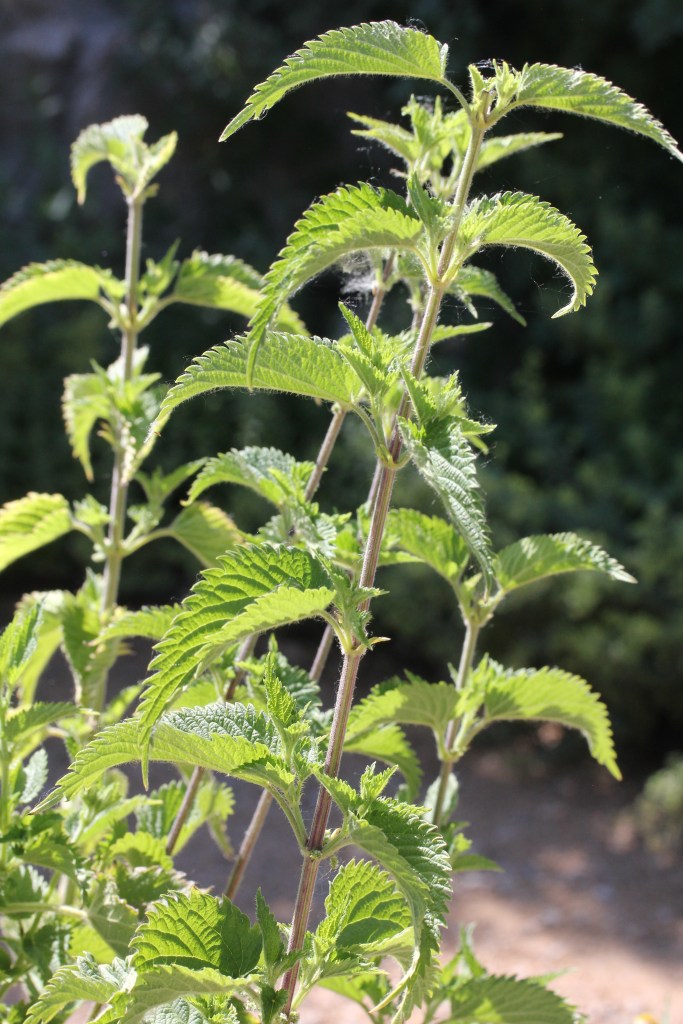
Nettle is hardy perennial in the Urticaceae family that grows 2-7ft high. It has dark green hairy/downy (underneath) stinging leaves that are lance shaped with serrated margins. Arranged alternately on stinging square stems. The yellow roots are tough and tangled. The flowers are very tiny, light green, and on auxiliary clusters. It can be found growing in large abundant patches in the woods, along rivers, roadsides, in fields and cultivated in gardens. It prefers likes sun and nitrogen/organic matter rich soil. It does not like dry conditions. Male and female reproductive parts occur on separate plants.

Nettle has a nasty sting but it is strong and very useful medicinal plants. The young tops are high in vitamins, chlorophyll, and minerals making them a nutritious spring green that can be used in soup, stews, stir fry, pesto, and baked goods. It is one of the few foods that has vitamin C with iron for perfect absorption. This herb counteracts inflammation, supports the body to produce antihistamine, and binds immunoglobulin G-making it helpful for all kinds of allergies (food and seasonal). Supports the secretion of uric acid. It builds and cleanses “blood” for females of all ages and increase circulation. Historically it is has been used to treat anemia, internal bleeding, arthritis, rheumatism, gout, asthma, enlarged prostate, urinary problems, kidney stones/issues, poor milk supply, menstrual problems, heavy periods, colds, bronchitis, sinus infections, high blood sugar/diabetes, cardiac disease, high blood pressure, fluid retention, fever, blood clots, acne, yeast infections, hives, tendonitis, sciatica, poor circulation, sore muscles, night sweats, low blood sugar, neurological problems/infection, hypothyroidism and headaches. Nettles assist the body to clear poison and venom.

Humans have also used nettles for rope, cheese making, textiles, paper, dye, insect repellant and compost.

Parts used: aerial tops, leaves, stems, rhizomes and roots.

Energetics: cool, bitter, dry, salty.

Element: fire

Emotional/Spiritual Uses: releasing an anger that “stings” , establishing boundaries.

Contraindications: Eating late season plants uncooked/raw may damage the kidneys (due to high levels of nitrates) and irritate the digestive tract. The “hairs” on the fresh plants will inject an irritating substance under the skin that can cause pain and rashes. Handle with care. Most people consume this plant only by drying or cooking it. In sensitive/deficient individuals it may irritate the kidneys with prolonged use. Otherwise it is very safe for everyone.

Rhubarb and Lemon Balm Kompot

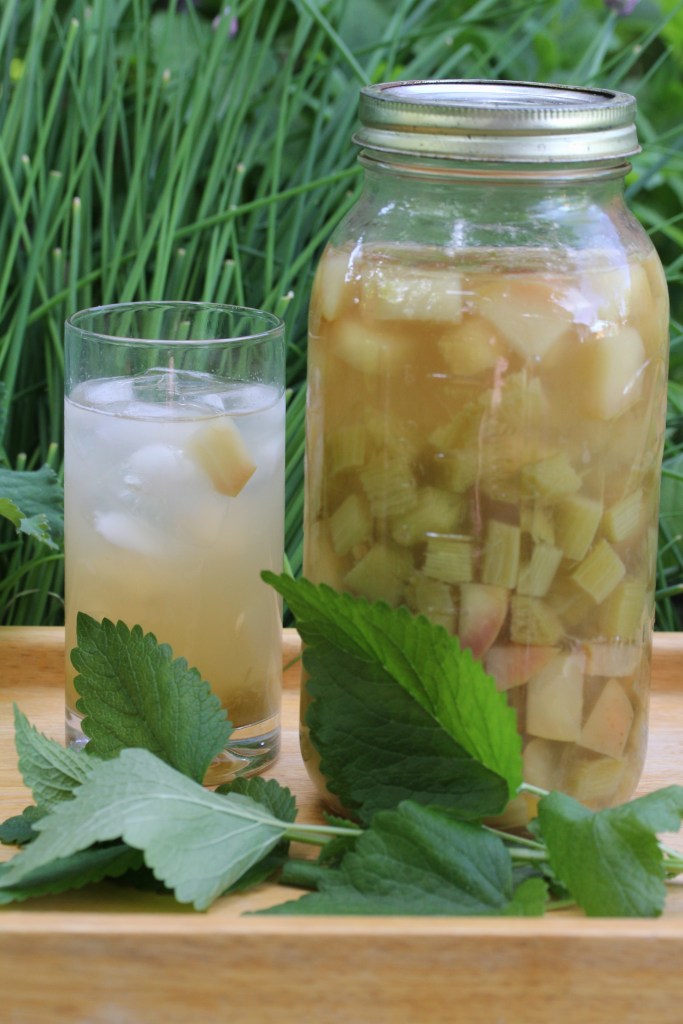
What is kompot/compote? It is a non alcoholic drink made with a combination of fresh fruits ( stone fruits and berries), sweetener (sugar or honey) and spice (cinnamon, clove, vanilla, etc.) It is not fermented like kvass or an oxymel. It can be served hot, room temperature or chilled. It is popular in Eastern Europe, the Middle East and the former USSR. It was created to use up large amounts of fruit and in times before canning or certain types of food preservation. It is very refreshing in summer or warming in winter. It is often very lovely to look at too, ruby red is a common result.

My teens were totally willing to try this once I called it “rhubarb lemonade”. Lots of ice is really essential to the aesthetic experience on a hot summer day. It was a big hit with my family. “Leftover fruit” can be mixed into yogurt, granola, turned into a spread, put in a smoothie etc.

Rhubarb and Lemon Balm Kompot

Bring 6 cups of water to a roaring boil in a large stock pot.

Add 1 generous bunch or handful of fresh lemon balm leaves, do not chop.

Reduce heat and simmer for 15 minutes.

Strain out the lemon balm with a slotted spoon, leave the infusion behind

Add in…..

3 stalks of rhubarb coarsely chopped-2 cups

2/3 cup of sugar

1 apple coarsely chopped-2 cups

6 whole crushed green cardamon pods

1 whole lemon, seeds removed and sliced.

1 tsp of finely chopped fresh ginger root, peeled first.

Reduce to low and simmer 20 minutes. Turn off heat.

Let cool to room temperature. Refrigerate and serve over ice.

There is no need to strain out the cooked fruit and spices. They are part of the beverage.

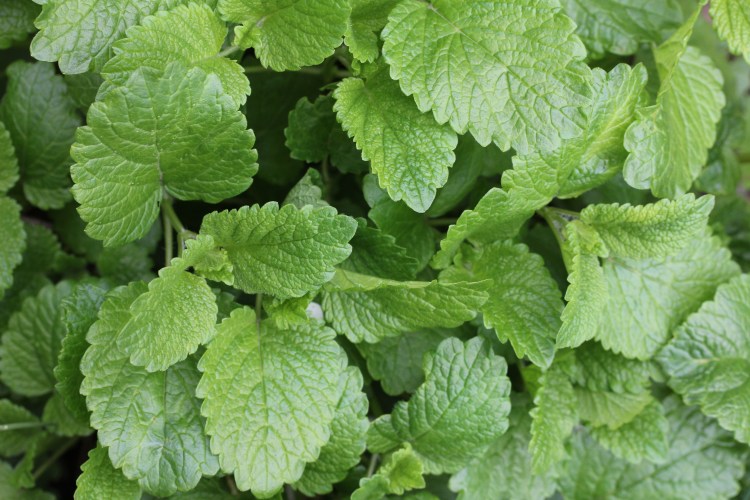
Lemon balm is a perennial found in the Mint family. Its many tall, auxiliary, four sided stems have very small two lipped flowers at their tips. A favorite of bumblebees these can be white, lavender or pink. The leaves are brilliant green, heart shaped/oval with a point. These are oppositely arranged with slightly serrated margins. Most members of the Mint family possess highly aromatic essential oils which repel pests. Mellissa has a unique smell of artificial lemon. This herb can grow as high as two feet tall. Easy to grow- it prefers moist, rich, well drained soil in shade or partial sun. Lemon balm grows well in pots and in most climates but can self seed and become an invasive plant. Remove volunteers/babies as they appear to prevent this.

Melissa is versatile and has a long history of use. It is cooling, calming, and cleansing. Its antispasmodic action makes it useful for treating menstrual cramps, general pain, headaches and infant colic. As a digestive it reduces indigestion and gas. High levels of the volatile oil cintronellal are helpful for depression, insomnia, restlessness, nightmares, teething, and anxiety. Lemon balm is a favorite tea with children due to its mild taste. Powerful antiviral and antibacterial properties make it popular to treat childhood illnesses, the flu, colds, and viruses in the herpes family. As an antihistamine it is useful for allergies and eczema.

Lemon balm can be applied externally on sunburn, wounds, burns, insect bites, and boils.

Medicinal Parts:leave and immature tops. Due to loss of volatile oils it is better to use it fresh or frozen rather than dried.

Energetics:sour, cool, dry

Element:water

Contraindications:Hypothyroidism. If you have a bee venom allergy do not use the essential oil in homemade bug repellant as bees love the smell.

Lemon balm appears in recipes to wrap fish. It can be a substitute for basil or parsley in pesto, salsa and tabouleh. Replace it for green in salad, soups, and sauces. Try it in a jelly, curd, or butter. Slip it into muffins and other baked goods.

Dream Dust (CALIFORNIA POPPY)

I have tried many remedies for sleep support in my kids (who are now teens). Glycerites, syrups, teas, tinctures, and flower remedies. This idea has been the most successful. The key is calling it “chai”. During the summer I chill it and throw in some boba. It also helps that is does not look like medicine or have an herbal taste.

Dream Dust

Grind the following measures of dried herbs and set aside-

2 TBSP of California Poppy Flowers

1 TBSP of hops flowers/cones

2 TBSP of tulsi

2 TBSP of rose petals

2 TBSP pf white vervain leaves

2 TBSP of skullcap

2 TBSP of mugwort leaves

2 TBSP of catnip

2 TBSP of rose petal

2 TBSP of chamomile flowers

Grind 4 TBSP of coconut sugar with

1 TBSP of oatstraw

1 tsp of lavender flowers

1/8 tsp of cardamon powder

1 TBSP of dried orange peel

Mix everything together.

Measure out 1 tsp of dream dust and add to the hot “dairy” beverage of your choice right before bedtime. Stir, let steep for 5 minutes and then strain. Consume when warm. Store unused dust in a jar that is stored in a cool, dark, place. For young people consider adding a bit of vanilla extract. If you want to skip the straining step you can use a fine tea filter.

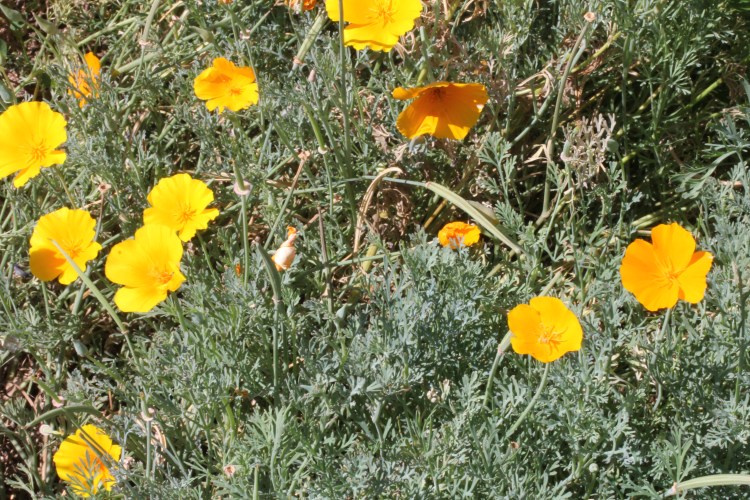
This plant is a perennial or annual in climates with colder winters. Leaves are alternative, feathery ( finely dissected), and sage/blue green. Bright orange flowers have four petals, numerous stamens, and long needle shaped seed pod. It can grow 1-3 feet high, its long stems filled with white sap. Prefers growing in a well drained, sunny location.

Historically California poppy has been used for mild pain relief, sleep support, insomnia, fever, diarrhea, anxiety, headaches, stress, and coughs.

Latin/Binomial name: Eshscholzia californica

Botanical Family: Papaveraceae

Parts used: flowers, the whole plant

Energetics: cooling, dry, bitter

Element: air

Contraindications: considered safe for everyone is reasonable doses. Individuals with depression should not use this herb. Non addictive.

Spiritual uses: to support balance, positive spiritual growth, opening the heart, and trust in ones inner wisdom. Teaches us to depend on ourselves and our resources rather than things offered up by others. Useful when there is a situation involving addiction, restlessness, fantasy, or unhealthy attraction/dependence on another person.

You may have trouble finding much on the medicinal uses of this state flower of California

-May you sleep deeply and have lovely dreams