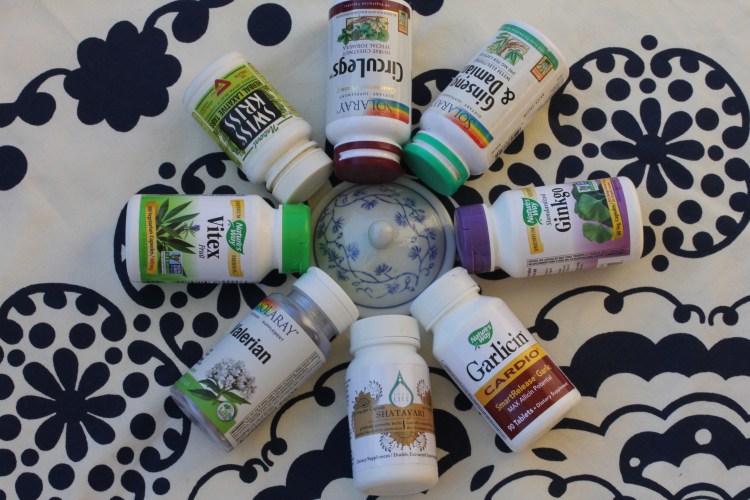
I was shopping at the local grocery store one day when I overheard one of the employees complaining about a new policy. “Why are we phasing out plastic bags in the produce department when we should be focused on getting rid of all those plastic bottles in the supplement aisles?” Good question! Why do we put herbal formulas in a “container” full of wood/corn pulp (cellulose capsules), micro particles of plastic (the bottles), and ingredients that otherwise would be considered waste material (leftovers from some industrial, chemical, or manufacturing process)? Why do we not know more about the major pharmaceutical companies behind those “natural” sounding brand names on the labels? Why do we never consider what is missing when we consume a heavily processed substance in a manufactured package? What if that supplement could be causing us more harm than good? What if you could get all your vitamins, minerals, nutrients, and health support just from what you grow, make and eat? (maybe you could work with a neighbor, friend or your community if their are obstacles). I know the food for healing movement is taking off in many neighborhoods as people of color reclaim their cultural traditions and heritage.
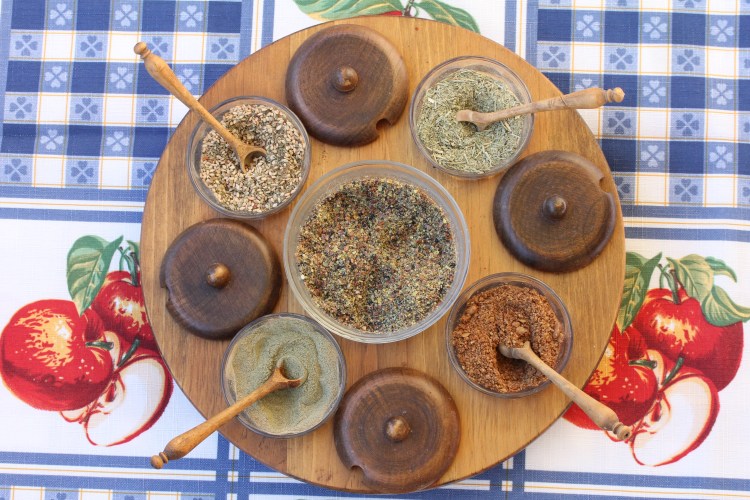
I was reminded when studying the traditional healing arts of Mexico that cultures all over the world once used food for healing. Most households, rich or poor, had a backyard pharmacy/garden and someone in the family who knew how to use it. Those living plants were free, they were safe with few if any side affects, they worked for most health issues, and they were easy for anyone to access. I would also add that they did not produce any waste (other than what could be composted), they provided food and habitat for other species (like pollinators), and they were gathered sustainably (unlike the mass harvesting that goes on in the wild for the supplement industry). I no longer buy bottled herbs from my grocery store. I have learned that the daily consumption of healing herbs in the form of capsules, tinctures and decoctions is not a good strategy to support health in the longterm. Instead I focus on using fresh plants in weak teas, what I would define as nutritive herbs, or I use herbs that we typically call “spices” when I cook and in homemade condiments. Over the last century, due to migration and modern lifestyle, we have lost a wealth of knowledge and skill sets. Skills I will address in later blogs. But when it comes our birthright ( basic herb lore), Americans no longer remember the powerful healing potential of simple oregano and basil (so easy to grow anywhere). Instead we import exotic plants like ginko bibola, and gotu cola from other countries because we have been told by clever marketing that these herbs are very beneficial. Even worse we now grow non native plants like mint in foreign countries so that it can be harvested and packaged very cheaply there. Then we import a product back to the US to be sold in stores. Not a sustainable or just practice (for those farmworkers and their families) at all. I hope that after reading this post some of you will consider which mandala and values you choose to support in the future. By growing and using your own plants as food to support health, you are passing on invaluable knowledge and skills to the next generations. You are providing things to your family and community that may not be clear now but will be understood with time. In my next post I will write about the condiments I have made and include several recipes. Until then if you have some of those bottles in you cupboard, you might want to research some of the ingredients and their sources.
 Blackbird's Backyard Pharmacy