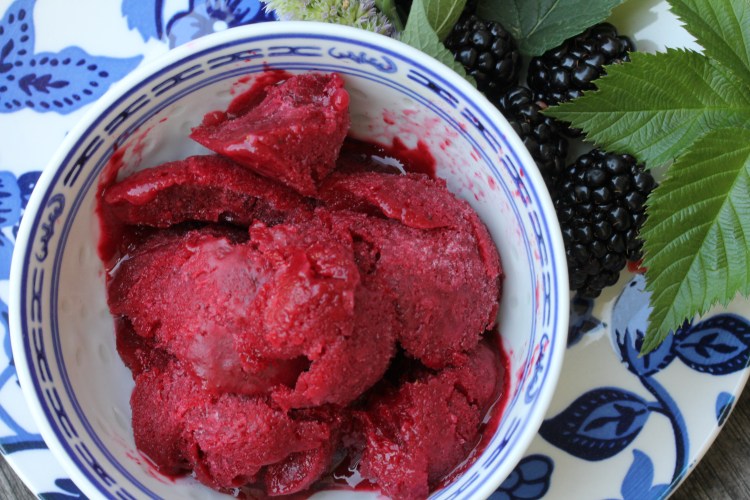
Blackberry and Anise Hyssop Sorbet

I have a bumper crop of blackberries this year. They are tarter than my raspberries, so my girls do not often pick them off the vine for snacks. They also deteriorate within 24 hours once picked. This is quick and easy way to make a frozen dessert using any overabundant berry. This recipe is one of the best sorbets I have ever eaten. Almost a tie with the passionfruit from our local ice cream store. But you have to be a fan of anise as I am.

2 cups fresh blackberries
1/2 cup rice syrup or honey (to taste)
1/3 cup of anise hyssop flowers

Put berries and flowers into a food processor and blend until smooth. Strain out the seeds through a fine sieve. Pour back into the processor and add the liquid. Pulse for 30 seconds to mix. Scoop into an appropriate container and freeze overnight. Serve garnished with anise hyssop.

Agstache foeniculum

Agastache is in the mint family. It is one of the few cultivated medicinal herbs that is native to North America. This perennial grows up to three feet in height. It has brilliant green leaves that are oval/spade shaped with pointed tips. These are oppositely arranged on a square stem and have a fuzzy underside. Anise hyssop has very small purple/blue flowers densely arranged on a spike, typically at the end of each stalk. It prefers to grow in moist habitats with full sun. When rubbed with the fingers the plant has a pleasant anise/spicy scent. This subtle flavor makes it fun to use in all kinds of recipes from sorbet to lamb.

Anise hyssop has a warming stimulating action that clears heat. It supports the the lungs, digestive system and spleen. Historically it has been used for bloating, nausea, gas, indigestion, vomiting and diarrhea. It can be added in a respiratory formula for flu, fever, colds, asthma, bronchitis and sore throat. The aerial parts can be used in a poultice to be applied externally for migraine, heatstroke, sore, fungal infections, bruises, bug bites, and burns.

Parts used:Flowers and Leaves

Energetics:pungent, sweet, warm, dry

Element:air

Contraindications: None, can be used regularly as a “tonic”or in culinary dishes. Anise hyssop has the same medicinal uses as Hyssopus officinalis but different essential oils and constituents. Hyssopus is much stronger and should not be taken in large doses or in the long term as medicine.

Nurturing Kids With the Herbal World

No parent or guardian likes to see their child sick and suffering. Herbs have medicinal properties that help to support the physical body. But plants also have the ability to heal the emotional/spiritual body. The following ideas 1)create a relationship between plants and a child from a very early age. 2)surround children with healing “energy” during their entire journey to wellness 3)are a tangible/physical expression of love and intention from adult to child. 4) establish a daily lifestyle of botanical medicine use that includes the whole family.

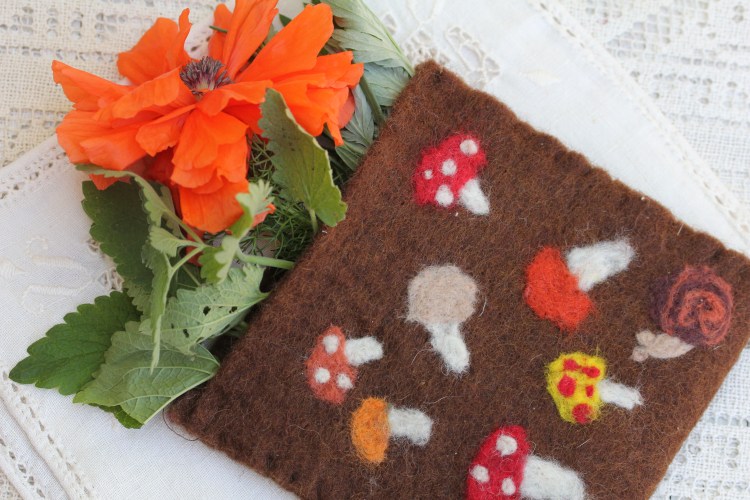
Healing Dolls if well constructed can be passed onto siblings and future generations. Designed so that fresh herbs can be quickly and easily attached to fit any need and circumstance. Whether your little one has skinned a knee or has come down with a runny nose, this poppet is bound to put a smile on their face and restore a cheerful spirit

Herb infused ice cubes are an easy project for young herbalists to make for an ailing family member. Plants that have cooling or soothing properties like mint, lemon balm, chamomile or violet can be frozen in advance for the unexpected. When someone is sick or injured they can be quickly added to any number of drinks or used as a compress. Use fresh herbs run through blender and then freeze in a tray.

Living herb basket-this is a lovely gift that an older child can make for younger one that needs some cheering up. Cut your template out of cardboard, punch some holes through it, insert your flower blooms, and decorate.

Dream pillows-make a small “pillow case” out of the textile of your choice. Fill with fresh or dried herbs for a restful night of sleep.

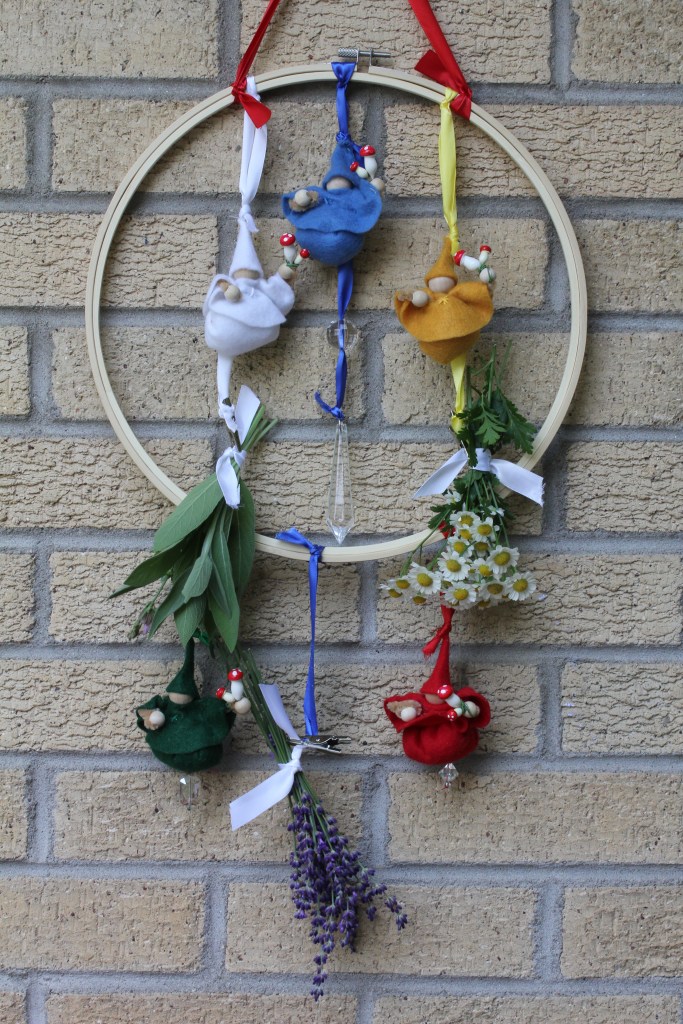
Oh how I wish I had come up with this idea when my kids were small. This simple healing mobile combines the healing energy of the five elements and freshly picked plants. Imagine waking up from a nap to this sweet surprise hanging on your bedroom wall while recovering from some childhood illness.

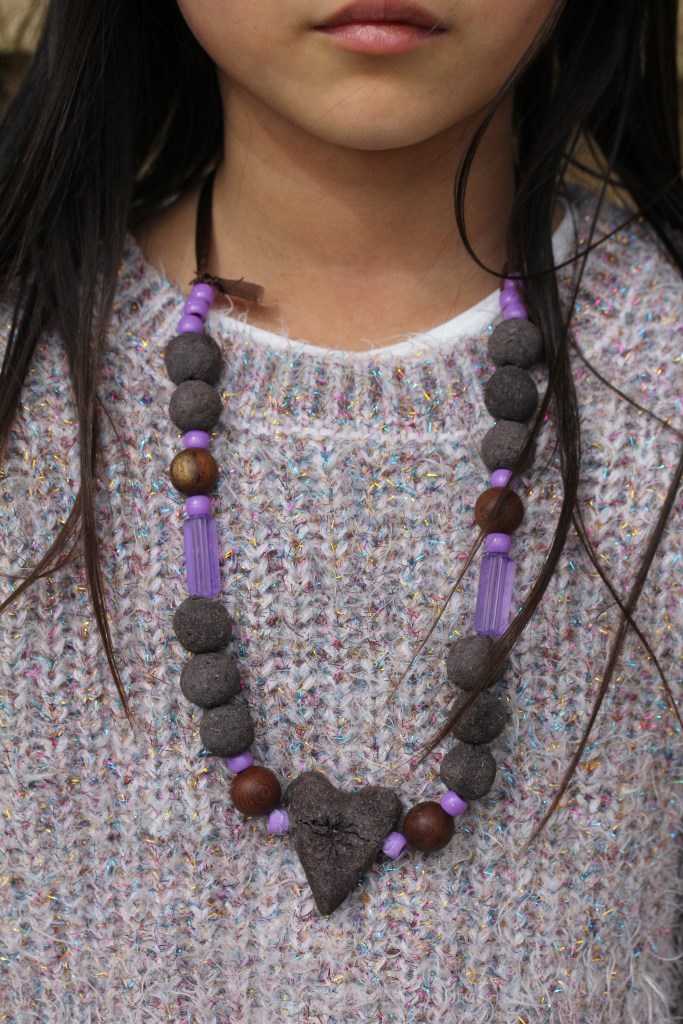
Aromatic Beads are a fun project to make when a child is bored and sick in bed. You can set up a beading station on a cookie tray and keep a someone busy for quite awhile. The beautiful results are will worth the time and effort.

Conifer Cookies are just one of many options for baking with herbs. My girls love it when I add lavender, chamomile, hyssop or calendula flowers to a special treat that I make just for them.

A carefully chosen bouquet of flowers expresses love and care. It lifts the mood with color, beauty, healing energy and aromatherapy.

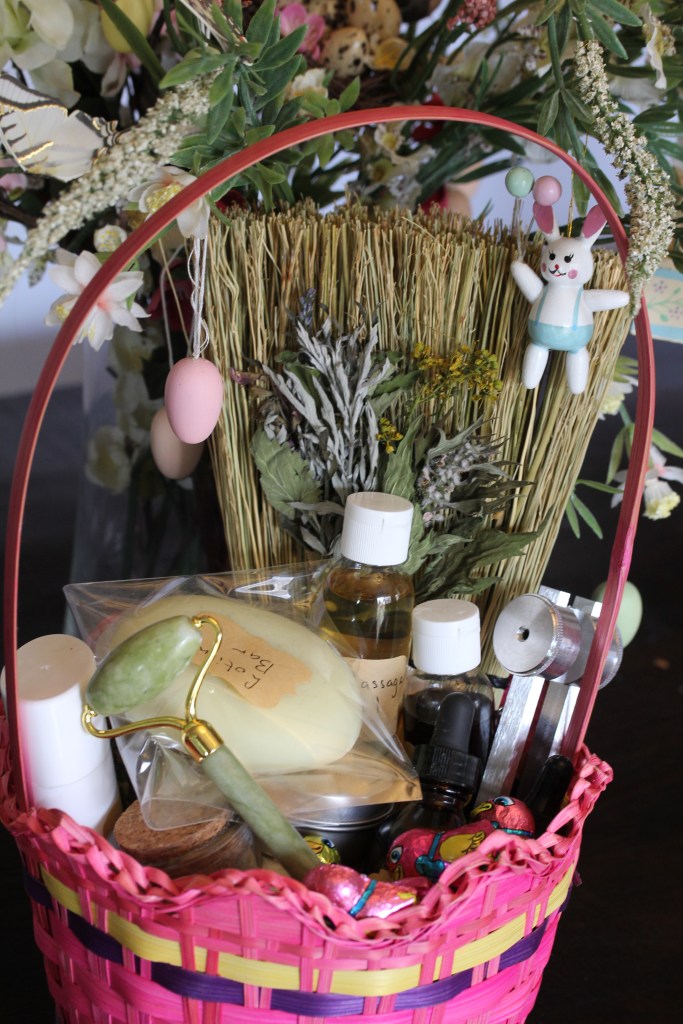
A Self Care Basket will support older kids and teens when they need extra love and attention. I made this easter basket for my oldest daughter. But dark chocolate massage oil, a jade roller, cleansing grains, facial toner, lotion bars, homemade deodorant, etc. would also be appreciated by a girl having her first menstrual period. The ideas of what to fill such a thoughtful gift full of are endless. Sometimes “not feeling well” is not an illness but due to a drop in vital energy. Self care routines are essential in lifting energy when we feel low.

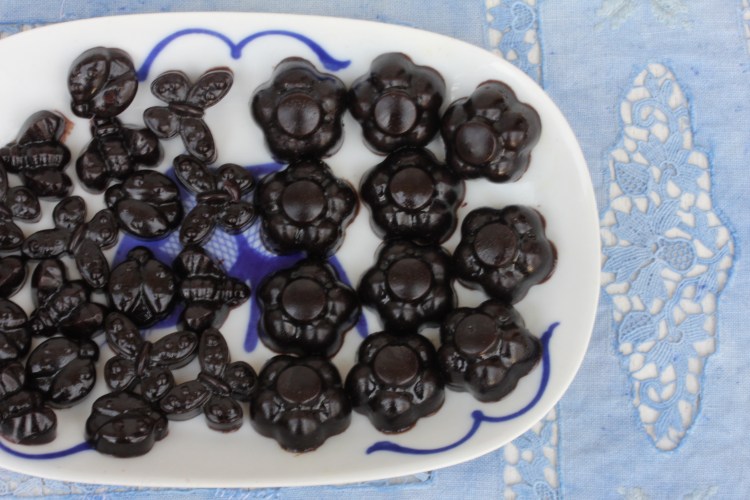
Elderberry Gummies are one of my kid’s favorite things to make. They can’t decide if they are a treat or to support health.

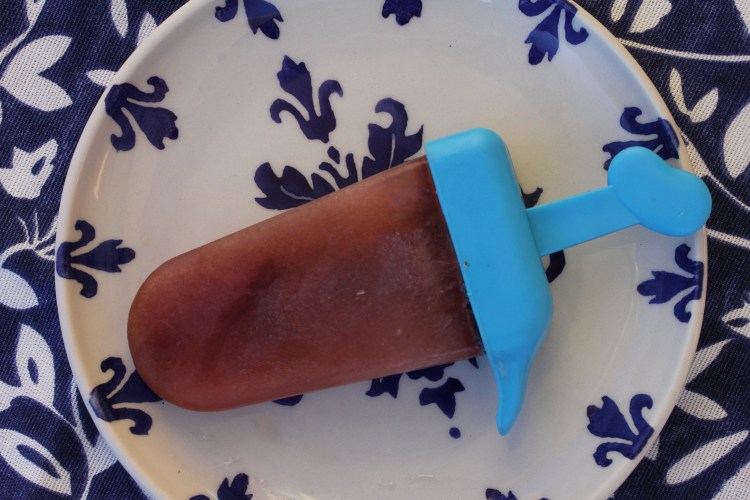
Herbal popsicles are similar to the ice cubes but sweeter and better tasting. Make an infusion of herbs, let cool, and then add fruit juice or sweetner before freezing. These work well to soothe a sore throat.

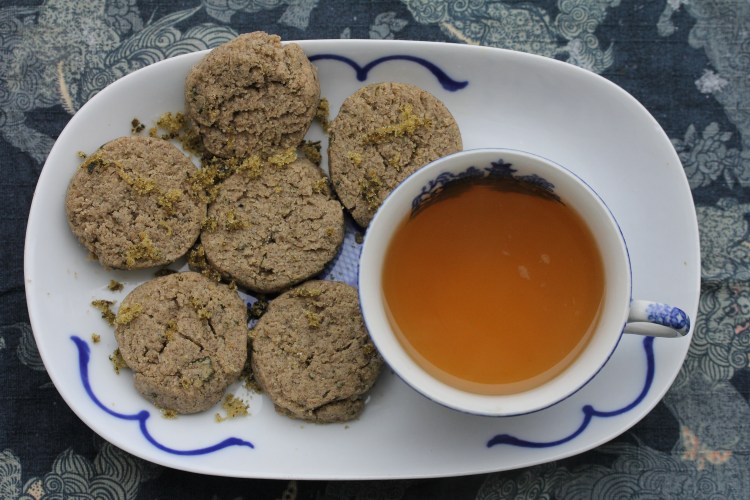
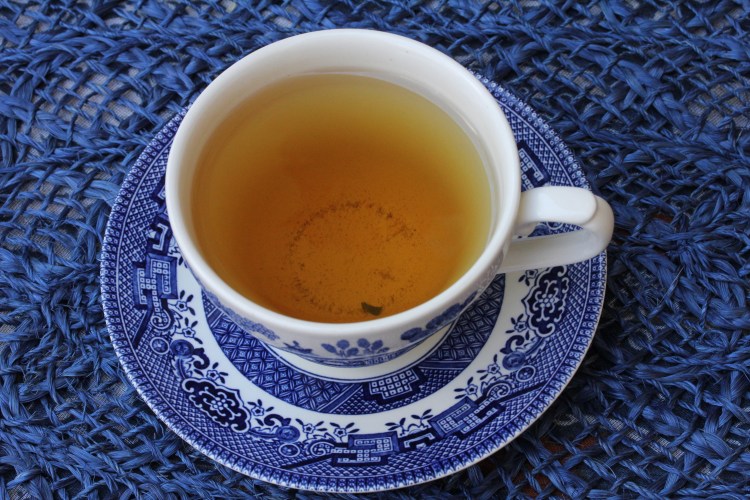
Children of all ages love a tea party, even more when served in pretty cups. Why not a beside affair with baked goods and an infusion chosen for its healing properties when a child is not feeling well.

A homemade baby powder or diaper rash cream is the perfect gift for a new baby. Babies have sensitive skin and energy. Products made from natural ingredients or using plants grown with love and combined with intention are very effective on them. You can be assured that these recipes are both safe and gentle for your newest addition.

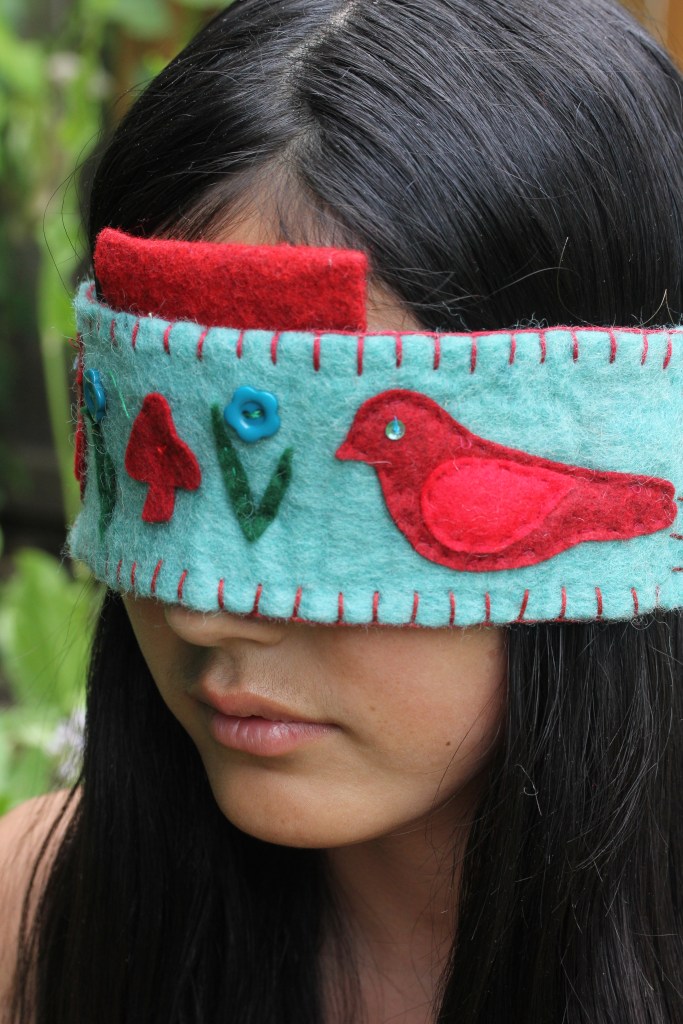
A fun and fancy compress or poultice band makes having a headache or injury a bit more endurable. I stitched one up one night while watching a movie. I soak red flannel in herbal oils or infusion then apply to the affected area. The band has an adjustable elastic strip to provide a tight fit on any body part and prevents the contents from slipping.

When my kids were young and had to attend an activity or event that made them anxious I would send them off with one of these hearts. I would fill it sweet smelling herbs known for their relaxing properties. My girls appreciated the physical reminder of my love and the support of herbs that they could have to take with them. It is just a simple pillow/sachet stuffed and sewn closed.

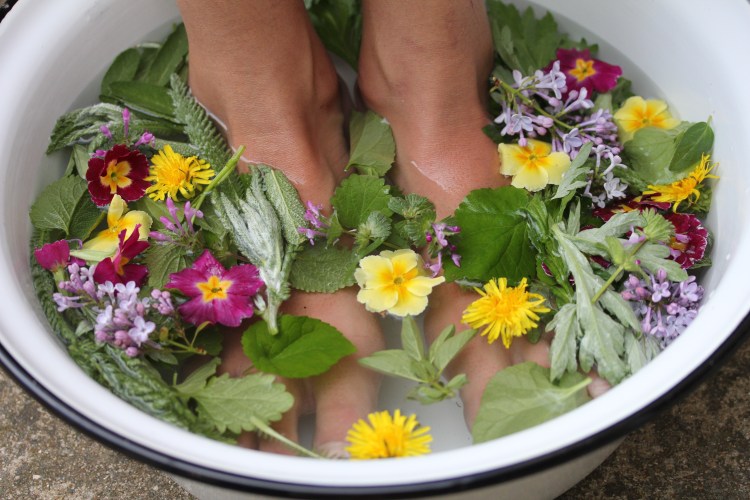
An herbal foot bath is a quick and easy way to get the benefits of hydrotherapy. If your child suffers from poor circulation in the winter, complains of muscle soreness or leg cramps, or sprains an ankle, this idea could provide them with much needed relief.

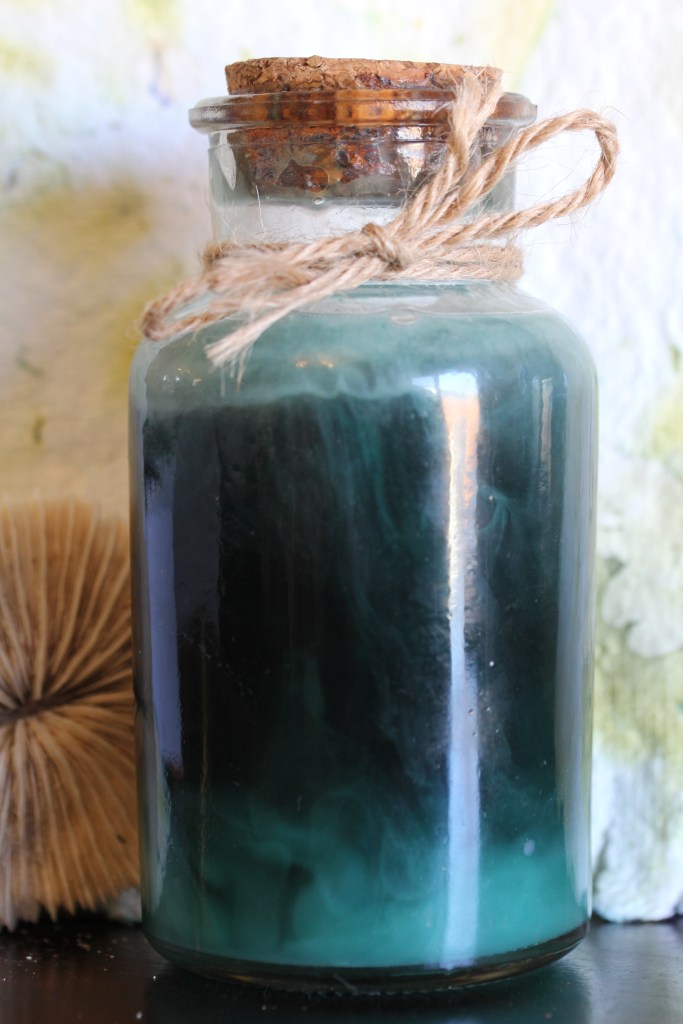
Mermaid Bath Potion is something my girls loved making. A colorful blend of ingredients that flow, shimmer and remind you of a beach in the tropics. Baths have a long history of being used in healing. They can induce a sweat/fever, support the release of wastes and toxins, cleanse, cool, soothe irritates tissues, restore the sprit and move stagnant energy or phlegm.

An herbal spray can be used in cases where internal or direct external application is contraindicated. Maybe you want the energetics of a strong herb but not the risk of using it on a small child. I like sprays for emotional/spiritual support when it comes to young children. You can also add a few drops of essential oil or a tablespoon of concentrated hydrosol (purchased rose or orange water) to the bottle to get the benefits of aromatherapy.

I make a lot of plant infused oils. Medicinal properties can be absorbed through the skin making them safer for little ones. Massage with herbal oils has many benefits for children. Nervous conditions and digestive issues both respond well to this therapy.

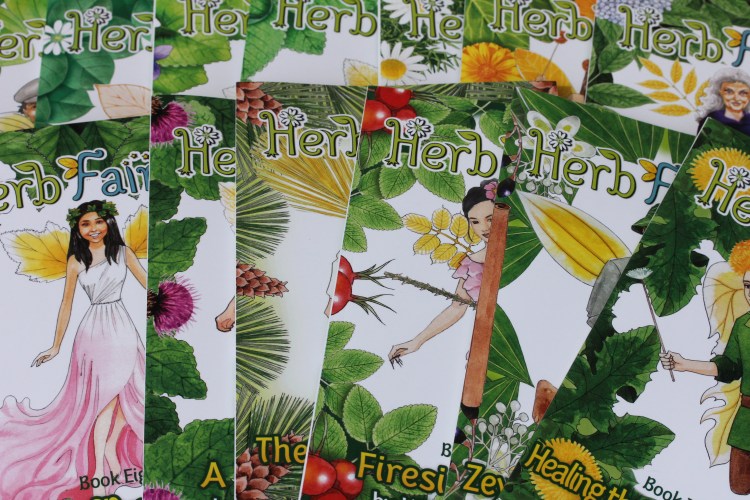
My girls still love a beautiful picture book. I have a large collection of them including several about plant medicine. Stories are magical and healing for all children.

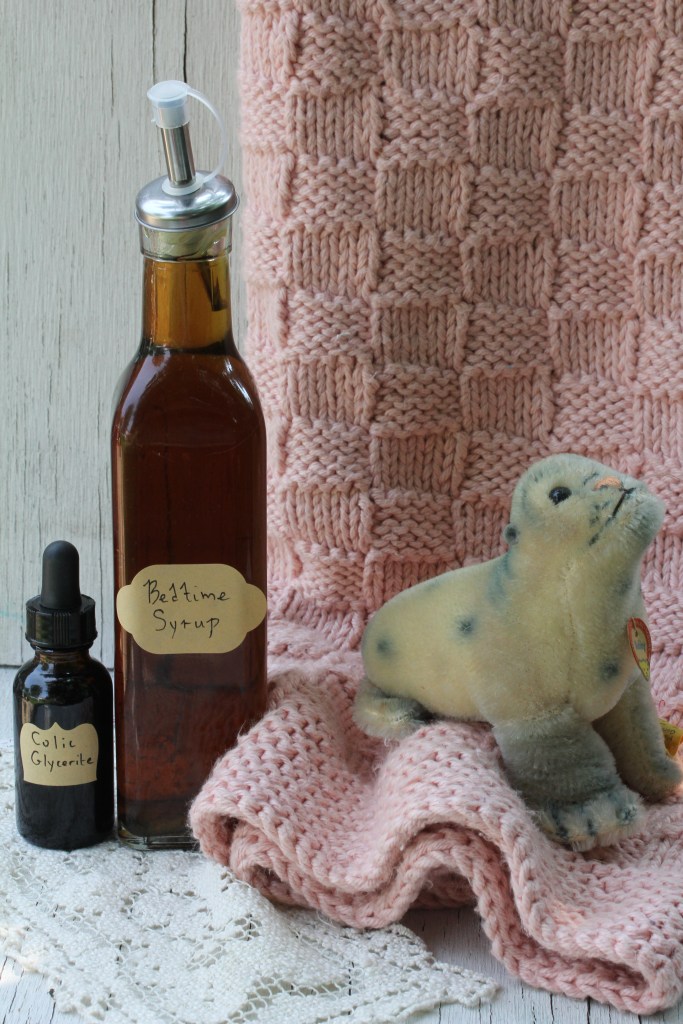
A Bedtime Syrup or Tummy Calm Glycerite can support Children suffering from digestive issues and upset tummies. Many kids struggle to settle down before bed at night. These issues can be a symptom of low grade anxiety, recent change/trauma, immature nervous or digestive systems, poor diet/eating habits, and the lack of effective strategies for regulation and sleep.

I will add more idea to this post so be sure to check back frequently.

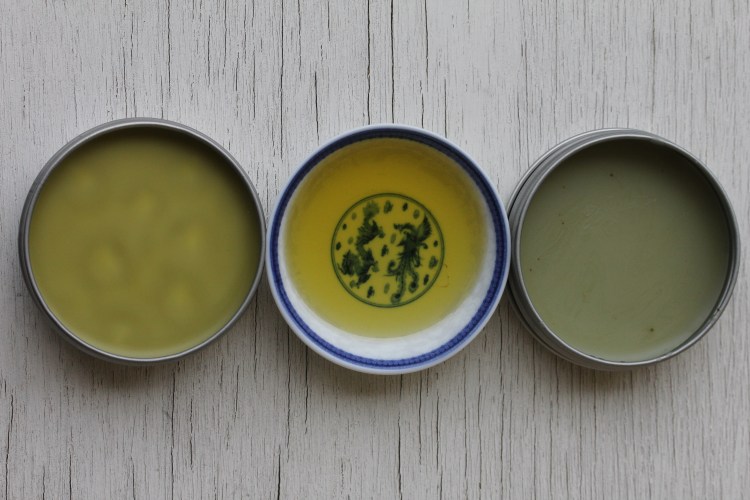
Cold Sore Salve (MINT)

Now is the time to harvest plants that are in the mint family, especially if they have yet to flower. This salve makes use of both peppermint and lemon balm. Lemon balm is a powerful anti-viral when it comes to viruses in the herpes family. Mint clears the heat of inflammation and provides the refreshing “taste”. If you want to sooth cold sore symptoms and shorten the healing time then be sure to have this easily on hand.

Cold Sore Salve

1 cup of infused oil. I use organic US grown olive oil. 1/2 cup each of peppermint and lemon balm if using dried. Pack a 16 0z. jar with clean, dry leaves if using fresh. Do not crush or macerate the leaves during processing to avoid releasing water into your infusion. Fill jar to the rim with oil, make sure no plant material has risen above the oil. Screw the lid on tightly and set jar on a saucer in case there is expansion. Let set 4-6 weeks before straining.

2-3 ounces of beeswax pellets

1 oz of shea butter

5 drop of peppermint essential oil if desired.

Add your strained oil infusion to a double boiler. Heat on medium for 5 minutes. Add in the 2 ounces of beeswax and all of the shea butter. As soon as it is all melted and you see no floating pellets-test consistency by dipping a metal spoon into the mixture and placing it in the freezer for 1 minute. If you are happy with the result remove from the heart. If not, add beeswax and test until you are satisfied. Let cool 2 minutes and then add in the essential oil. Pour into small tubes, tins or jars. Let sit 2 hours before capping and storing.

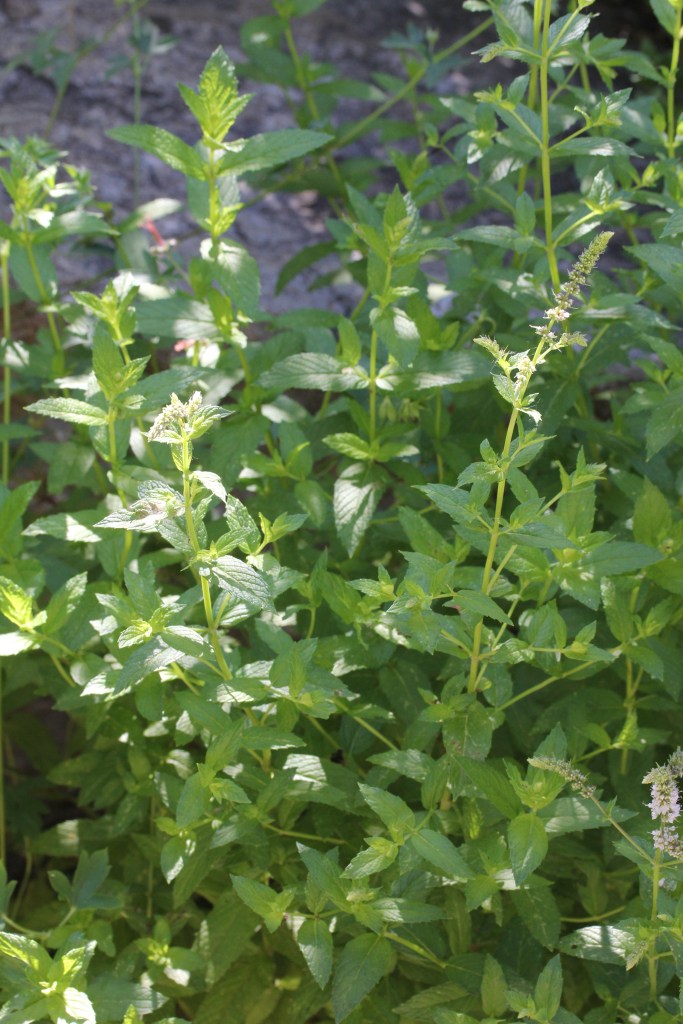
Mentha is in the mint/Lamiaceae family and includes both peppermint (Mentha piperita) and spearmint( Mentha spicata). Peppermint is a hybrid perennial plant that is most often found cultivated in gardens. This herb is highly aromatic( menthol). It has erect, square, branching, purple stems. It’s opposite leaves are opposite, oval/lance shaped and often serrated. The sepals and petals are united to form tiny purple flower that have 5 two lipped lobes (2 up, 3 down). These are arranged at the ends of axillary and terminal spikes. Spearmint lacks the purple hues in it’s foliage and is a more vibrant green. The leaves are often greater in number, larger and more serrated and “wrinkled”. They are sessile and have a very short petiole where they join the stem. This plant is usually taller than peppermint. The flowers are more numerous/dense on a larger , interrupted spike. Mints can be invasive and spread quickly through their rhizomes. They will tolerate any kind of soil and thrive in both sun and shade. Grow mints near your vegetables to keep them free of insects and other pests. These plants are a favorite of native bees.

Mints are known for their ability to clean damp/phlegm, increase circulation to the tissues and relax blood vessels. Their volatile oils warm the body, open the pores, and encourage sweating. Historically they been used to treat cramps, spasms, colds, coughs, flu, fever, sinus infections, sore throat, headaches, high blood pressure, menstrual problems, painful urination, nausea/vomiting, heartburn, stomach ache/colic, gas, digestive issues, liver stagnation, ulcers, parasites, bad breath, gum disease, nervous disorders and fainting. Externally mint has been used to treat pain, inflammation, rheumatism, bruises, rashes, hives, bug bites, and skin issues. A steam inhalation may help with asthma, bronchitis, chest congestion and laryngitis. Mints improve the flavor of other teas, are used in many culinary traditions, and can be burned as incense. Spearmint tends to have a sweeter, less spicy/hot/medicinal flavor than peppermint.

Parts used:aerial above ground parts

Energetics: sweet, pungent, cool, warm, dry

Element: fire and water depending on variety

Emotional and Spiritual Uses:Prosperity. protection. Brings movement, openness, and warmth to life. Allows the mind to think quickly and clearly so that we can envision and future and manifest our dreams.

Contraindications: Avoid large doses in pregnancy and nursing. Long term therapeutic use can stress the heart.

Bedtime Syrup and Tummy Calm Glycerite (CATNIP)*

If you have a “nervous” or anxious child that has trouble settling down before bedtime, this syrup is a lovely addition to hot tea or milk. A little goes a long way so a teaspoon is plenty. An infusion of catnip helped one of my daughters when she had anxiety about going to school. I chilled it overnight in the refrigerator and gave a small cup full with breakfast each morning. Young children often get an upset stomach. A tummy calm glycerite is nice to have on hand as it can be quicker and easier to use than an infusion/tea. Glycerites are often used instead of tinctures for children as they do not have the alcohol. They can be made and stored long term for future use.

Basic Simple Syrup Recipe

1 cup of granulated sugar

1 cup of water

Chamomile flowers, lemon balm leaves, catnip leaves

1 cup packed (total) of fresh herbs ( for the sleepy syrup use a mixture of equal parts catnip leaves, lemon balm leaves, and chamomile) Heat the water to a boil on the stove. Turn off and remove from heat. Stir in sugar until it the liquid is clear and you see no sugar granules. Pour this liquid over the fresh herbs. Cover the bowl with a plate and let steep for at least 3 hours. Strain out the herbs and bottle. The syrup will store in the refrigerator for several months.

Basic glycerite recipe

1 part dried herb (for tummy calm recipe- 1/3 cup of anise seed, 1/3 cup of fennel seed/fresh tops, 1/3 cup of fresh dill tops)

2.5 parts glycerin

1.5 parts water

Mix glycerin and water, add powdered herb and stir well. Place into a clean jar and let sit 15-30 days. Strain, if possible squeeze out any remaining liquid through a coffee press. Add all liquid to small amber glass tincture bottles and store in a dark cool place until needed. Discard herb.

*NOTES: loose dry herbs work best, a dense powder or fresh herb will absorb a lot of the glycerin, leading to a lot of waste and only a small amount of product. I find glycerites not worth the trouble so I don’t make them very often.

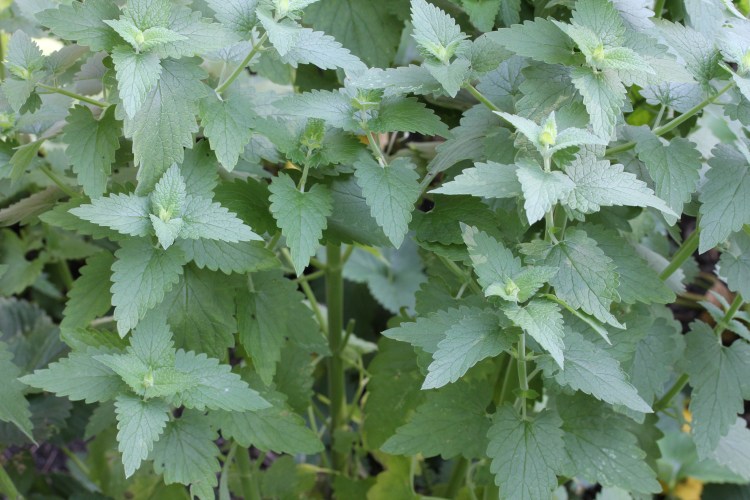
Catnip. Latin Name-Nepeta cataria. Family-Laminaceae/mint. Like all members of the mint family, Nepeta has small white/pink flowers clustered down a stalk. The heart/oval shaped leaves are arranged oppositely on a square stem and there is a very strong scent. It can be confused with other members like lemon balm or spearmint. Catnip has its own distinctive smell which obviously cats love. The leaves are a more “silver” green and they have a soft almost fuzzy texture, a toothed margin, and a paler underside. The stem is also hairy. It can grow 3-4 feet high, especially as it shoots up to flower. This herb is almost invasive in many places as it easily grows anywhere. You will find it in backyards, wastelands, in grazing areas, along a stream as you hike in town, or in cracks in the sidewalk. It is a self seeding perennial that likes a lot of sun and does well in poor soil. There is a similar plant called “catmint”. This plant has purple flowers and much smaller leaves. It is also in the Nepeta family and there are several varieties/species. You are more likely to find it as a cultivar than in the “wild”. All Nepetas have similar properties and uses.

Catnip has been used for food and medicine since Roman times. It contains chemical constituents that are powerful sedatives, pain relievers, euphorics, and aphrodisiacs. No wonder kitties love it. Nepeta moves energy, relaxes the nerves and clears heat. Yet this herb is safe and perfect for children. Supporting them when they feel restless, feverish, or sick. It is great for babies as a weak tea or bath for colic, teething, insomnia, or crankiness. Historically catnip has been used to treat childhood illnesses, menstrual problems, anxiety, colds, bronchitis, motion sickness, toothache, parasites, diarrhea, gas, headaches, pneumonia, and indigestion. Externally people have used it for pain, injuries, hemorrhoids, acne, dandruff, arthritis, eye inflammation and allergies.

Parts used: Leaves

Energetics: pungent, bitter, cool, dry

Element: water

Contraindications-do not use in pregnancy. Very large doses may cause vomiting.

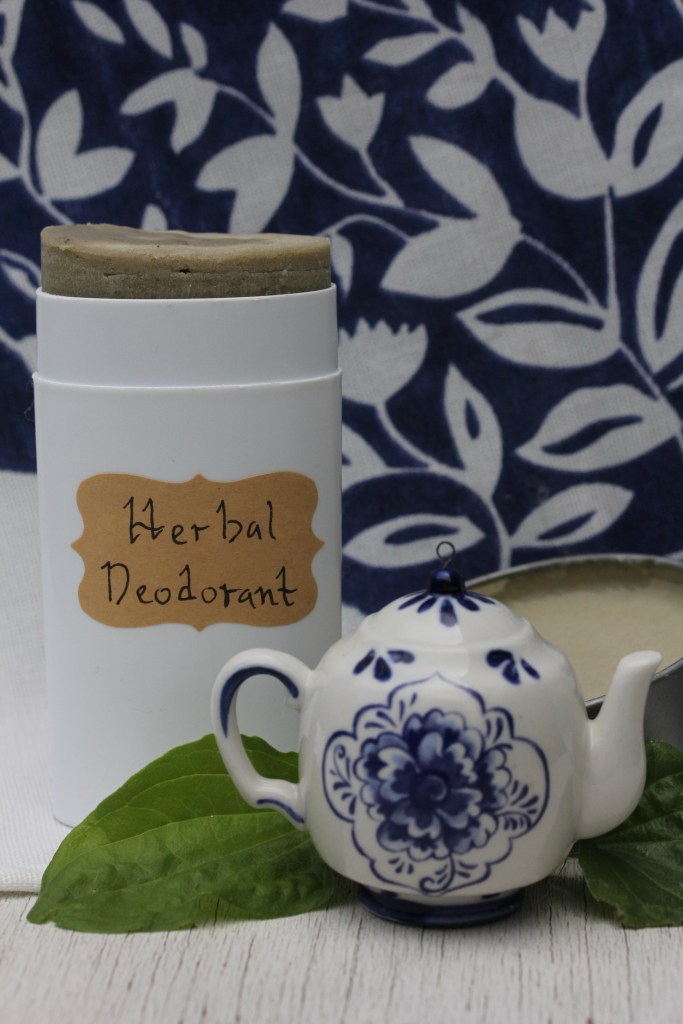
PLANTAIN and Herb Deodorant

As my body changes with menopause, I am always on the lookout for DIY beauty/hygiene products that are more natural and effective than what I can buy from the store. This recipe contains herbs that are cooling, soothing, flush wastes, prevent the growth of tumors, support the lymphatic system, surpresses the growth of micro-organisms, cleans “blood”, stimulates circulation, and reduced irritation. I like the addition of clay and baking powder which help deodorize and shea butter which helps to hydrate dry skin. Start by making an infused oil using dry or fresh…..

  • Dandelion flowers
  • Violet leaves
  • Calendula flowers
  • Red Clover Blossoms
  • lavender tops and leaves


Herbal Deodorant Recipe

  • 1 cups of herbal infused oil
  • 4 TBSP of almond oil
  • 4 TBSP of plantain oil
  • 1 cups of beeswax pellets
  • 1 cups of shea butter
  • 4 TBSP of arrowroot powder
  • 4 TBSP of kaolin or betonite clay
  • 10 TBSP of baking powder
  • 5-10 drops of tea tree oil
  • 10 -15 drops of other essential oils depending on your scent preference ylang yalng, clary sage, ginger, plumeria area all good ones to try.

Optional ingredients

Activated charcoal-may stain clothes (maybe try 1tsp).

Himalayan Pink Sea Salt-many contain heavy metals that might be toxic. Could be too abrasive. (maybe try 1/2 TBSP).

This recipe will fill 5-6 empty, standard, 2.6 ounce, deodorant containers.

Using a double boiler combine the herbal oils, with the beeswax and shea butter. Set the almond oil aside.

Set the pan over a medium-low burner until everything is melted. (Don’t melt too long or at too high of a heat, or your shea butter may get grainy.)

Have your dry ingredients measured, combined in a bowl and ready to go.

Mix your essential oils in with the almond oil.

Remove the pan from heat. Quickly stir in the dry ingredients. The mixture will thicken, but let it cool a bit, stirring frequently, add in the almond oil. Quickly spoon into deodorant tube OR glass jars if applying with your fingers. If you delay too much the clay and arrowroot may settle to the bottom as it cools instead of being incorporated throughout.

Let the deodorant set up until firm.

To use:

Rub a thin, single layer under each arm. Don’t push hard or slather this on, a little bit will go a long way!

Wait a few minutes before dressing after use, to allow it to absorb into the skin. Use caution with fancy clothing in case it may stain or mark.

Plantago is a perennial characterized by a basal rosette of several leaves with ribbed/parallel venation. Each terminates in a thick channeled stalk where they attach to a round stem. Leaves can be broad/ovate or narrow/lance shaped. Sometimes margins are toothed. A single, dense ,cylinder shaped, cluster/spike, of greenish white tiny flowers grows on a tall (6-18 inch) erect stem . These have brown sepals and bracts. Plantain is found along paths and roadsides, in meadows and lawns or in wastelands. If cultivating this plant, it likes sun or partial shade but really prefers a moist soil.

Plantago should be your top choice for a first aid remedy. Externally plantain is thought to be helpful for broken bones, wounds, burns, bruises, injuries, boils, acne, shingles, sunburn, eczema fungal infections, sore feet, and plantar fasciitis, . It can draw venom, poison, dirt, splinters, pus, and infection out of insect stings, animal bites, or wounds. It relieves irritation and pain when one has been exposed to irritating plants like nettles or poison ivy. Like nettle is supports the body to release antihistamine for relief when suffering from allergies, hayfever, and asthma. Historically this herb has been used to treat ulcers, bronchitis, coughs, sore throats, lung damage, inflammation in the digestive tract, irritated tissues/organs, hemorrhoids, varicose veins, toothache, fever, mastitis, earache, sore throat, urinary tract infections and internal bleeding. It is known to clear heat and inflammation. The seeds are edible and have been used to make flour or as a thickener. They are also a good source of fiber and may prevent constipation.

Family: Plantaginacea

Parts Used-leaves, seeds, root

Energetics-sweet, salty, bitter, cool, dry

Element-earth

Spiritual and Emotional Uses: Settling a mind that is restless, overactive, irritable or “addicted” to something stimulating.

Contraindications: soak or cook seeds before use.