What an unlikely but very tasty combination. Perfect for a light summer dinner that is healthy and filling.
Hyssop, Black Eyed Pea, and Pickled Veggies Salad
For the dressing add together and then set aside in a small bowl
¼ cup extra virgin olive oil juice of 1 lime 2 tablespoons of seasoned rice wine vinegar 1 teaspoon sumac powder
1 teaspoon of sugar
1 tsp of coriander and cumin powder salt and pepper to taste
On a salad plate place
1 cup of fresh greens (arugula, mustard, lamb’s quarters etc.) 1 cup of pickled green beans 1/4cup fermented or pickled red onion
1 cup of black eyed peas, cooked
1/4 cup of sliced water chestnuts ¾ cup cherry tomatoes, halved 2 tablespoons chopped fresh anise hyssop leaves 1 cup of pickled purslane
Drizzle the salad with the dressing.
Garnish with nasturtium petals and hard boiled egg
Serve over bulgar wheat or oat groats.
Agastache foeniculum
Anise hyssop is in the mint family. It has a subtle sweet anise flavor that makes it fun to use in just about any recipe from lamb to sorbet. Both the flowers and leaves are edible and can be used by herbalists. It has a warming stimulating action that clears damp-supporting the lungs, digestive system and spleen. Historically it has been used for bloating, nausea, gas, indigestion, and diarrhea. It can be added into a respiratory formula for flu, fever, colds, asthma, bronchitis and sore throat. The aerial parts can be used in a poultice to be applied externally for a migraine, heatstroke, sores, fungal infections, bruises, bug bites, and burns.
Anise hyssop is a safer option than Hyssopus offincinalis as it has no contraindications and can be used long term in a tonic. Both have pretty much the same medicinal uses but slightly different essential oils and constituents.
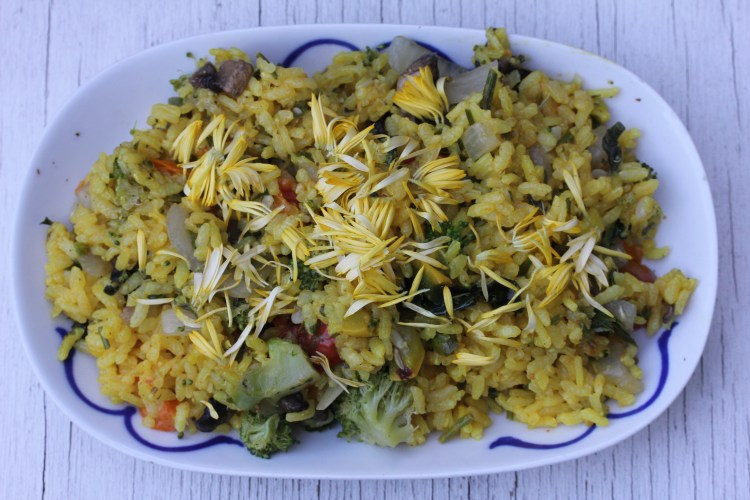
I will always try a recipe that calls for fresh flowers on top. This year I have experimented with elder, dandelion, lavender, and chamomile when cooking. You can find numerous ideas on-line that feature those herbal blooms. There is also a long tradition of using those plants in foods like desserts. Calendula is not something I would think to use as an ingredient. Herbalists are more likely to use it externally. I was pleasantly surprised to find this recipe. Not only does it help me to use up all the excess calendula I have growing this year but it made a very tasty vegan paella.
Vegan Paella with Calendula Blossoms
Heat a large pan on high for five minutes. Turn the heat down to low.
Add 2 TBSP of olive oil
2 cups of arborio rice
Stir and toast lightly for 2 minutes.
Add
3 cups of Water
1 cup of white wine
Juice of 1/2 lemon
3 dried bays leaves
1/2 tsp of dried turmeric
salt and pepper to taste
1/2 tsp of smoke paprika
1/2 tsp of red chile flakes
Continue to stir continually for five minutes.
Cover with a lid and let simmer for 15-30 minutes until all the water is absorbed and rice is tender. You can stir occasionally to make sure the rice is not sticking to the pan. Add more water if necessary.
Saute
2 TBSP of olive oil
1 cup pf broccoli coarsely chopped
‘1 cup of mushrooms coarsely choped
1/2 large onion coarsely chopped
1/2 cup of yellow squash coarsely chopped
1 medium red or green pepper coarsely chopped
2 cloves of garlic finely chopped
Remove bay leaves
Add and stir in
1/4 cup coarsely chopped parsley
1 cup of cherry tomatoes quartered
1/2 tsp of dried thyme
1/2 tsp of dried marjorum
1/2 tsp of dried oregano
Remove from heat and serve immediately
Garnish with 10 fresh calendula flowers (petals removed) divided among the plates.
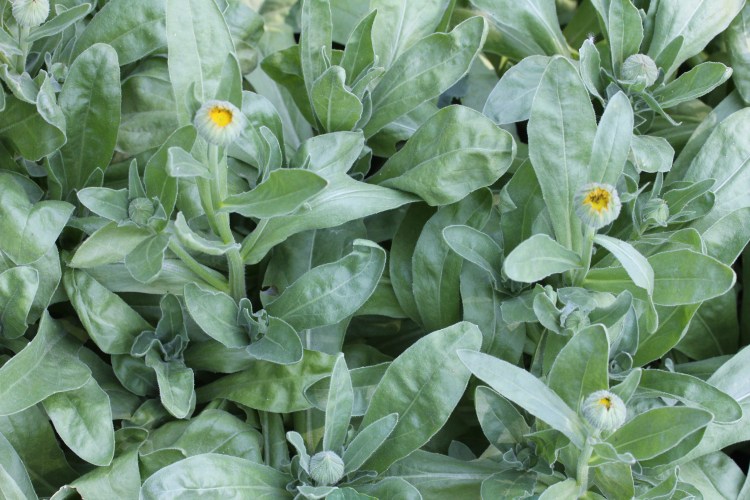
Calendula Officinalis
When used internally this herb is thought to clear phlegm, toxins, chronic infection and inflammation. It stimulates white blood cell production and inhibits the growth of several micro organisms. Herbalists have used calendula to treat candida, , ulcers, gingivitis, stomach/digestive issues, gastritis, swollen lymph nodes, herpes, painful periods, childhood illnesses, and stimulate the immune system. I use the dried flowers a lot in electuaries and glycerites to support health during the winter.
Have you ever used calendula flowers when cooking?
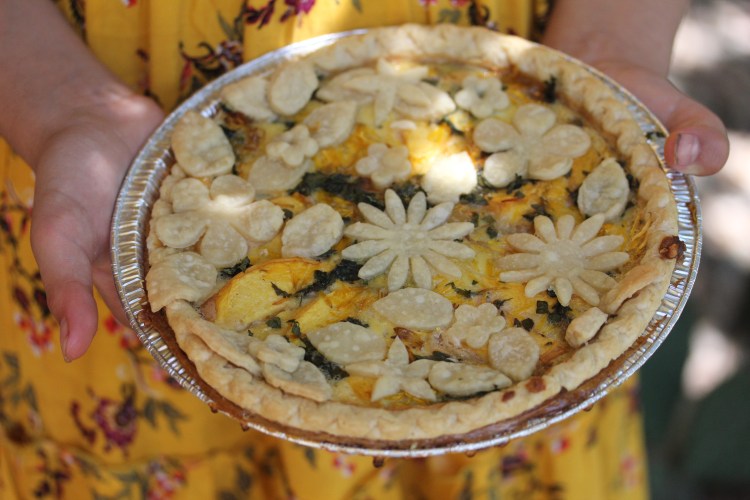
This is a great late summer dessert that is easy for kids to make. I love the subtle flavors, texture, and presentation of this pie. You will impress any guests at your next party or portluck.
2 homemade or store bought pie crusts
1 package Vegan Moz (Miyoko’s Creamery)
1/3 cup of slivered almonds
1 tsp of almond extract
2 TBSP of sugar
1/8 tsp powdered cardamon
2-4 TBSp of apricot jam
2-3 peaches peeled and thicky sliced
4 eggs
1/2 cup of coconut cream
2 TBSP of sugar
1 TBSP finely chopped anise hyssop
12 calendula blossoms
Form into a pie shell and blind bake one crust for 8 minutes at 350. Remove from oven and set aside.
Finely grind the slivered almonds with the first measurement of sugar in a food processor. Add in the Vegan Moz or equivalent measure of soft tofu, cream cheese. or ricotta to make a thick paste. Spread on the bottom of your pie crust.
Spread the apricot jam on top. Add the peaches.
Place the eggs, coconut cream, and the rest of the sugar into a large bowl. Using an electric hand beater, mix on low speed until smooth. Fold in the calendula and anise hyssop. Pour mixture into the pie shell.
Bake at 350 for 30 minutes until the custard is set.
If you wish to decorate the top of your pie with the second pie crust, use cookie cutters or fondant “stamps” to create shapes. This works best if the dough is chilled and very solid. 15 minutes into your bake place your cutouts on top of the custard. You can increase your bake time if necessary to get your top golden brown
Serve at room temperature. This dessert would be good topped with vanilla ice cream.
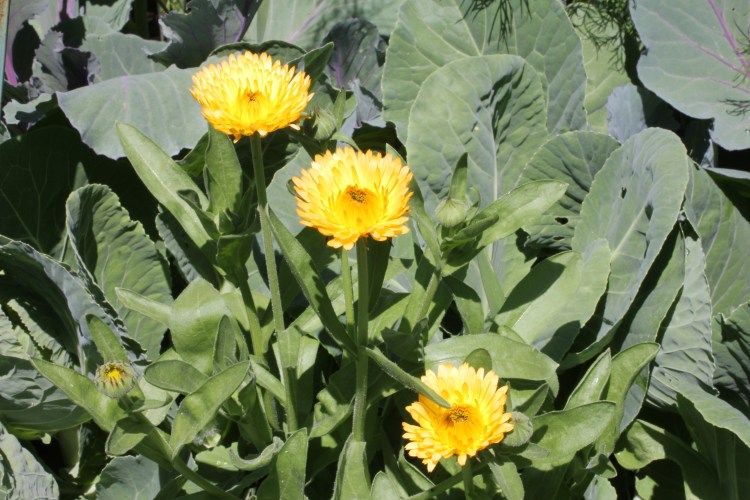
Calendula officinalis
I have an overabundance of calendula this year. Not wanting anything to go to waste I have been trying use it in both food and medicine. When used internally this herb is thought to clear phlegm, toxins, chronic infection and inflammation. It stimulates white blood cell production and inhibits the growth of several micro organisms. Herbalists have used calendula to treat candida, , ulcers, gingivitis, stomach/digestive issues, gastritis, swollen lymph nodes, herpes, painful periods, childhood illnesses, and stimulate the immune system. I use the dried flowers a lot in electuaries and glycerites to support health during the winter.
Have you ever used calendula flowers when cooking?
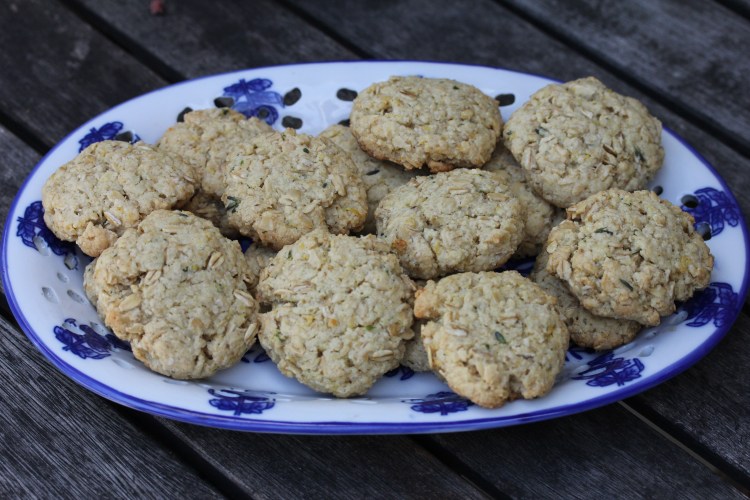
Lavender Lemon Oat Bars and other goodies are a great thing for kids to make. There are endless choices of herbs that can be added to baked goods. Ginger, basil, thyme, calendula, rose, etc.
Earl Grey Granola, Elderberry Gummies
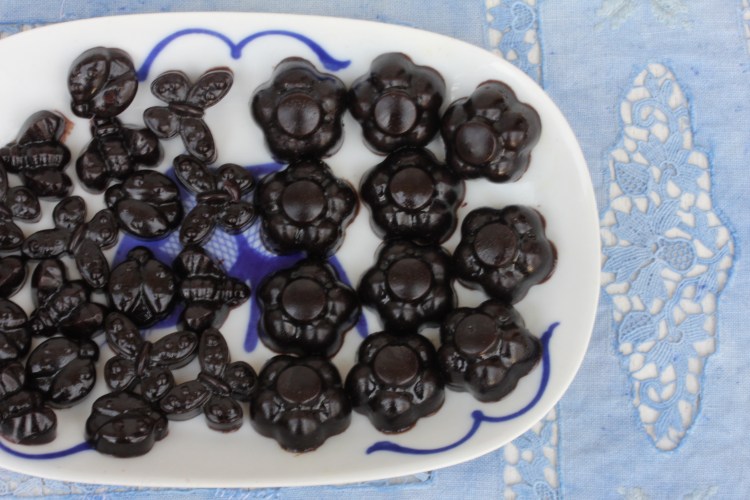
Elderberry Gummies– are one of my kid’s favorite things to make. They can’t decide if they are a treat or to support health. I have also make them with an infusion of dandelion flowers.
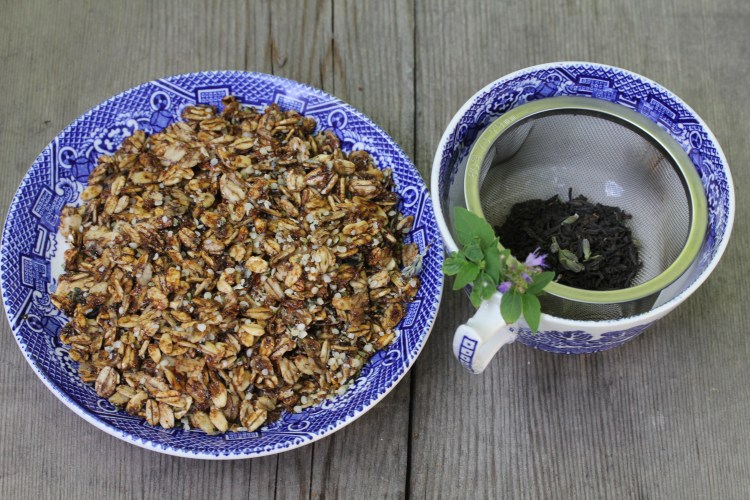
Earl Gray Granola– this is a weakness of mine as I love bergamot. I sprinkle on top or yogurt or pile it in big bowl with a bit of oat milk.
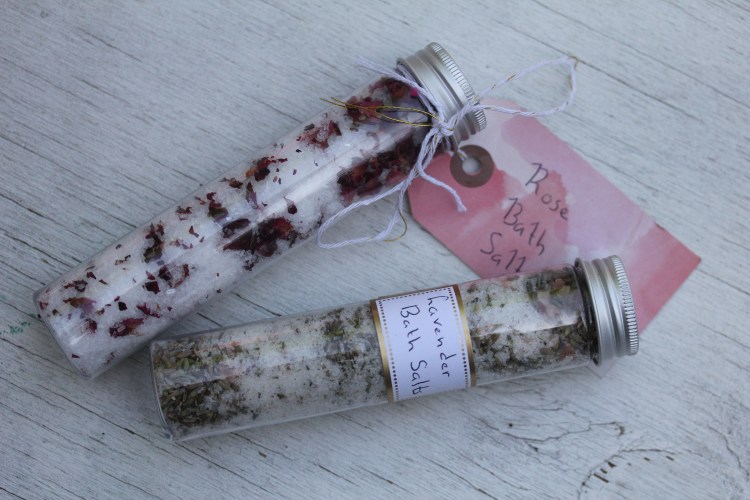
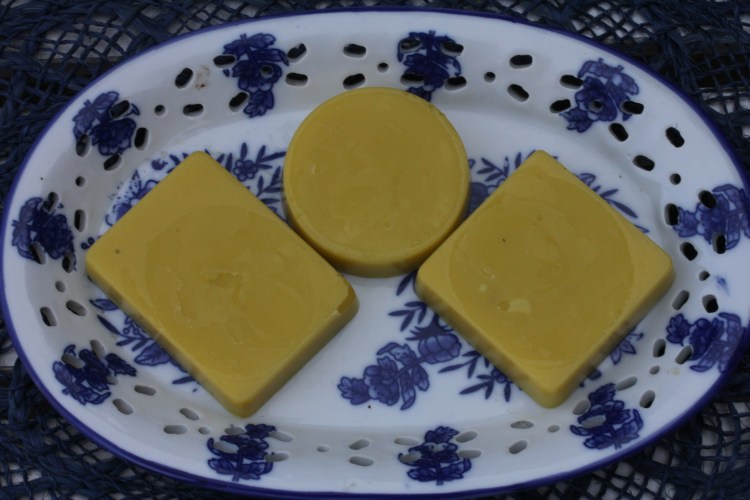
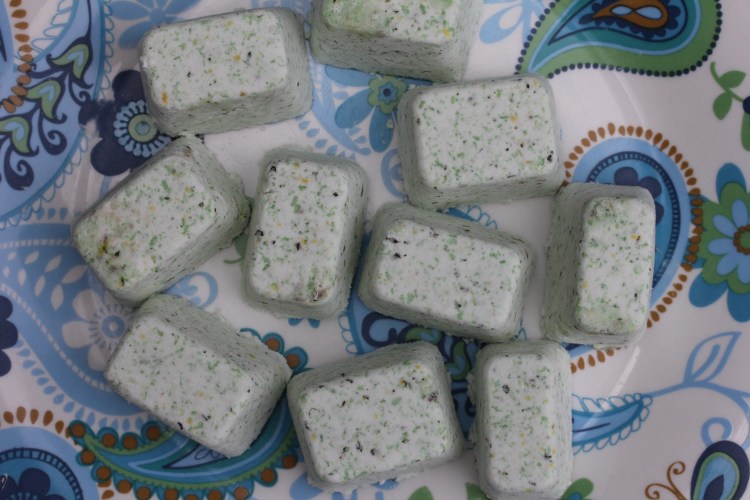
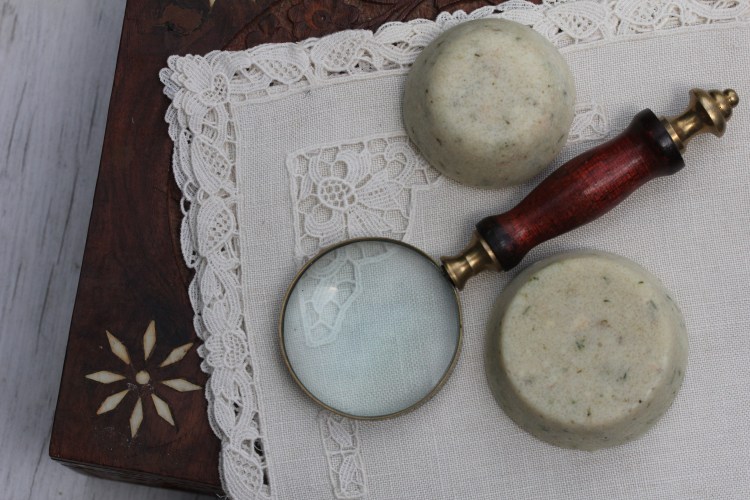
Bath salts/mixtures, shampoo bars, and lotion bars make the perfect gifts that kids can easily make for friends and family.
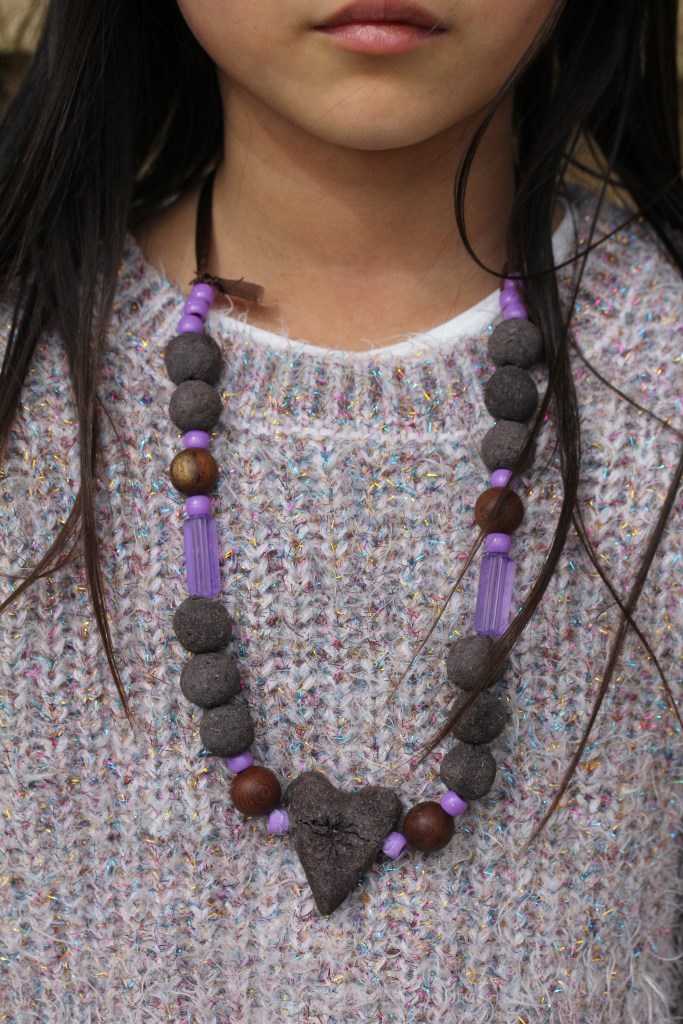
Aromatic Herbs Beads-A bit time consuming to make but worth the beautiful end result.
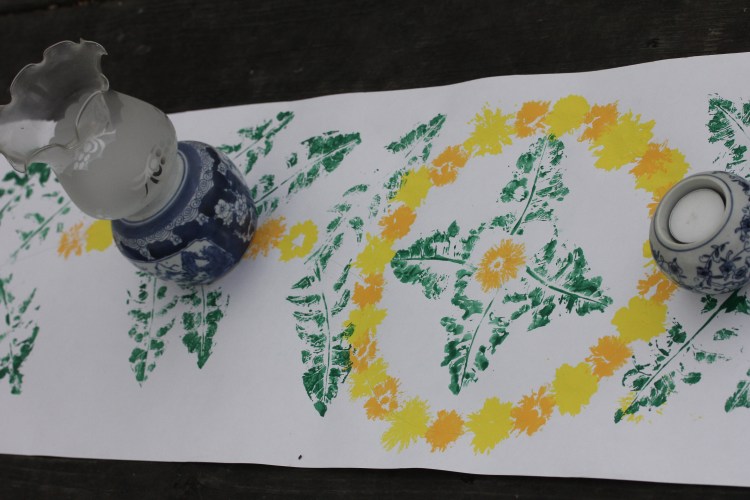
Dandelion table runner-made by using fresh plants as stamps with acrylic paint.
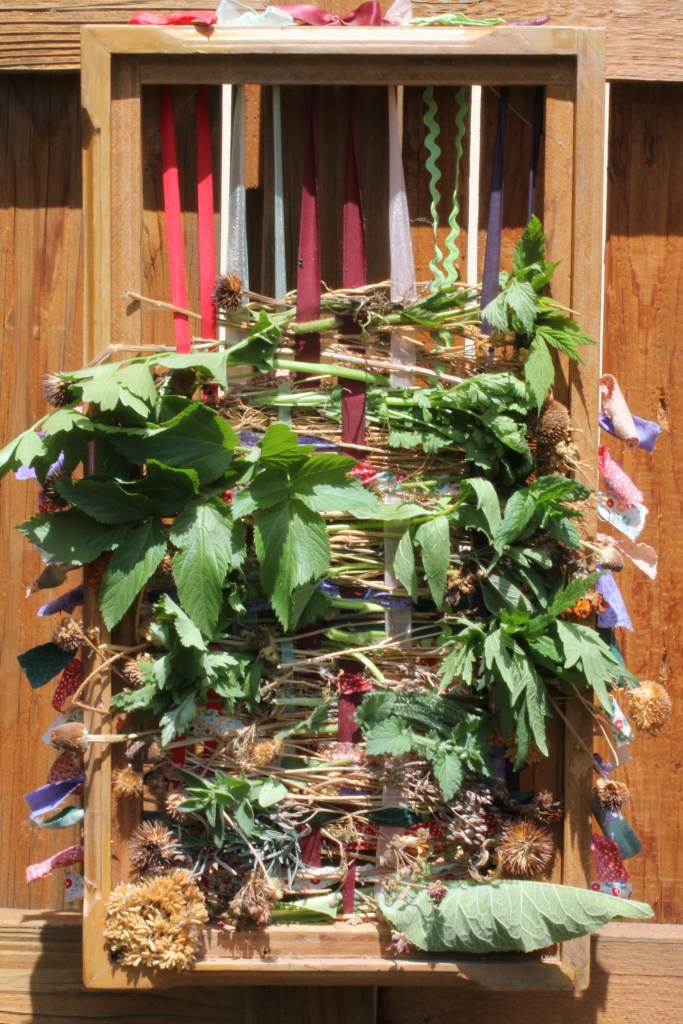
Herb loom-weave fresh plants onto a nature loom as decorative garden sculpture or as a record of a child’s journey with herbal medicine
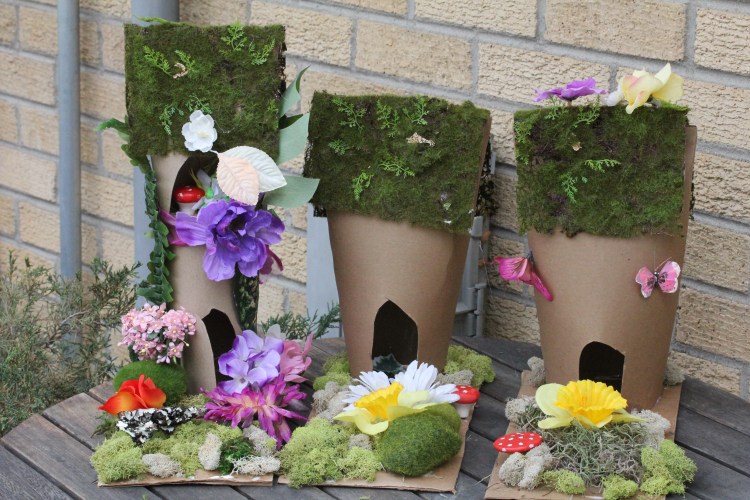
Herb fairy houses-cardboard tubes decorated with store bought artificial flowers, moss rocks, and moss panels. Goes well with the Herb Fairies book series written by Kimberly Gallagher.
Healing Dolls–will cheer and support the health of a child that is not feeling well.
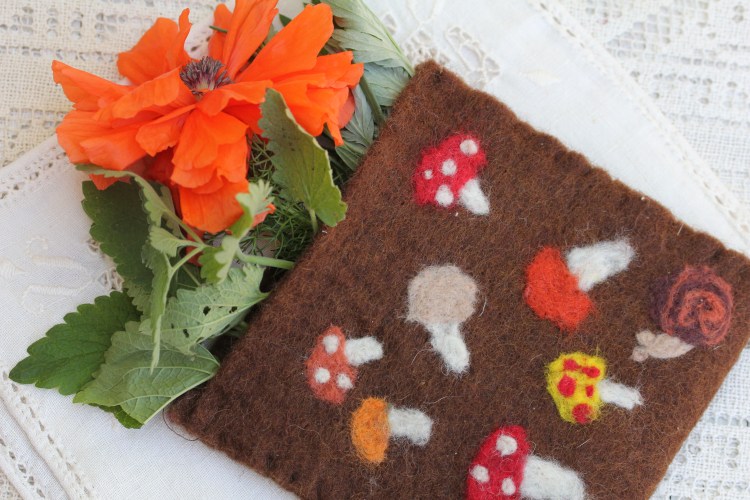
Sleep Pillows-poppy, chamomile, catnip, lemon balm, lavender, mugwort. Filled into a felted bag.
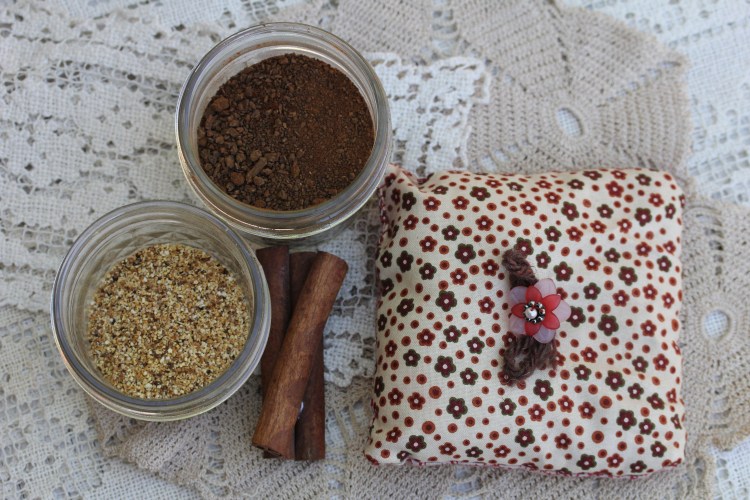
Tea Trivets-cinnamon, dried orange peel, nutmeg, allspice, cardamon, star anise, clove and sand. Filled into a cotton bag and then sewn closed
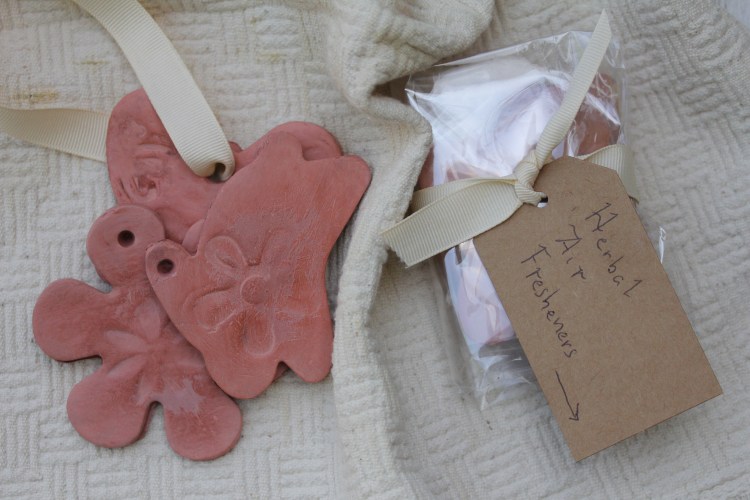
Herbal Air Fresheners-homemade clay tiles soaked in essential oils.
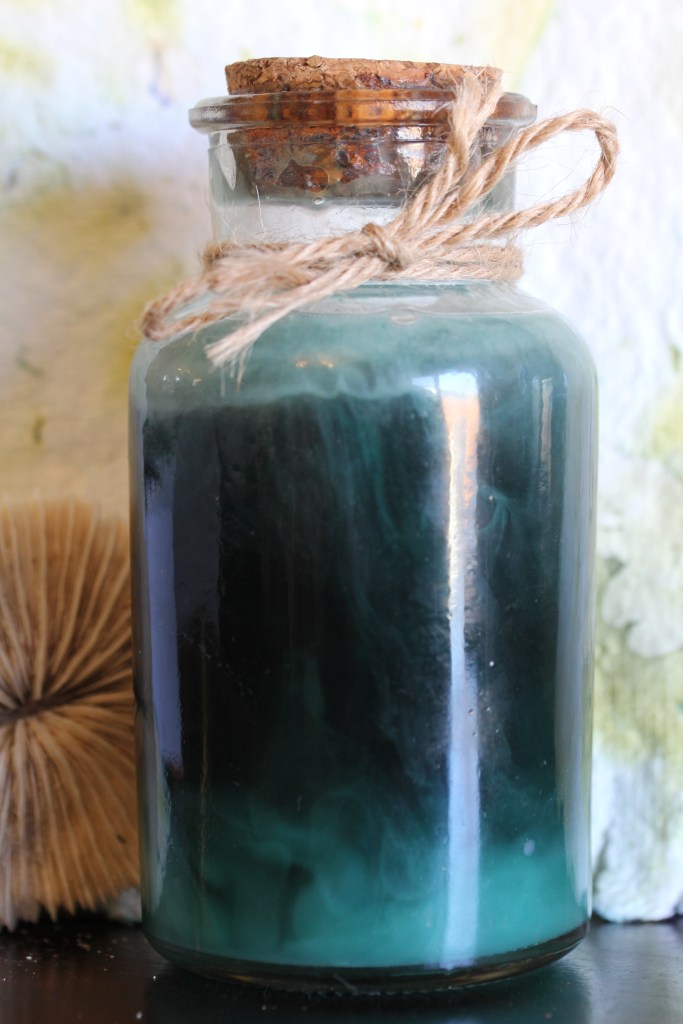
Mermaid Bath Potion-is a big hit in my house during the winter when we need to be reminded of warmer and sunnier times.
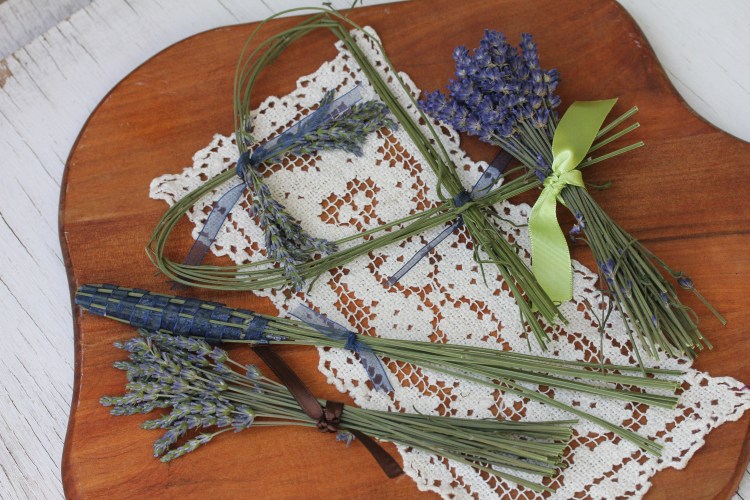
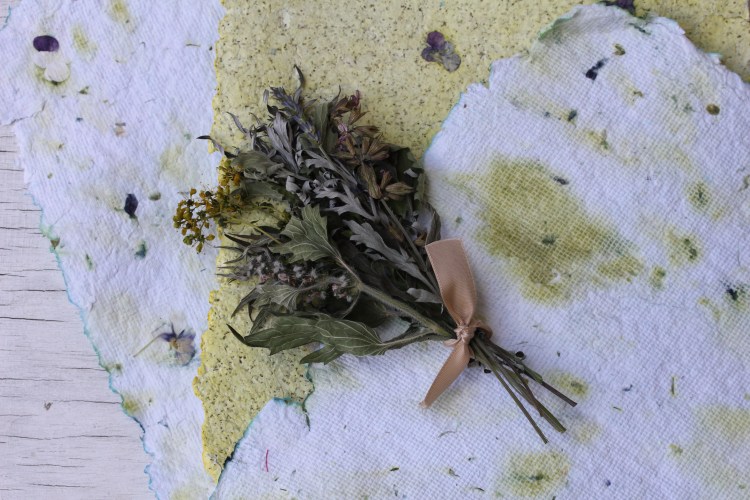
Lavender wands, hearts, and bundles-there are lots of tutorials on-line for making lavender wands. I love making herb bundles with my girls. We dry them in the dehydrator to preserve their lovely colors and attach them to care packages.
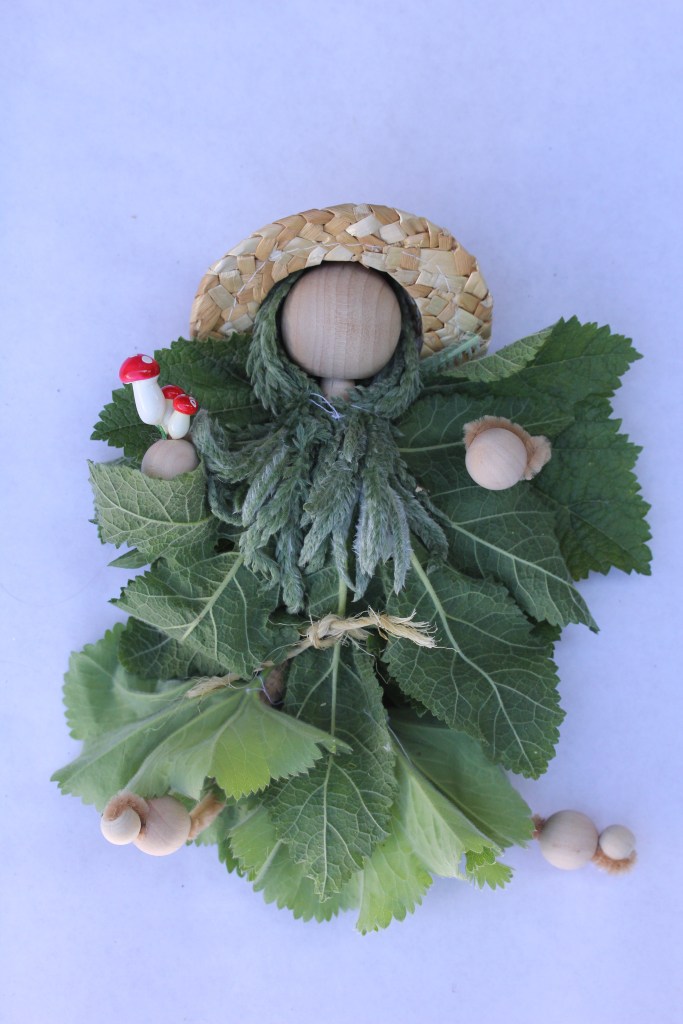
Herb fairies-made by stamping leaves onto paper (yes my 12 year old daughter drew the faces and feet)
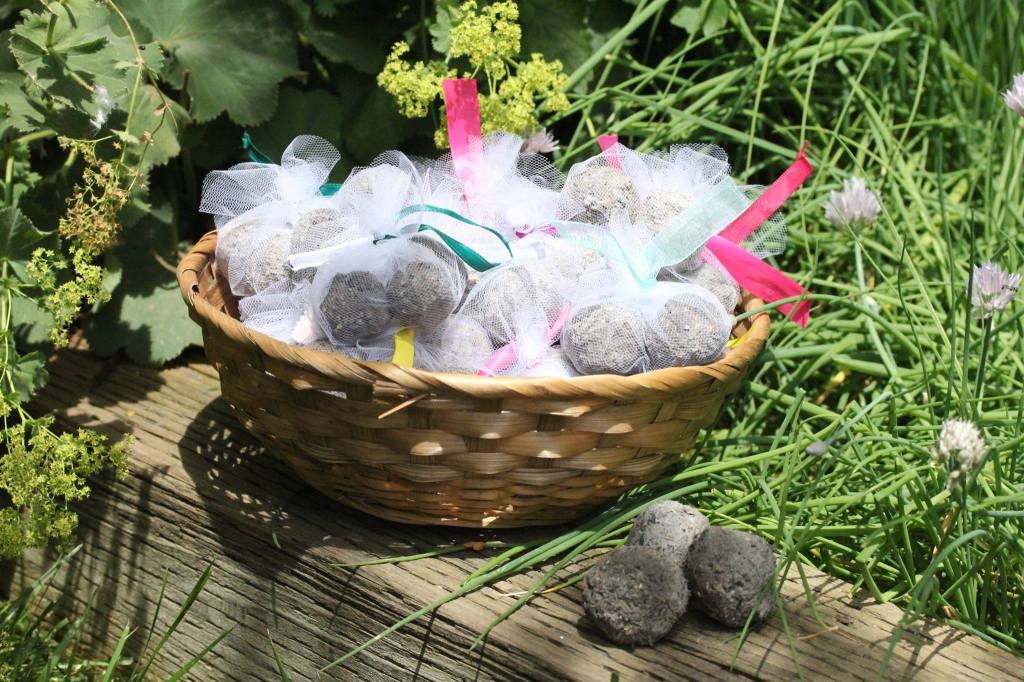
Seed Balls
Seed balls are fun to make. It is important to find seeds native to your region. The small flowers found on most herbs are ideally suited for the anatomy of wild bees and other insects. Soil, dryer lint, clay, paper pulp and seeds are mixed in varying amounts before shaping into a ball that hold together. Once dried you can gift or “bomb” roadsides to encourage habitat restoration for pollinators.
Bath Cubes-another simple gift that even very young children can make.
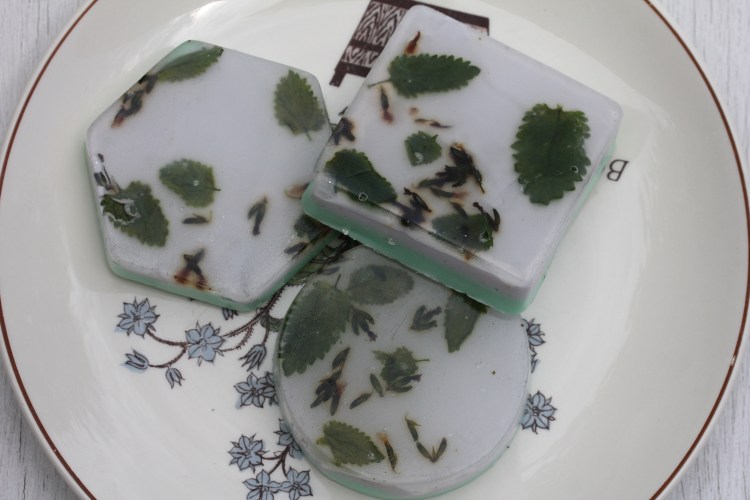
Herbal Soap-The photo just does not do these beautiful soaps justice. My daughter created this idea and made these herself. The soap preserves the fresh herbs and they stay vivid green for quite awhile. Spray your molds with rubbing alcohol, this prevents air bubbles. Melt and pour clear glycerine soap base it into your molds, let it set. Place your fresh herbs on top, with the backsides facing up towards you. Now do the white base ( shea or goat milk) that has been died a pastel color with food coloring, jade green works well. Let set and remove soap.
Sugar Scrub Bars-just when you thought there was nothing-yet another idea if your child is really into homemade beauty products.
Herb gathering basket
A pretty surprise hung on a door. Trace and color a basket onto a piece of cardboard. Place a leaf onto the basket and poke a hole through it and into the cardboard using a bamboo skewer. Using flowers with long stems , thread those through each hole. Bend and secure the stems to the back with strong tape. Decorate the handle of the basket with a fabric bow.
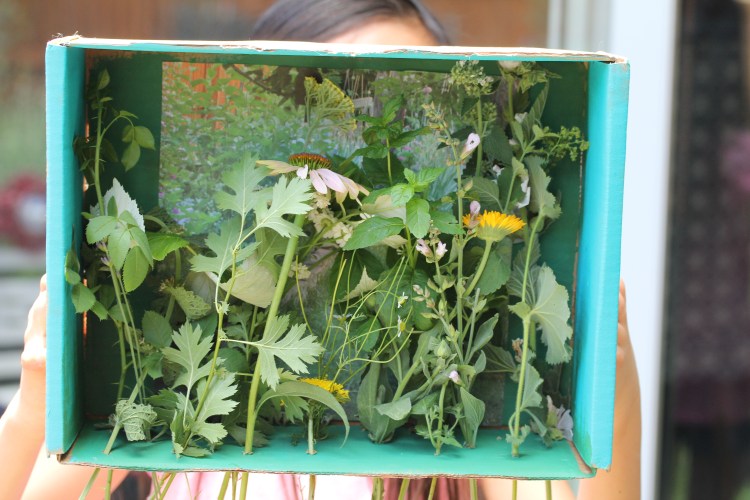
Planting an herb garden-Paint a shoebox with blue and green paint. Glue a xeroxed print of a photo from your garden in the bottom (back) of the box. Pick a selection of herbs with very long stems ( you can remove leaves). Poke several holes into one of the sides. Thread the stems through the holes. Arrange the height for a pleasing composition. Cut stems poking out to be the same length if you wish. The box can be hung as a a display on a wall and the plants allowed to dry.
Mandalas-a simple project for older kids. Just arrange flowers and leaves in a pattern. Best to do when the weather is calm and you have shade. Otherwise you may have to work quickly to avoid chasing your art materials or to prevent wilting.
Handmade Paper-a lovely gift that requires time and equipment (paper shredder, screens, blender). Well worth it to do at least once with children. I have done this a lot with preschoolers as they appreciate water , tearing paper, and mess. You can find plenty of tutorials on line.
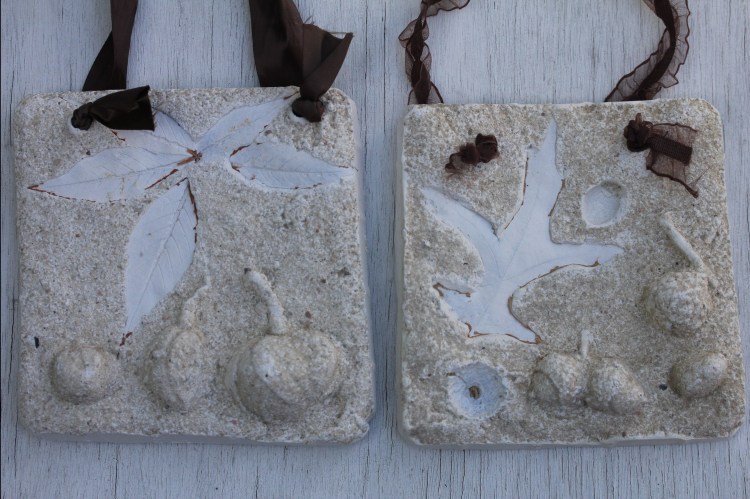
Plaster casts of medicinal trees using real specimens.
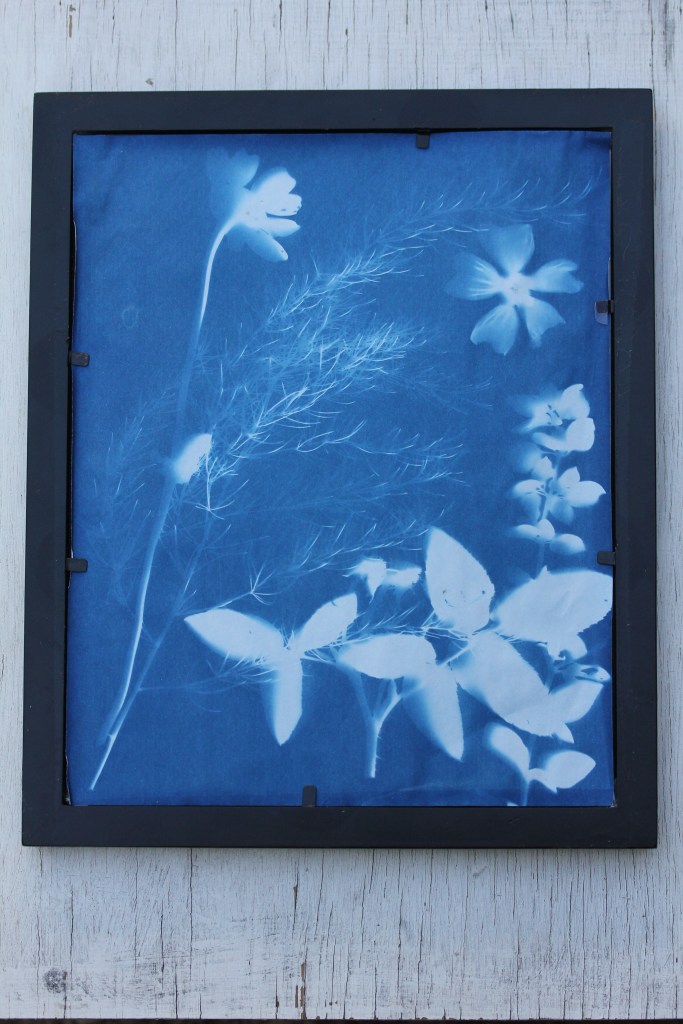
Sun prints using herbs from the garden and a kit.
Felted leaves using templates drawn from real leaves.
Herb stuffed sachets for dresser drawers or in a “necklace” to be tucked under clothes are an easy project for older children with sewing skills.
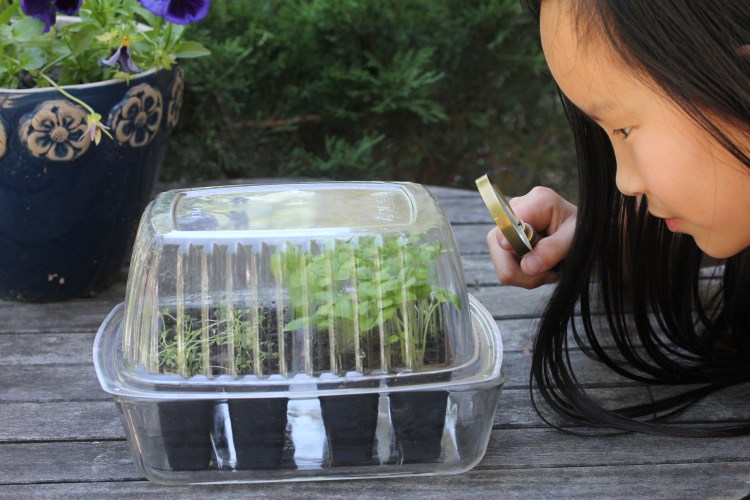
Kids of all ages appreciate having their own garden. Mini greenhouses for starting seeds are easily made from takeout food containers.
My girls enjoy helping me to make many things including these herbal ice cubes which preserve medicine for later use as a compress or an addition to drinks. They just run fresh herbs through a blender and freeze.
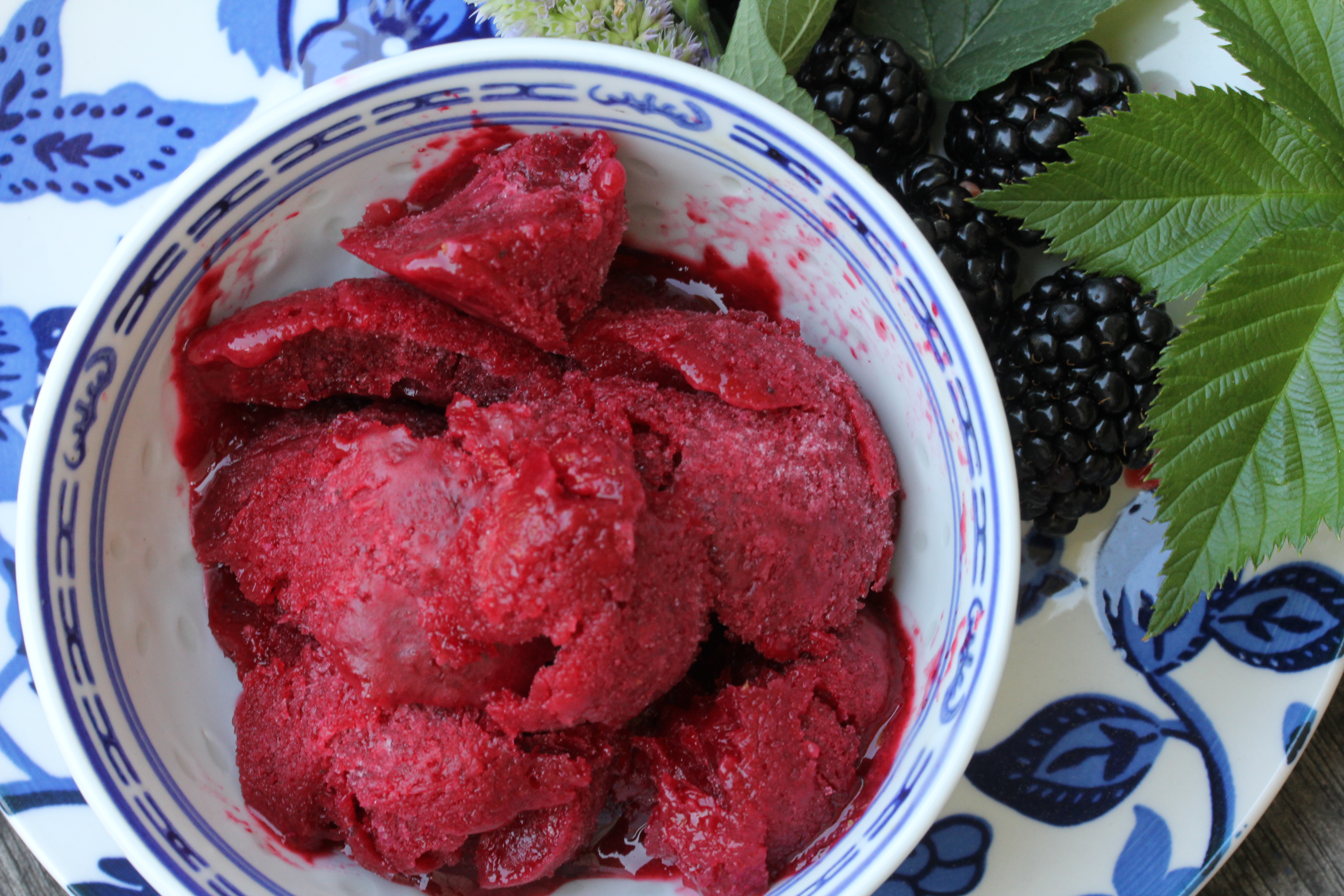
Gingerbread, hyssop and blackberry sorbet, herbal honey
Gingerbread is an easy to make treat that all kids enjoy.
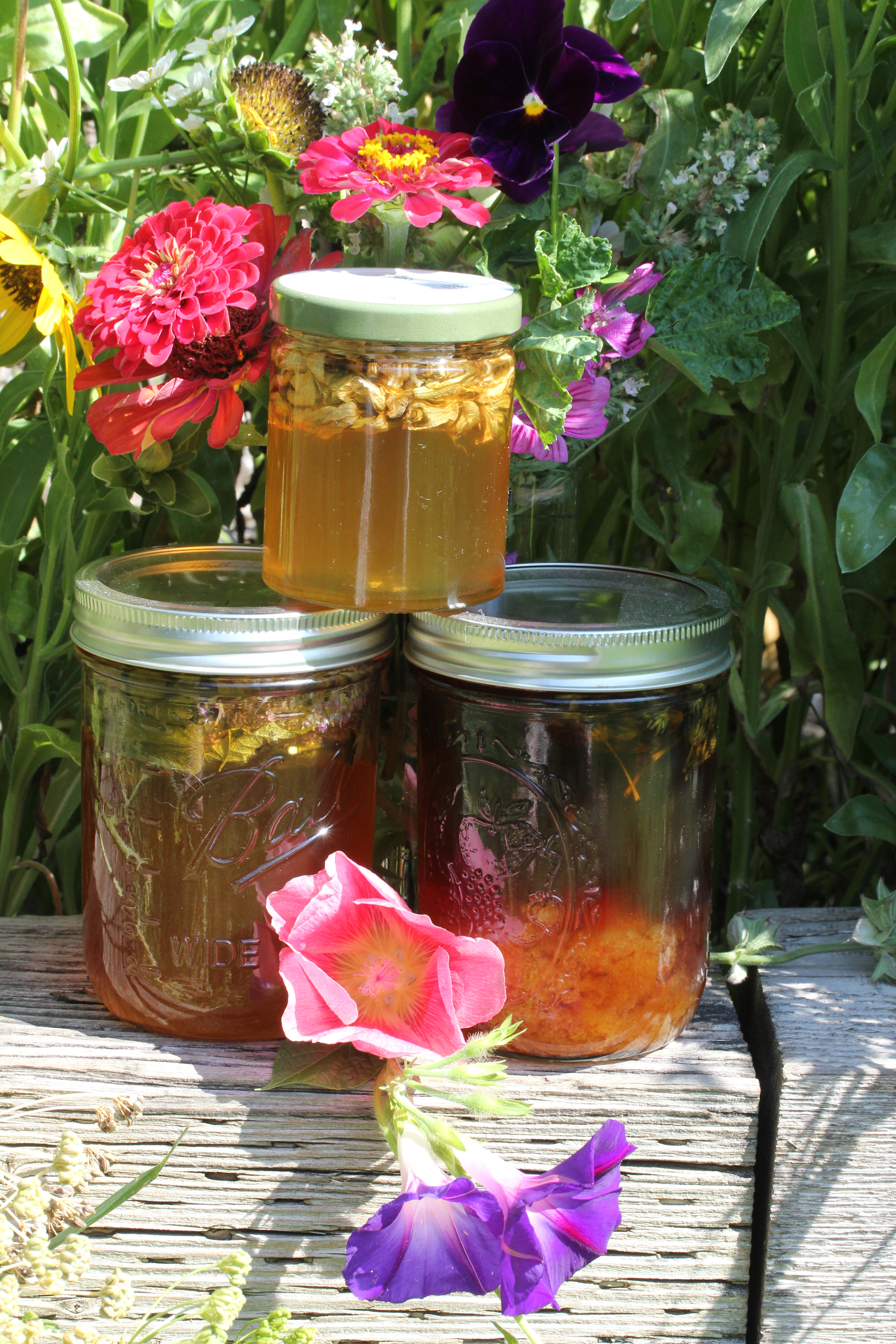
Herbal honeys are simple to make. Just fill 1/4 of a canning with fresh flowers (lavender, elder, lilac, clary sage, anise hyssop, lemon balm, calendula,rose) and let infuse for a month before straining.
Dandelion Fritters
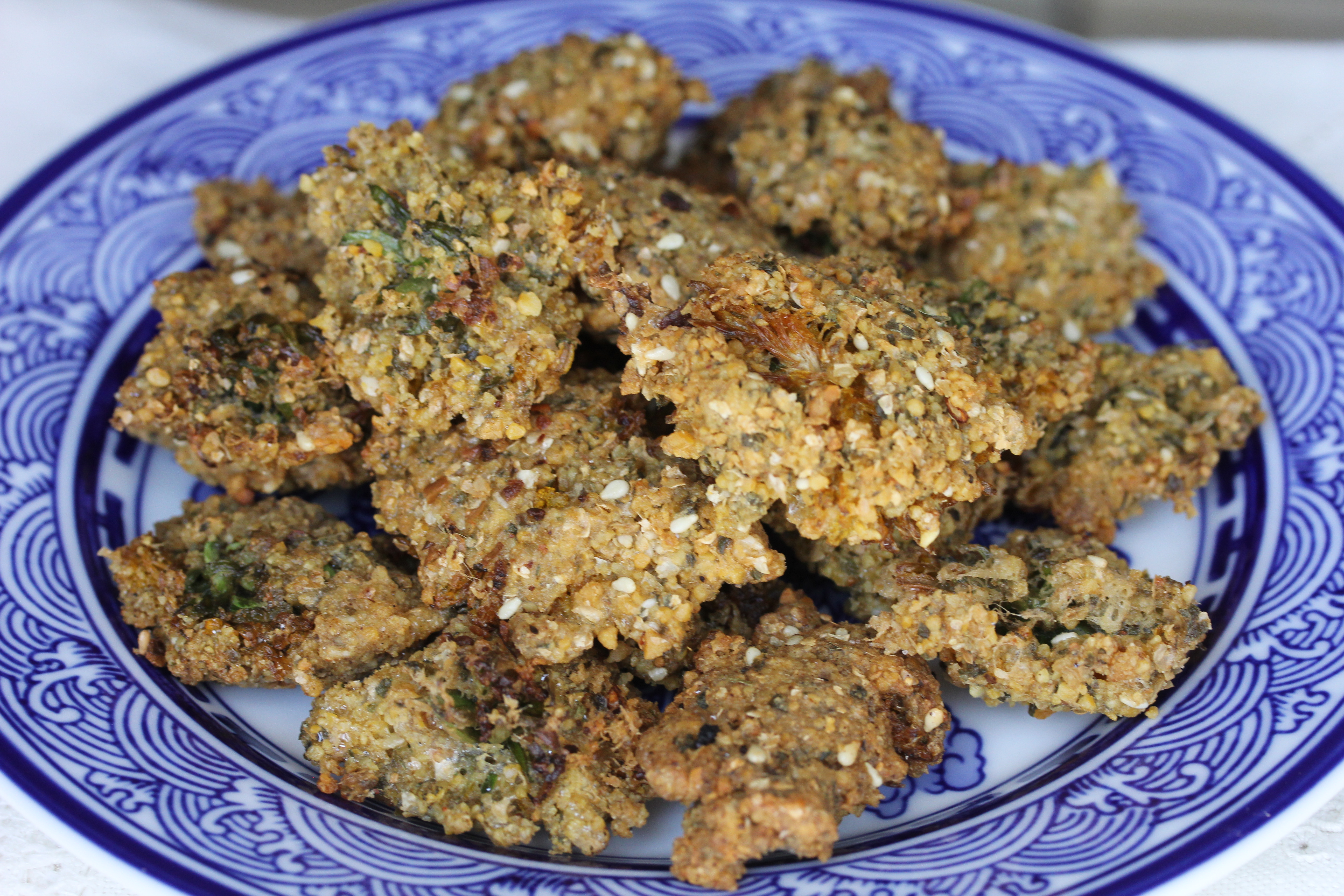
Dandelion Fritters are a tasty treat that requires some time and supervision, but it is so worth it.
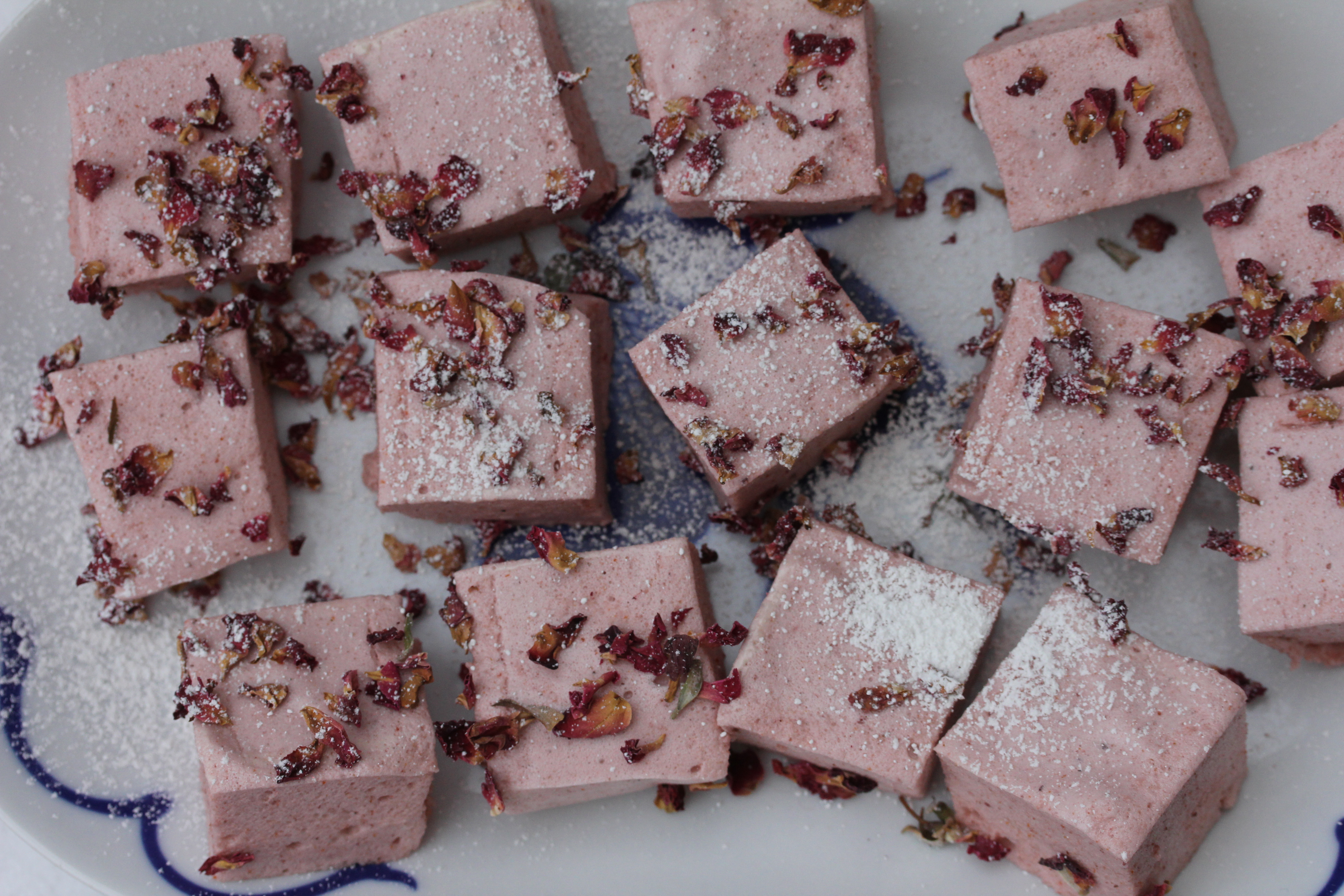
Incense bundles and Rose Marshmallows
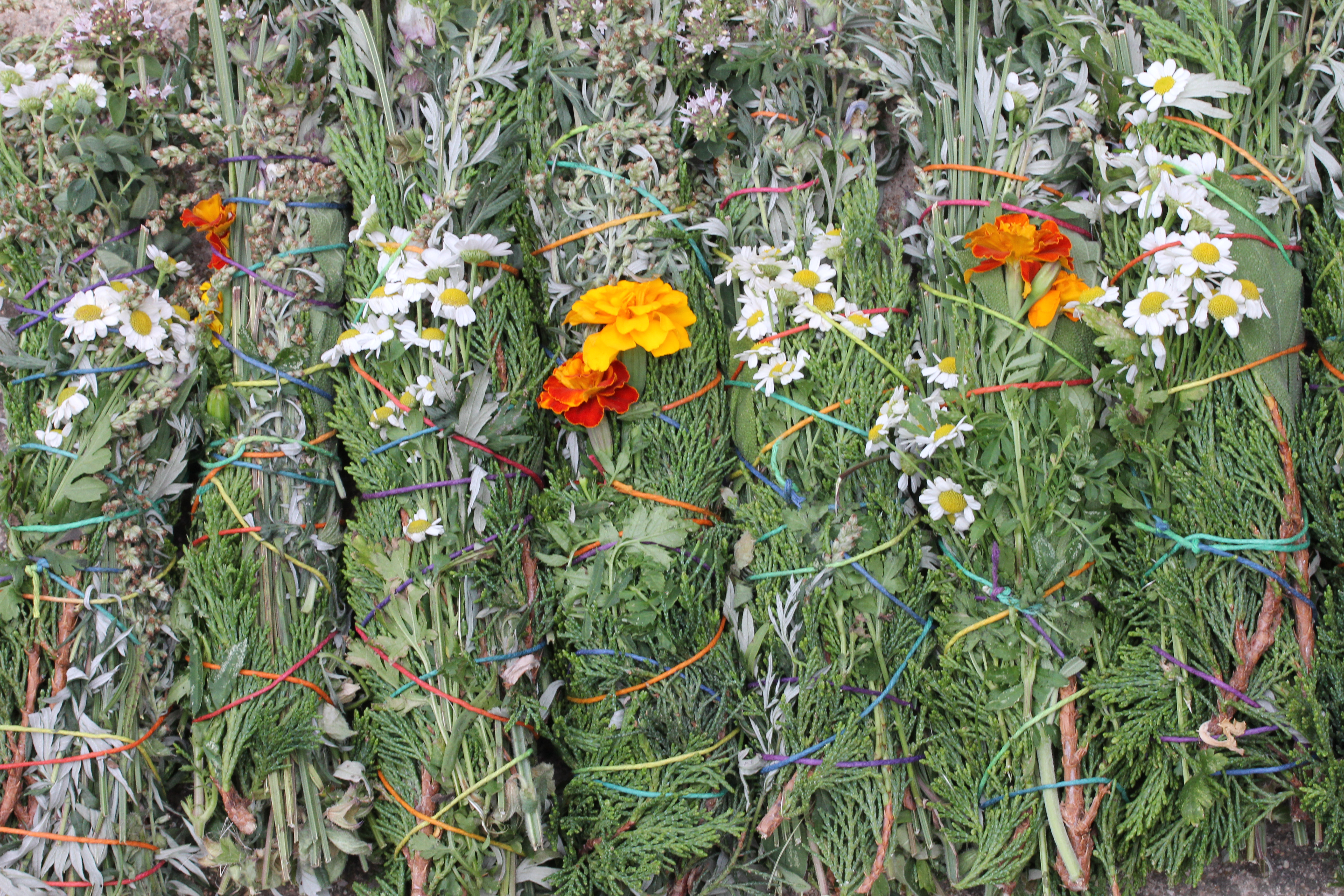
Making incense bundles is a family project at our house. I dry them in the dehydrator to preserve their colors. They make great housewarming gifts.
If you have a budding entrepreneur in your home thesemarshmallows make great treat to sell at a pop up kid’s market or fair.
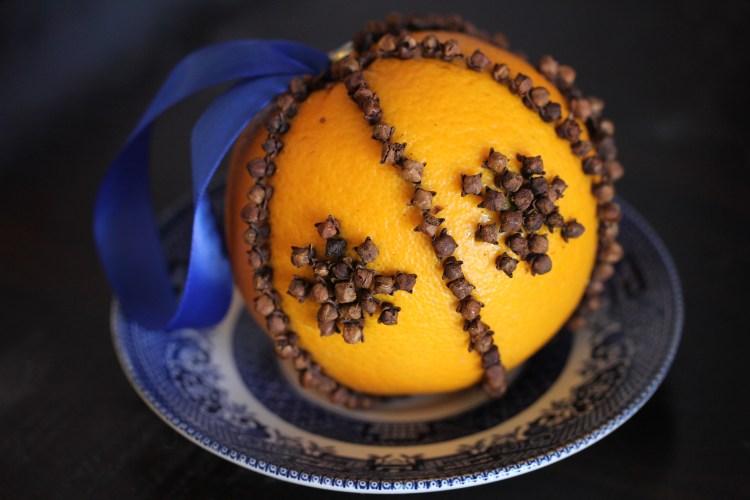
Spices can be used to make all kinds of winter holiday projects. This link will take you to a post with lots of ideas celebrate the season
Chamomile popsicles can be make anytime of year using fresh or dried flowers.
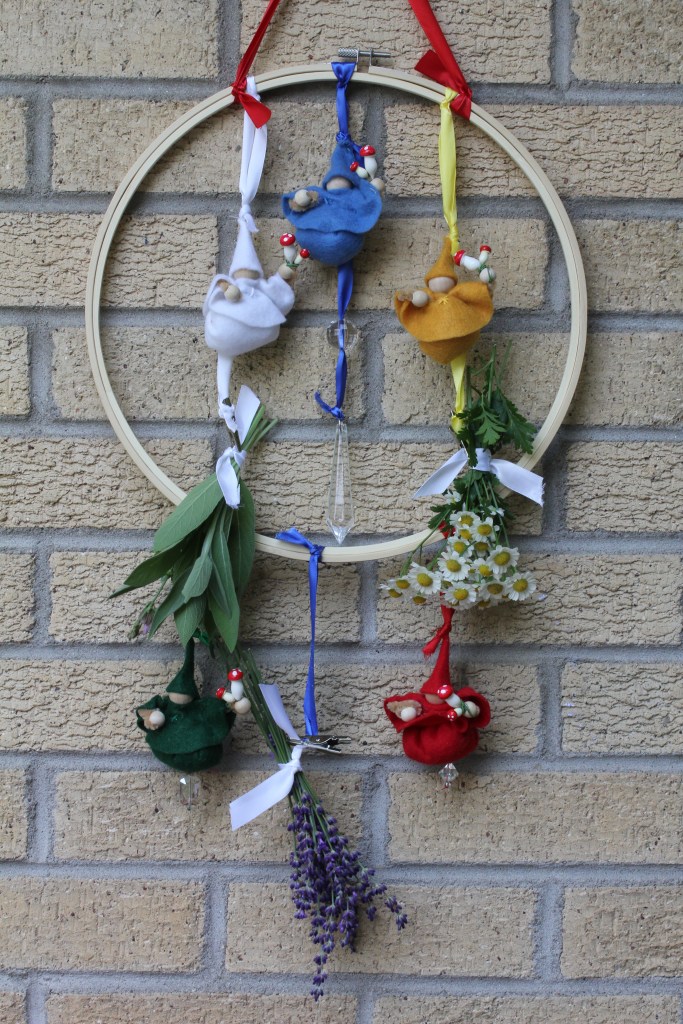
Herb gnome mobile
Oh how I wish I had thought of this sweetmobile when my kids were small. It brings back so many happy memories of that time in their life.
Click thispost for other craft ideas that are more experiencial/sensory based for very young children.
If you want dozens of ideas for things likes books, curriculum, activities, websites etc. to support your elementary age child to learn about herbal medicine click
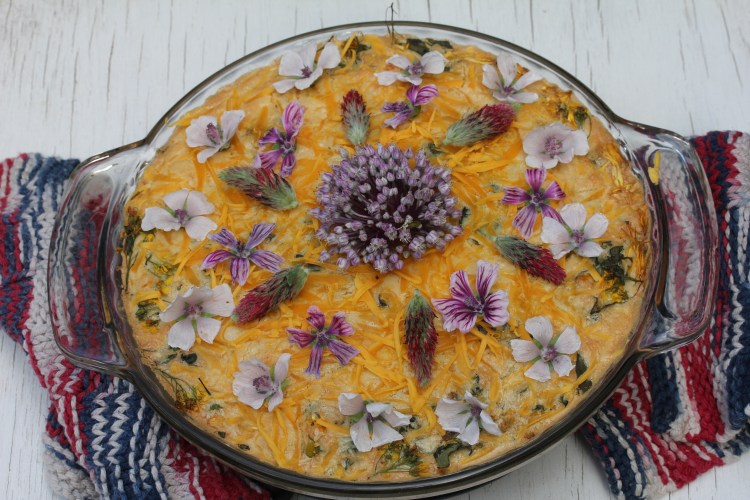
July is the month of flowers in my garden. Overnight everything bursts into bloom. Salads, ice water, and desserts all become the perfect culinary canvas upon which to apply a bit of color. This flower filled and topped meal features several edible varieties. It is best to use fresh blossoms rather than dried.
Gluten and Dairy free Crustless Quiche/Frittata
Preheat oven to 350.
Bring to boil 2 cups of water and cook 1 cup of dried lentils. Cook for 20 minutes until just done. Meanwhile pick your flowers and….
To a blender add…..
1/2 cup of whole cashews (not roasted or salted)
6 eggs
1/2 cup of milk/substitute
Blend until smooth and there are no visible cashew pieces.
Finely chop 1/2 an onion and saute until soft
Grease a glass pie pan.
Thinly slice 1-2 red potatoes. Lay then out closely on the bottom of the pan one layer deep. Add the onions.
Scatter 1/2 cup of the cooked brown lentils on top.
Sprinkle a selection of small edible flowers (arugula, mustard, chive, sage, chopped dandelion, calendula petals, chamomile, or violets.
Top that with 2 TBSp finely chopped basil or nasturtium leaves.
Salt and pepper to taste.
Grate 1/2 cup of American cheese or substitute on top. I like the Follow Your Heart brand as it melts well and does not contain soy or corn.
Bake at 350 for 30 minutes, until the top is set and does not wobble.
Once cooled, as a garnish arrange larger/whole edible flowers arranged in a mandala or “picture” (nasturtiums, malva, red clover, marshmallow, leek, pansies, etc.) for decoration. Eat immediately . Serves four people.
Matricaria chamomilla
There is a hint of sweetness in this pie. It comes from chamomile that just almost smells of apple.
Matricaria reduces inflammation, clearing toxins and heat. Chamomile has a history of being used as a sedative for insomnia and anxiety. It is very well suited for restless, nervous and hyperactive kids. A weak tea has been used to support cranky, teething, and colicky babies or reduce nightmares and bedwetting in children. A study shows that this herb acts on the smooth muscle of the intestines and uterus, helping them relax and stop spasming/cramping. The flowers of this plant have been used to treat ulcers, gas, heartburn, morning sickness, IBS, indigestion, diarrhea and other digestive upsets. Herbalists use this plant for menstrual pain and migraines related to PMS/hormone shifts. It is thought that chamomile can reduce the pain of rheumatism, sciatica, and lumbago. Inhaling the stream from an infusion clears phlegm and may reduce the symptoms of asthma.
Contraindications-avoid large doses in pregnancy. Do not use if you are allergic to ragweed or other members of the daisy/aster family.
Have you ever used chamomile in a meal? What was the recipe?












 Blackbird's Backyard Pharmacy