“Anti-viral”Pastilles (BURDOCK)

pastille mandala

Do you know what an herbal pastille is? I did not and only discovered them recently. Like electuaries (herbal honeys) they are a great way to get herbs into older children. You can use many bases like dried fruit, nut butters . For a throat lozenge honey is used to make them. I have been been giving some serious consideration to pastilles as way to get my family to take something on a daily basis instead of using tinctures or teas. They disguise the bitter or strong taste of many plants. The key to a good pastille is the texture. They should be hard and not too gooey so that they slowly dissolve in the mouth. Herbs that are woody roots or bark may not grind to a fine powder. My first attempt was tasty, a bit like licorice candy, but the texture needed some refining. My kids were more willing to eat them than to consume the tinctures and cough syrups that I often offer them.

Anti-Viral” Pastilles

For my pastilles I chose the following herbs for their anti-viral, anti-inflammatory, or immune boosting qualities. They have become part of our family’s daily preventative care routine.

4 teaspoons each of finely powdered dried rose hips, dandelion root, burdock root, and lemon grass.

2 teaspoons each of finely powdered oregon grape root, licorice root, yellow dock root, echinacea angustifolia root

Measure out 8 TBSP of a finely powdered mucilaginous herb like marshmallow root, slippery elm bark, or dried malva leaves. This holds the pastille together and helps it dry for storage.

Place herbs in a bowl. Start adding in honey 1 tsp at a time. Eventually you want a thick paste/dough that you can roll into marble sized balls. If balls seem a bit gooey you can roll in powdered sugar or extra powder. I used granulated sugar.

Once you have a batch of pastilles place them on a cookie sheet lined with parchment paper. Let them harden in a clean, dry , warm place for a few days.

Wrap individually in wax paper and store in a sealed tin. If placed in a cool dark place they will last a year.
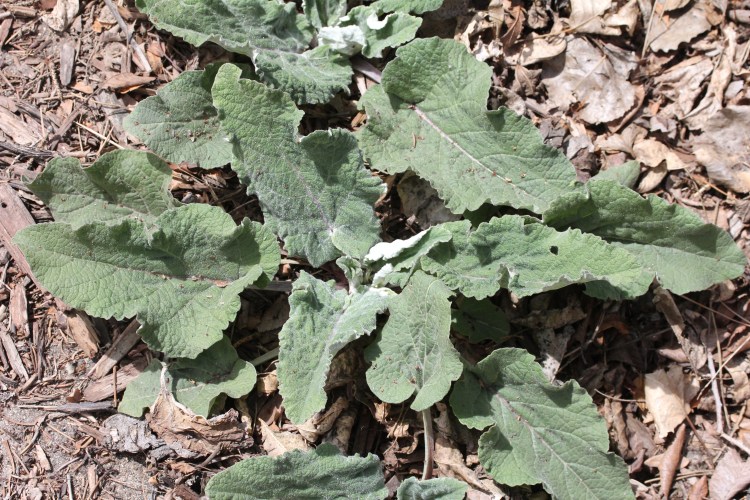
Arctium lappa

Burdock can be a very invasive biennial plant in the Aster/thistle family. The seeds easily stick to things and travel far. It is difficult to remove once established, a challenge to dig up and harvest. The fresh root can be found in natural grocery stores as it is commonly eaten as a “vegetable”. The dried processed root is sold in many places, this may be the way to go if you would like to use this plant as medicine. Arctium is a biennial plant found along roads, in your lawn, in meadows, and in wastelands. The taproot is very long, fleshy, brown on the outside with a paler inner core. During the first year this plant produces a rosette at the base of very large, fuzzy, heart shaped leaves with a ruffled edge. Leaves are darker green on top and paler on the underside with prominent veins. For the second year the plant sends up a very tall, tough, ,grooved reddish stem with wooly branches. The leaves tend to be smaller and more spade shaped. The purple/red thistle like flowers are loose corymbose clusters that appear in later summer. The seed pods dry out, turn brown, forming a ball/burr with lots of “hooks” that easily stick to clothing.

Burdock is a powerful blood cleanser/purifier in many detox formulas to release waste products out of the cells. Historically it has been used to treat cancer, acne, eczema, abscesses, arthritis, inflamed prostate, gout, stomach ailments, ulcers, sluggish appetite, constipation, sore throat, flu, cough, fevers, diabetes, low blood sugar, water retention, childhood infections, uterine prolapse, cystitis, low energy, scabies, hair loss and yeast infections. This herb supports the liver as a bitter tonic and helps the release of bile.

The fresh leaves can be used as a compress/poultice/wash on poison ivy or oak, dandruff, bruises, swollen lymph nodes, dry skin, rheumatism, sprains, tumors, hair loss, and oily skin.

Parts used: fresh leaves in summer only. For the root harvest in the first fall or 2nd spring. The root can be used cooked in soup or raw in salads like a carrot. Some consider the seeds (tinctured) to be very powerful medicine that will act fast and go deep into the body

Taste: Bitter

Contraindications:use gently over the long term. Do not use in pregnancy. Avoid on open sores and during the late stage of viral/bacterial infections.

Energetics:cool,dry

Element: Water

If you have ever made your own pastilles from herbs I would love to hear what plants you choose and what you thought of them. Be well-L
Lilac Simple Syrup and Scones

Happy May Day

My girls needed something really special to happen this week. So we had a surprise tea party complete with vintage gloves and fancy hats. I have been reading a lot about lilacs being used in things like jelly. I decided to experiment by making two things.

Lilac scones (gluten free)

Preheat oven to 350

1/2 cup of white rice flour

1/2 cup of brown rice flour

1/4 cup of sorghum flour

2/3 cup of cane sugar

1/8 cup of tapioca starch

1/8 cup of potato starch

1 tsp of baking power

1/2 tsp of baking soda

1/2 tsp of salt

1 tsp of xanthum gum

Add and mix all of the dry ingredients in a large bowl.

Cut 8 TBSP of cold hard butter into small pieces. Place into the bowl with the dry ingredients. With your hands mix/rub in until you have something the consistency of corn meal.

Add in 1 cup of cold milk. Mix until just moist.

Cover a cookie sheet with parchment paper.

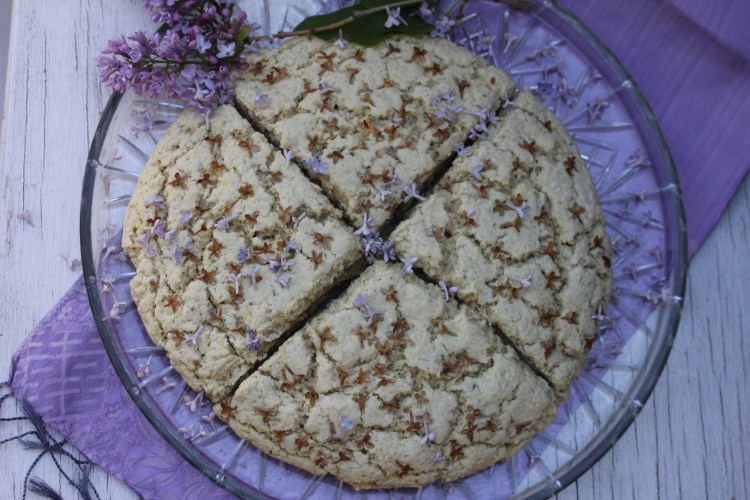
Place dough on sheet and using wet fingers pat the dough into a circle that is about 1 1/2 inches high. Cut the scone into 4 wedges.

Take about 1/2 cup of lilac flowers (all green parts removed) and press them lightly into the top of the scone. You don’t need to use them all and you can set some aside to sprinkle on top when the scone is cooked and cooled. As the scone cooks the lilacs will turn light brown but still leave their flavor and lovely shapes behind.

Bake 20-25 minutes, until it just starts to brown. Let cool before serving.

Lilac Simple Syrup

1 cup of granulated sugar

1 cup of water

1 cup of fresh lilac flowers (no leaves, stems, green parts if you can manage). These may make it bitter. Place the flowers in a separate bowl of medium size

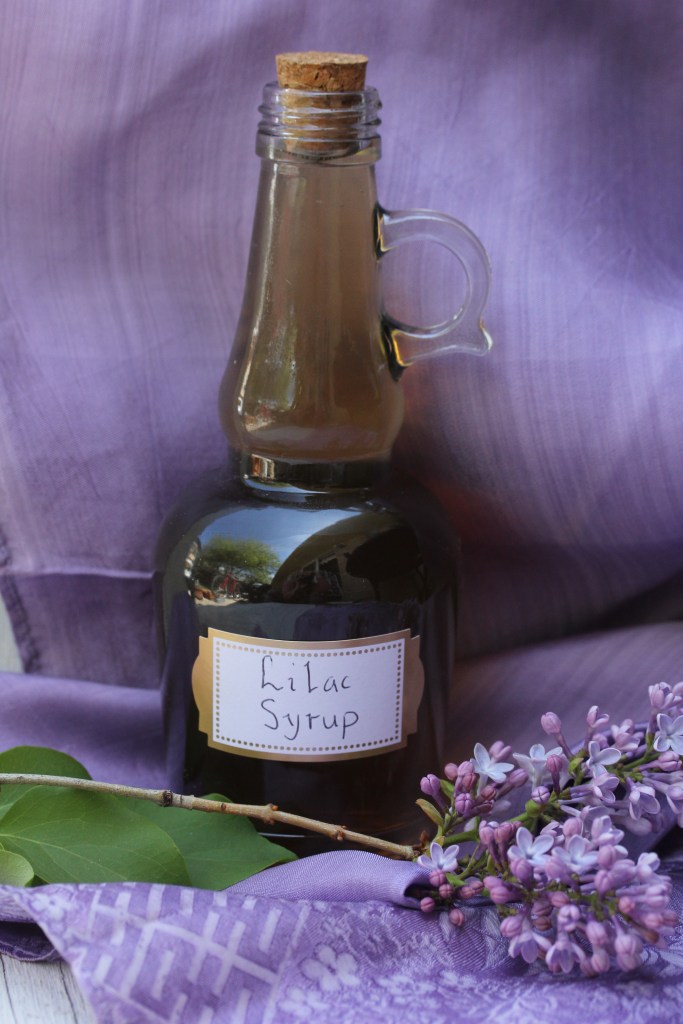
Heat the water to a boil on the stove. Turn off and remove from heat. Stir in sugar until it the liquid is clear and you see no sugar granules. Pour this liquid over the lilac flowers. Cover the bowl with a plate and let steep for 3 hours, not a minute more. Strain out the flowers and bottle. The syrup will store in the refrigerator for several months.

Simple syrup can be poured over ice cream or fruit. I added it to hibiscus tea and the girls swore it tasted like fruit punch.

Not only are lilacs edible they have healing properties as well. Historically lilacs have been used to lower fever, treat malaria and relieve gas or constipation. Externally they tighten tissues and increase circulation. This makes the flower useful as a facial toner or to assist in the healing of any skin issue.

I would love to know if you have ever cooked with lilacs or if you try my recipes.

Dandelion Fritters and Capers

battered blossoms

Dandelion fritters are a treat that you must try! Kids really like them because the are crispy on the outside and soft on the inside like a french fry. Fried blossoms are probably the easiest thing that you can make with dandelions. Children can help gather, make the batter and dip the flowers but an adult should drop the fritters into the oil as it does splatter. I have tried to make the batter out of many ingredients. Once I got really lazy and used boxed falafel mix. It was so yummy I have not been able to try homemade again. Soy sauce, pesto, salsa, peanut sauce, mayonnaise, chutney, plum sauce, ketchup, are all possible choices for a dip. Since I had a Middle Eastern theme I went with yogurt that had a bit of dill and diced cucumber mixed in it.

Dandelion Fritters

20-30 dandelion blossoms with stems removed. You and your kids want to gather these as soon as they fully open. Pick the biggest and newest ones you can find. Batter and fry immediately before they wilt or go to seed.

Crack 1-2 eggs into a bowl and mix well. Add 1/4 cup of milk or its substitute. Set aside.

Make your dry “batter.” You can use fine bread crumbs, flour, Panko/tempera mix, falafel mix, dosa mix etc. Salt, pepper, spices to taste. This is where you get to be creative. Spread it out in a shallow even layer on a large plate.

I like to use a wok and coconut oil for the frying bit. You want to melt the oil and then have the heat on a lower setting.

Once your oil is ready-Choose a single blossom, dip it quickly in the egg mixture and then quickly into the the dry batter.

Drop it into the oil (remember it will be hot and splatter). Let if fry for 30 seconds. If it looks golden brown lift it out with tongs and flip it over. Remove when the other side is done. Let drain and cool on a paper towel. I don’t like to have more than 3 blossoms in the wok at a time.

Once cool you can enjoy eating them. These are best consumed right away.

homemade capers anyone?

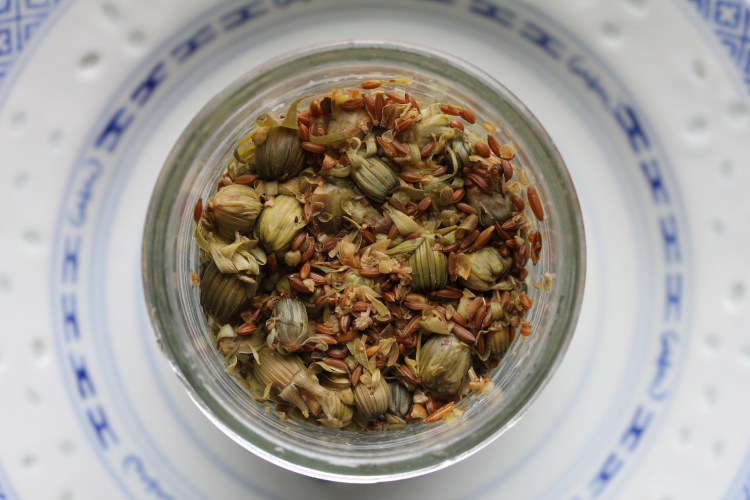
Dandelion Bud Capers

You can make your own capers out of many things. Radish pods or immature nasturtium seeds just to name two.

Gather 1 and 1/2 cups of dandelion buds. Chose the ones that are hard and rounder. Very close to the base of the stem. These may be challenging to see and find. Easier to feel and they won’t have stems yet. Watch out for bees and other insects. My kids loved going on this “treasure hunt”.

Boil 2/3 cups of apple cider vinegar and 1/3 cup of water. Remove from heat and add in 1 tsp of salt and 1 TBSP of honey.

Top your jar of buds with a pinch of caraway, ground coriander, and dried oregano or thyme. You could add chopped garlic or onions if you wish.

Pour in the vinegar until the jar is full. Let cool and seal the jar with its lid. Refrigerate. After one week you can pour out the liquid or not. Consume within one month and keep refrigerated.

These are really good added to tuna salad, a stir fry with sun dried tomatoes and kalamata olives, or mixed with other ingredients and served on toasted artisan bread.

I wont’ repeat what I have written in other posts. If you want to know the healing qualities and uses of dandelion flowers check out the post I wrote on April 12th when the kids and I made lovely dandelion blossom jellies.

What recipes have you tried lately that use dandelion?

Gluten Free Basil Cookies

tea time

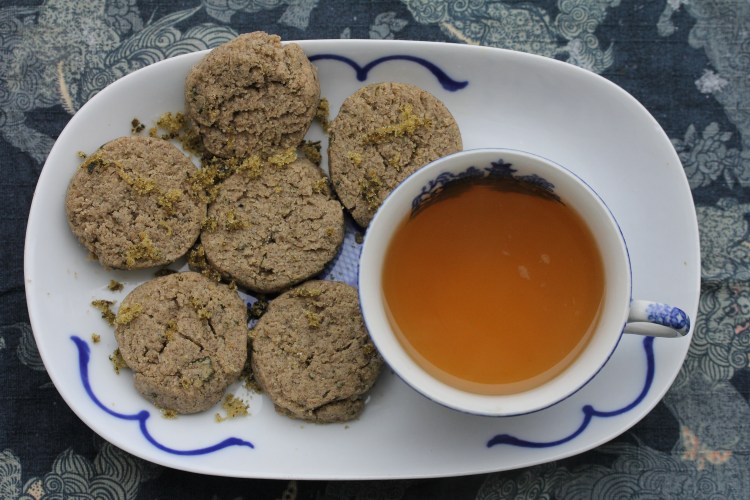
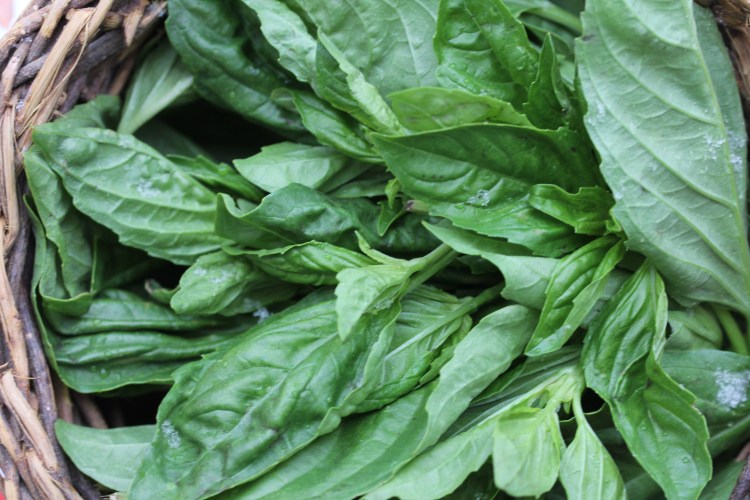
There is no end to the herbs that can be added to baked goods. Lavender, thyme, calendula, chamomile-just to name a few. I even saw a gorgeous emerald green cake made from nettles. We had two feet of unexpected snow and I needed a project to keep the girls busy. I remembered seeing a very appealing recipe in one of my books for cookies made with basil. I happened to have some fresh basil from the grocery store and some leftover basil sugar. Basil sugar is made by mixing granulated sugar and a small amount of fresh basil in a food processor. It stores for months and is really good on ice cream . You can also make violet or lavender sugar the same way. The following recipe is so kid friendly that they can do most of it themselves until the cookies need to go into the oven. I also think the surprise factor is fun as we typically associate basil with things like pasta or pizza. We liked this treat quickly dipped in hot milk or tea on a cold day.

Basil Cookies

Preheat oven to 350

In a large bowl cream together 7 TBSP of butter or butter substitute and 1/4 cup of sugar.

Add in 1 cup of buckwheat flour, 1/4 cup of ground almond flour, and 2 large TBSP of finely chopped basil. Start to knead with your hands.

Add in 1 TBSP of milk or dairy substitute.

Knead and role the dough into a two inch cylinder.

Cut the role into slices 1cm thick.

Place slices onto a baking sheet lined with parchment..

Bake for 15-20 minutes until lightly golden.

Remove from cookie sheet, sprinkle with the basil sugar and cool on a wire rack.

Ocimum basilicum

Basil is a member of the mint family. Therefore it has a strong pleasant smell, a square stem, and small irregular flowers that grow on a spike. A favorite with bumble and native bees. When used in food it is thought to stimulate digestion, warm the body, increase circulation, clear damp and calm the stomach. In healing it might be used to treat bronchitis, colds, fevers, stress, diabetes, nausea, gas, headaches, diarrhea, pain, and breastfeeding issues.

Externally it can be used to treat acne, insect bites, eye strain, and fungal infections.

Have you ever made a sweet baked good using an unusual ingredient?

Adiveh Seasoning (Saffron)

Speaking of roses

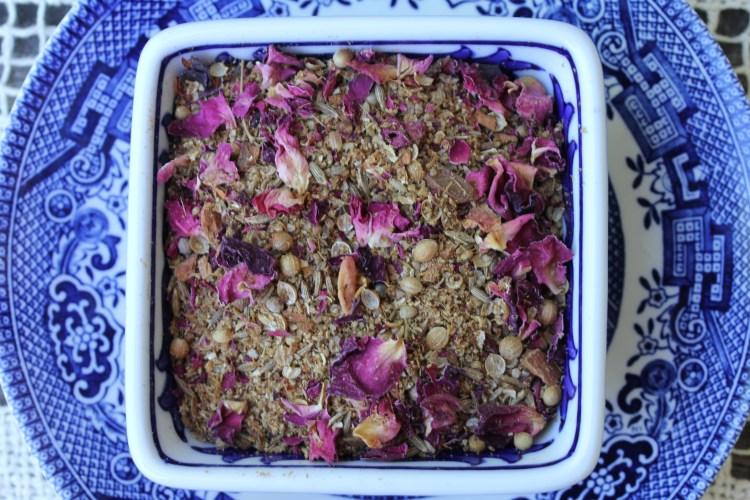
I bet very few of you have even used dried flowers as a spice option in cooking. This looks more like potpourri than something to be sprinkled on food. It is almost too pretty to eat. Perfect for dressing up grains or a protein if you feel like have been eating the same things for weeks or miss a favorite ethnic restaurant. Think recipes for loafs, braises, pilafs, and stews.

Adiveh Seasoning

Break up and grind one cinnamon stick in a coffee/spice grinder into coarse pieces.

To a large cast iron pan add the cinnamon pieces plus 6 tablespoon of whole coriander seeds and 4 tablespoon of whole cumin seeds. Toast on medium heat until the seeds begin to pop. Remove from heat and set aside to cool for five minutes.

In a mortar and pestle coarsely grind all the spices together add in 1/2 cup of whole organic/food grade dried rose petals. Stir in about 30-40 strands of saffron. Crush lightly.

Store in a jar and use within 6 months.

Rose petals are thought to be anti-microbial, an organ tonic, cooling, calming, reduce inflammation and treat all kind of digestive issues.

Coriander seed may help to digest food. They might reduce bloating, gas, cramps, bad breath, constipation and poor assimilation.

Cumin seeds have been used to help with diarrhea, indigestion , nausea, and colic.

Cinnamon is thought to dry any cold or damp in the digestive system. It has been used to prevent food poisoning and infection from numerous bacteria. It may increases overall circulation to all the organs and tissues thereby improving function.

Saffron. Is the stigmas from the Crocus sativus plant. This plant is cultivated in many countries and can be easily grown in US gardens. In the early spring an onion like corm sends up several thin, long leaves from its base. The grey/green leaves have hairy edges. and are surrounded by a tubular sheath. In late summer each corm produces 3-4 funnel shaped lilac flowers. It has long red style, 3 yellow stamens and 3 yellow stigmas.

Saffron thought to be a nervous system tonic. While not common in the West it does show up in Ayurvedic medicine. It helps to calm and regulate many things in the body. Historically small doses have been used for cough, fever, asthma, shock, childhood illnesses, stomach cramps, depression, insomnia, to increase circulation and as a sedative. Externally it can be used to treat pain and bruises. Saffron is the worlds most expensive spice and a common yellow dye.

Flavor:bitter, sweet, pungent

Energetics:dry

Element:fire

Contraindications/Caution-can be poisonous and cause kidney damage. A powerful narcotic that can be lethal. Avoid all but the smallest doses. Do not use long term or during pregnancy. Use only under the supervision of an expert practitioner.

What experiments in the kitchen are you trying to deal with boredom, use ingredients, and dress up meals.